 Sarasota Window
 Custom Decks Built for University Park, Sarasota
University Park homeowners live with a climate that's genuinely tough on outdoor structures. Sarasota County sits in a zone where a deck has to shrug off intense year-round UV, sudden wind-driven rain, hurricane-force gusts during storm season, and a steady dose of salt-laden air blowing in from the Gulf. A deck built without those factors in mind doesn't fail dramatically on day one — it fails slowly, with loosening fasteners, cupped boards, rusted hardware, and a structure that feels less solid every year. Building it right the first time, for this specific climate and this specific neighborhood, is the difference between a deck that ages gracefully and one that becomes a recurring repair bill.
This page covers what a correctly built custom deck looks like for University Park properties, how we approach the job from first visit to final walkthrough, and why local experience matters more than most homeowners realize when it comes to outdoor construction in Sarasota County.
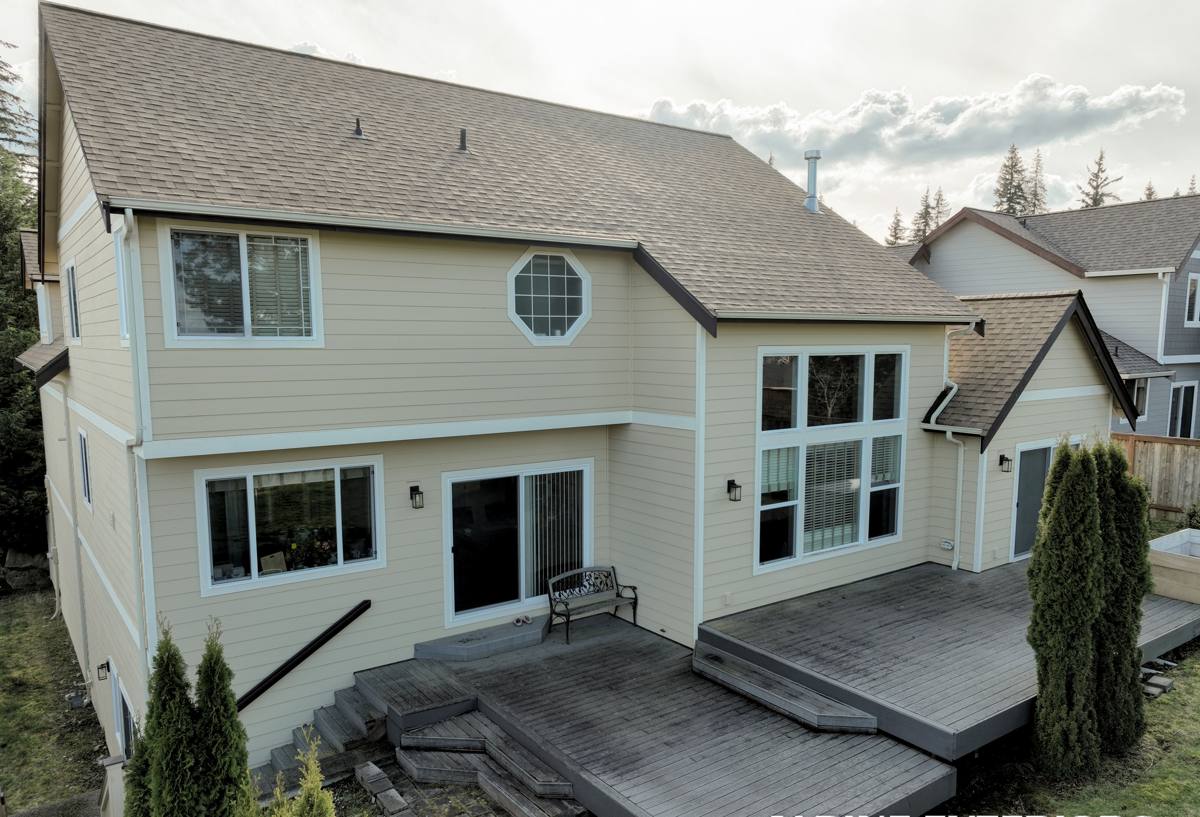
What University Park's Climate Demands From a Deck
Sun and UV Exposure
Florida sun is relentless on exposed surfaces. Composite decking without proper UV-stabilized capping will fade and chalk faster than manufacturers' marketing suggests, and even quality wood needs a real maintenance schedule to hold its finish. Fasteners, connectors, and any exposed metal hardware take UV and heat cycling too — cheap coated screws can degrade well before the decking itself shows wear.
Wind-Driven Rain and Moisture
Sarasota's storms don't just drop rain straight down — wind pushes it sideways and up under boards, into ledger connections, and around post bases. A deck design that doesn't account for drainage and airflow underneath traps moisture, which leads to rot in wood framing, mold growth, and premature corrosion in metal fasteners and brackets.
Hurricane-Force Wind Loads
University Park is inland enough to avoid direct coastal surge, but it's still squarely within a region that sees tropical storm and hurricane-force winds. A deck attached to the house needs a ledger connection and structural framing rated for real uplift and lateral loads, not just a code-minimum build meant for a milder climate. Railings, in particular, take a lot of wind force and need to be anchored properly, not just screwed to the rim joist.
Salt Air Corrosion
Even away from the immediate waterfront, Sarasota County's air carries enough salt content to accelerate corrosion on standard fasteners, joist hangers, and post anchors over a period of years. This is one of the most common causes of premature deck failure we see on inspection: the decking looks fine, but the hidden hardware holding it together has been quietly rusting.
What a Correctly Built Deck Includes
A deck that's actually built for this environment, not just built to pass inspection, includes a specific set of choices most homeowners never see once the decking is down:
- Stainless steel or hot-dip galvanized hardware rated for coastal/salt-air exposure — not standard zinc-coated fasteners that corrode within a few seasons
- Properly flashed ledger board connection to the house, with a moisture barrier that keeps wind-driven rain from working its way behind the flashing
- Engineered footings and post spacing sized for Florida wind load requirements, not just minimum code span tables
- Joist hangers and structural connectors rated for the same corrosion resistance as the rest of the hardware package
- Adequate ventilation beneath the deck so moisture doesn't pool and framing can dry out between rain events
- Railings anchored into structural framing, not just fastened to decking boards, so they hold up under real wind loads and everyday use
- Decking material matched to actual use and budget — not a one-size-fits-all recommendation
Choosing a Decking Material for This Climate
There's no single "best" decking material — there's a best fit for how the deck will be used, how much upkeep the homeowner wants to do, and what budget makes sense. Here's an honest comparison of the main options for Sarasota County conditions:
| Material | Sun/UV Performance | Moisture & Salt Air | Maintenance | Typical Lifespan |
|---|---|---|---|---|
| Pressure-treated wood | Fades and can gray without refinishing | Needs sealing to resist rot and corrosion around fasteners | Annual cleaning/resealing recommended | 10-15 years with upkeep |
| Composite decking | Good with UV-stabilized capstock; lower grades chalk faster | Resists rot well; hardware still needs to be corrosion-rated | Periodic washing, no sealing/staining | 20-25+ years |
| Tropical hardwoods | Naturally dense, but still needs oil treatment to hold color | Naturally rot-resistant; still needs quality fasteners | Regular oiling to prevent graying and checking | 20-30 years with upkeep |
| PVC decking | Excellent UV resistance, holds color well | Fully moisture-resistant, unaffected by salt air | Very low, occasional washing | 25-30+ years |
We don't push one product on every homeowner. We'll walk through how you actually plan to use the deck — daily family space, occasional entertaining, poolside — and give you a straight answer on what fits the budget and the maintenance level you're comfortable with.
Our Process for University Park Deck Projects
1. On-Site Consultation
We walk the property, look at how the space connects to the house, discuss how you want to use the deck, and take initial measurements. This is also when we talk through material options and give you an honest range based on size, structure, and finish level.
2. Design and Structural Planning
We design the layout, footing plan, and framing to meet Sarasota County wind load and building code requirements — not the bare minimum, but what actually holds up long-term in this climate. Any permitting needs are handled as part of this step.
3. Permitting
Deck construction in Sarasota County typically requires a permit, and inspections are part of the process for structural work like footings and framing. We handle the permit application and coordinate inspections so you're not left navigating that process alone.
4. Construction
Footings and framing go in first, built to the engineered spec, followed by decking, railings, and any stairs or additional features. We use the corrosion-rated hardware package throughout, not just on the visible connections.
5. Final Walkthrough
Before we consider the job done, we walk the finished deck with you, check railings and stair connections, and make sure everything matches what was planned and quoted.
Cost Factors for a Custom Deck
Every deck is priced around a handful of variables, and understanding them helps you see where your budget actually goes:
| Factor | How It Affects Cost |
|---|---|
| Size and shape | Larger and multi-level decks require more framing, footings, and labor |
| Decking material | Ranges from pressure-treated wood on the lower end to PVC and premium composites on the higher end |
| Height above grade | Elevated decks need more substantial framing, railings, and often stairs |
| Hardware package | Corrosion-rated stainless or hot-dip galvanized hardware costs more upfront but avoids early failures |
| Site access and prep | Sloped yards, existing landscaping, or limited access can add labor time |
| Railings and features | Custom railing styles, built-in seating, or lighting add to the base cost |
We give straightforward, itemized estimates so you can see exactly what you're paying for — not a single number with no breakdown.
Why Local Experience Matters
A deck contractor who already works in and around Sarasota County understands the wind load requirements, the permitting process with the local building department, and the way this specific climate ages materials over time. That's different from a crew that mostly builds decks in a drier or more moderate climate and treats Florida as just another job site.
Working in University Park and the surrounding Sarasota area also means we've seen what happens to decks built without the right hardware, flashing, or framing — the callbacks, the rot, the rusted-out connectors a few years in. We build to avoid those problems from the start rather than fixing them later.
Deck Maintenance in Sarasota's Climate
Even a well-built deck needs some ongoing attention in this environment. A short, realistic maintenance checklist:
- Rinse off salt residue and debris periodically, especially after storms
- Inspect visible hardware and railing connections once or twice a year for early signs of corrosion
- Check that under-deck ventilation hasn't been blocked by landscaping or stored items
- Reseal or refinish wood decking on the schedule recommended for the specific product used
- Address any soft or discolored boards promptly rather than waiting for them to worsen
None of this is complicated, but skipping it is how a well-built deck ends up needing early repairs.
Let's Talk About Your Deck
If you're planning a new deck or replacing one that hasn't held up to Sarasota's weather, we're happy to take a look and give you a straightforward, no-pressure estimate. Use the form below to get started.