 Sarasota Window
 Rosemary District Windows Take a Different Kind of Beating
Rosemary District sits close enough to the water that its homes deal with a combination of stresses most inland neighborhoods never see. Salt-laden air moves in off the bay and settles on glass, frames, and hardware. The Florida sun is overhead nearly year-round, breaking down seals and fading interior finishes through ordinary glass. And when a tropical system tracks through the Gulf, wind-driven rain gets pushed sideways into any gap a window wasn't built to handle. Add in the periodic threat of hurricane-force wind loads, and it's clear why a window that performs fine in a milder climate can fail here — sometimes slowly, through fogging and corrosion, and sometimes all at once during a storm.
Custom windows matter in this neighborhood because Rosemary District isn't made up of identical, cookie-cutter openings. It's a mix of older Florida homes with non-standard window sizes and newer construction built to current wind-load codes. Getting the right product installed the right way is what actually protects the house — not just picking a window off a shelf.
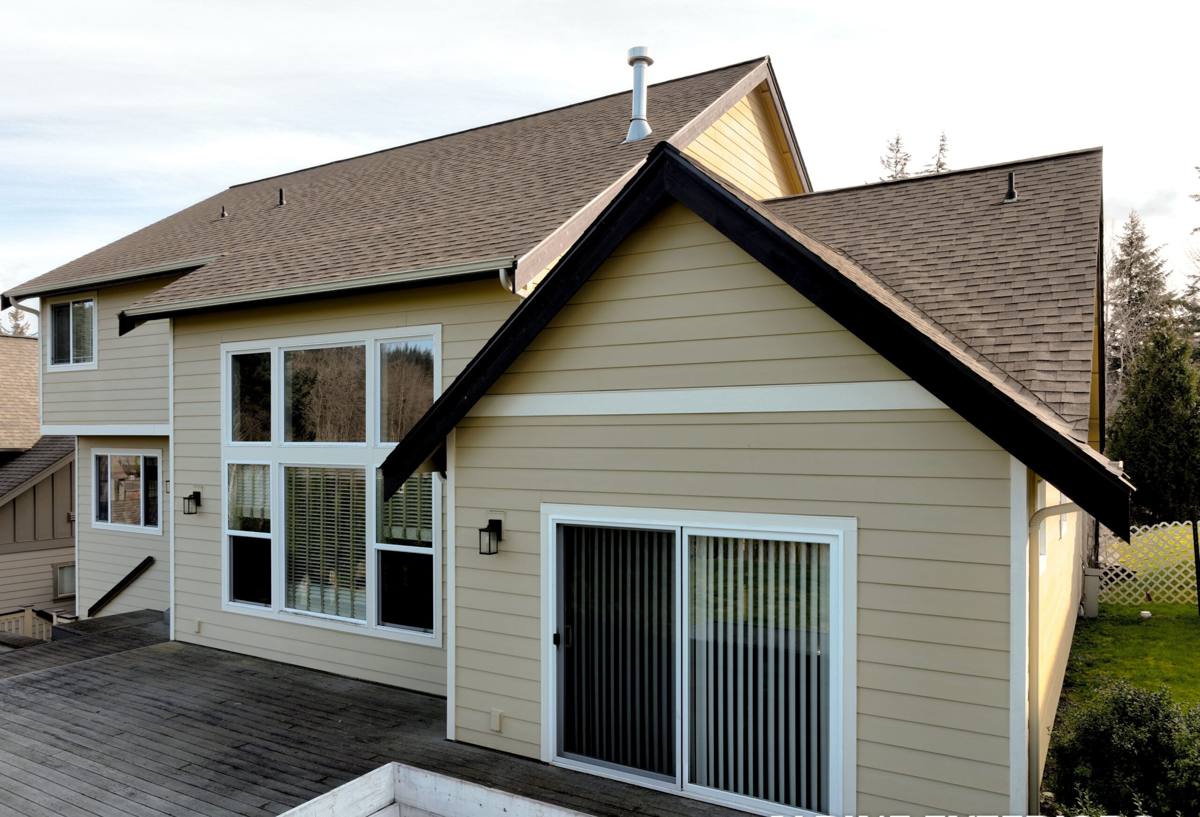
What a Correct Custom Window Job Actually Involves
Impact-Rated Glass Isn't Optional Here
For a coastal Sarasota County property, we treat impact-rated laminated glass as the baseline for most replacement and custom window projects, not an upsell. Laminated glass holds together under wind-borne debris impact instead of shattering inward, which keeps the building envelope intact during a storm — a house that stays sealed is far less likely to suffer catastrophic roof or interior damage than one that loses a window and pressurizes from the inside.
The Rough Opening Matters as Much as the Window
A high-quality window installed into a poorly prepared opening will still leak, rack, or fail early. Custom work means measuring and, when needed, reframing the opening so the unit sits square and true — especially important in older homes where original openings have shifted slightly over the decades.
Flashing, Sealants, and Fasteners Do the Quiet Work
Most window failures we get called out to inspect aren't glass failures — they're flashing and sealant failures. Water finds the path of least resistance, and if the flashing isn't lapped correctly or the sealant has degraded under UV exposure, water gets behind the frame and into the wall assembly long before anyone notices a problem. Correct installation uses proper flashing sequencing, fasteners rated for coastal exposure, and sealants chosen for UV and movement tolerance, not just whatever caulk is on the truck.
Rosemary District's Mix of Home Styles Changes the Approach
Older Florida Homes and Bungalows
Many of the older homes in and around this part of Sarasota were built with window openings that don't match today's standard manufacturer sizes. That's exactly what "custom" means in practice — building or ordering windows to fit the existing opening rather than forcing the opening to fit a stock size, which usually means cutting into original framing, siding, or trim in ways that create new leak points down the road.
Newer Construction and Infill
Newer builds and renovated properties in the neighborhood are typically already framed to current Florida Building Code wind-load standards, so the work there is more about matching performance specs and appearance — getting the right glass package, frame profile, and finish for a home that may already be built to a higher baseline.
Either way, a one-size-fits-all approach doesn't work well in this neighborhood. We measure every opening individually and spec the window to the house, not the other way around.
Frame Material and Glass: What Actually Holds Up Near the Bay
Frame material choice matters more here than it would a hundred miles inland. Salt air accelerates corrosion on hardware and can pit or cloud lower-grade finishes over time. Here's how the common options generally compare for a Sarasota-area coastal home:
| Frame Material | Salt Air & Corrosion Resistance | Maintenance | Notes |
|---|---|---|---|
| Vinyl | Good — won't corrode or rust | Low; occasional cleaning | Can soften or discolor under sustained heavy UV if lower-grade; quality varies widely by manufacturer |
| Aluminum | Fair to good with proper coating; bare or poorly finished aluminum corrodes faster near the water | Moderate; finish needs to be maintained | Strong and slim sightlines, common in coastal impact windows |
| Fiberglass | Very good — stable and corrosion-resistant | Low | Higher upfront cost, holds paint and finishes well over time |
| Wood (unclad) | Poor without diligent upkeep | High; regular sealing and repainting required | We generally steer coastal clients away from unclad wood exteriors given the maintenance burden this climate creates |
On the glass side, the meaningful choice for this area is impact-rated laminated glass versus non-impact glass paired with separate storm protection. Laminated glass stays in the frame during an impact event and provides UV and noise reduction as a byproduct of its construction. Non-impact glass costs less up front but depends entirely on shutters or panels being deployed before a storm — which only works if someone is home and prepared in time.
What Drives Cost on a Custom Window Project
There's no flat per-window price that applies to every home, because the factors that drive cost vary from house to house. This is what actually moves the number up or down:
| Factor | Why It Matters |
|---|---|
| Opening size and shape | Non-standard or oversized openings require custom fabrication instead of stock sizing |
| Glass package | Impact-rated laminated glass, tinting, and low-E coatings each add to the unit cost |
| Frame material | Vinyl, aluminum, and fiberglass sit at different price points, as noted above |
| Condition of the existing opening | Rot, shifted framing, or old non-code flashing means added prep work before the new window goes in |
| Number of openings done at once | Bundling multiple windows into one project generally reduces per-unit labor cost |
Our Process, Start to Finish
- On-site assessment. We look at every opening individually — sizing, condition of the existing frame, and how the home is oriented to sun and prevailing wind and rain.
- Product and glass recommendation. We walk through frame material and glass package options based on the home's specific exposure, not a default package we push on everyone.
- Written estimate. Clear scope, product specs, and timeline before anything is ordered.
- Permitting. We handle the permit application with the appropriate local building authority before work begins.
- Removal and opening prep. Old units come out, and any framing, flashing, or rot issues get addressed before the new window goes in — not covered up behind it.
- Installation. Windows are set square, shimmed, flashed, and sealed to manufacturer and code specifications.
- Final inspection. The job gets signed off by the local building department, and we walk the homeowner through care and warranty details.
Permitting in Sarasota County Isn't a Formality
Window replacement and custom window installation in Sarasota County requires a permit and inspection because these openings are structural and life-safety components of the home, not cosmetic upgrades. Permitted work confirms the installation meets current Florida Building Code wind-load and impact requirements for this region — the same code baseline that insurance carriers and future buyers will look for when a home changes hands. Skipping the permit step might save time up front, but it leaves the homeowner with unpermitted work that can complicate insurance claims, closing inspections, or a future sale.
Why a Crew That Already Works This Neighborhood Matters
Every established neighborhood has its own quirks — how the local permitting office likes submittals formatted, what kinds of framing conditions turn up in homes of a certain age, how a particular street's tree canopy or building orientation affects wind and water exposure. A crew that's already worked jobs in and around Rosemary District has seen those patterns before, which means fewer surprises mid-project and a smoother path through inspection. It also means we're a known, reachable local business if a question comes up after the job is done, not a crew that worked the neighborhood once and moved on.
Mistakes We Commonly See — and Fix
- Windows caulked into a gap instead of properly flashed, which traps water against the framing instead of directing it out
- Non-impact glass installed in a high-exposure opening with no real storm protection plan
- Stock-size units forced into openings that were never square to begin with, leaving windows that won't latch cleanly or seal evenly
- Fasteners or hardware that corrode quickly because they weren't rated for coastal salt exposure
- Work completed without a permit or final inspection, leaving no official record that the installation meets code
What to Expect After Installation
Correctly installed custom windows are low-maintenance, but "low" doesn't mean "none" in this climate. Rinse frames and glass periodically to clear off salt residue, especially after long dry spells followed by wind off the water. Check weep holes and drainage tracks so they don't get clogged with debris, and keep an eye on exterior sealant lines over the years — sealant is a wear item that eventually needs attention regardless of how well the original job was done. A quick annual look at hardware, locks, and screens keeps small issues from turning into bigger ones.
If you're weighing custom window options for a Rosemary District property, we're glad to walk the openings with you and give an honest, no-pressure estimate — just fill out the form below to get started.