 Sarasota Window
 Why Downtown Sarasota Puts Extra Stress on a Deck
Downtown Sarasota sits close enough to the bay that salt air is a daily fact of life, not an occasional nuisance. Add in nearly year-round intense UV, wind-driven rain during the summer storm season, and the periodic threat of hurricane-force wind gusts, and you have one of the more demanding environments in Florida to build an outdoor structure that's meant to last. A deck built the same way you'd build one in Ohio or even inland Florida will not hold up the same way here.
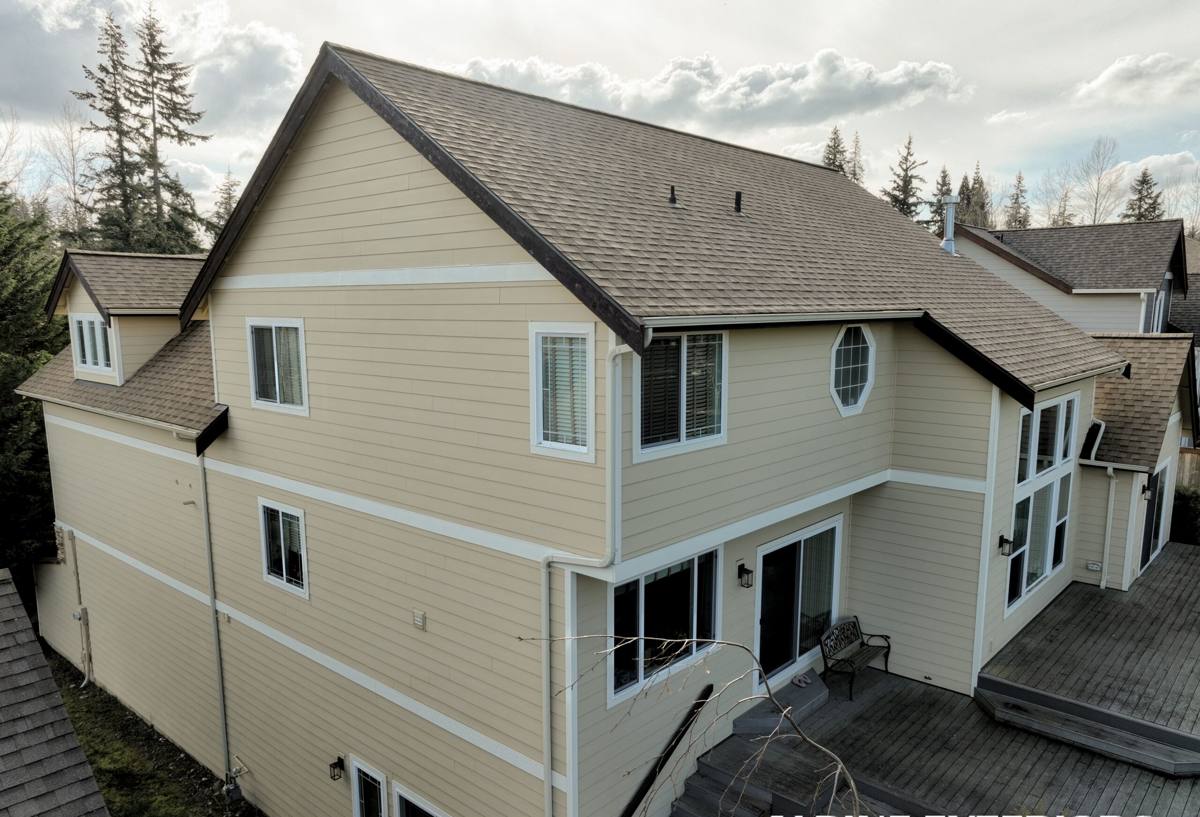
Downtown Sarasota's housing stock is a mix of older bungalow-style homes, mid-century construction, and newer infill builds, many of them on smaller lots with tight setbacks and mature landscaping to work around. That mix matters because the right deck approach for a raised bungalow with a crawlspace is different from the right approach for a slab-on-grade newer build. A contractor who understands both, and understands what the coastal exposure downtown does to fasteners, framing, and decking material over time, is going to give you a structure that actually earns its keep for a couple of decades instead of five or six years.
What a Correctly Built Deck Actually Requires Here
Fasteners and Hardware
This is the single most common shortcut we see fail early in salt-air environments. Standard galvanized fasteners and generic hardware corrode faster near the coast, and once a fastener starts to rust, it weakens the connection long before the wood or composite decking around it shows any wear. A deck built for Downtown Sarasota should use stainless steel or coated fasteners rated for coastal or salt-treated lumber exposure, and structural connectors (joist hangers, post bases, hurricane ties) rated for the same conditions.
Footings and Ledger Attachment
Footing depth and sizing need to account for local soil conditions and, in many downtown lots, a water table that sits closer to the surface than homeowners expect. Ledger board attachment to the house is where a huge share of deck failures nationally originate, usually from inadequate flashing or lag placement that lets water into the rim joist. In a climate with this much wind-driven rain, proper ledger flashing isn't optional — it's the difference between a deck that lasts and slow hidden rot behind the siding.
Wind-Rated Framing and Railing
Florida's building code sets minimum wind load requirements that vary by exposure category, and a deck attached to a home near open water or with few wind breaks around it typically falls into a more demanding exposure category than one tucked into a sheltered inland lot. That affects post spacing, beam sizing, joist hangers, and how the railing system is anchored. Railings in particular take direct wind load and need connections engineered for uplift and lateral force, not just screwed-on aesthetics.
Choosing a Decking Material That Can Take the Climate
There's no single "best" decking material for every home, but there is a best material for your budget, your maintenance appetite, and how close you are to the water. Here's an honest comparison of the main options we install and discuss with Downtown Sarasota homeowners.
| Material | Salt Air & Humidity Behavior | UV/Fade Resistance | Maintenance | Typical Lifespan |
|---|---|---|---|---|
| Pressure-treated pine | Prone to cupping and fastener corrosion if not properly sealed and maintained | Fades and grays without regular finish | Annual sealing/staining recommended | 10-15 years with upkeep |
| Tropical hardwood (ipe and similar) | Naturally dense and rot-resistant, handles salt exposure well | Grays over time unless oiled periodically | Periodic oiling for color retention; otherwise low | 25+ years |
| Capped composite | Excellent — does not absorb moisture or corrode | Good with modern cap-stock formulations | Occasional washing, no sealing or staining | 25-30 years |
| PVC decking | Excellent — fully synthetic, unaffected by salt or humidity | Very good, though can run hotter underfoot in direct sun | Lowest of all options | 25-30+ years |
Wood decking still has a place, especially on historic-style homes where the look matters as much as the performance. But for most Downtown Sarasota homeowners, especially those within a few blocks of the bay, we steer the conversation toward capped composite or PVC because they simply shed the salt-air and UV problems that wood fights every year. Our standard isn't that wood "doesn't work" here — it's that it demands a maintenance commitment a lot of homeowners underestimate when they're comparing sticker prices.
Permits, Codes, and Wind Load in Sarasota County
Nearly every new deck or significant deck replacement in Sarasota County and the City of Sarasota requires a building permit, and for good reason — the Florida Building Code's wind provisions exist because this region genuinely sees hurricane-force wind events. Depending on the deck's size, height, and attachment method, plans may need to be sealed by an engineer, particularly for elevated decks or those supporting hot tubs or heavy furniture loads.
Inspections typically happen at the footing stage and again at final completion, and skipping this process isn't just a legal risk — it's how you end up with a deck that an insurance adjuster or a future home inspector flags during a sale. A contractor who pulls permits as a matter of course, rather than treating them as optional, is protecting your investment as much as satisfying a bureaucratic requirement.
Our Process for Downtown Sarasota Deck Projects
- Site assessment. We look at your home's structure, existing ledger connection point (if any), lot drainage, sun exposure, and proximity to the water to understand the real conditions the deck will face.
- Design and material selection. We walk through decking material, railing style, and layout options honestly, including trade-offs on maintenance and upfront cost, so you're choosing based on what fits your home and budget, not a sales pitch.
- Permitting. We prepare and submit the required permit documentation, coordinating with the relevant local building department and an engineer when the design calls for one.
- Construction. Footings, framing, decking, and railing are installed in sequence, with attention to flashing, fastener selection, and connections built for this area's wind exposure.
- Inspection and walkthrough. We schedule required inspections and walk the finished deck with you, covering how to care for the specific material you chose.
Maintaining a Deck in Downtown Sarasota's Salt Air and Sun
Even a well-built deck needs some ongoing attention in this climate. Here's what we recommend homeowners keep on their radar:
- Rinse the deck surface periodically to clear salt residue and organic debris, especially after storms.
- Inspect fastener heads and structural connectors annually for early signs of corrosion.
- Check ledger flashing and the area where the deck meets the house for any signs of moisture intrusion.
- For wood decking, reapply sealer or oil on the schedule recommended for the specific species.
- Trim back landscaping that traps moisture against the deck's understructure.
- After any named storm, walk the deck and railing for loose connections before resuming normal use.
Why Local Experience Matters for a Downtown Sarasota Build
A deck contractor who works Downtown Sarasota regularly already knows how the permitting process runs locally, what inspectors tend to flag, and how tight urban lots and mature landscaping change a build plan compared to a wide-open suburban lot. That familiarity shortens the timeline and avoids the back-and-forth delays that come from a crew learning the local process on your project.
It also means understanding condo and HOA considerations that are common in and around downtown, where shared walls, association approval requirements, or limited staging space can all affect how a project is scheduled and executed. None of that is exotic knowledge, but it's the kind of thing that only comes from doing this work in this specific area, not from a general contracting background applied to a new zip code.
Cost Factors for a Downtown Sarasota Deck
| Factor | How It Affects the Project |
|---|---|
| Decking material | Pressure-treated lumber costs less upfront; composite and PVC cost more initially but reduce long-term maintenance spending |
| Elevation and footing depth | Raised decks or homes with a higher water table may require deeper or additional footings |
| Engineering requirements | Larger or elevated decks often need sealed engineered plans, adding to permitting cost and timeline |
| Railing style and material | Wind-rated railing systems and higher-end materials (aluminum, cable, glass) cost more than standard wood balusters |
| Site access | Tight downtown lots with limited equipment access can affect labor time and staging |
| Fastener and hardware grade | Coastal-rated stainless and coated hardware costs more than standard galvanized but is a poor place to cut corners |
Every one of these factors is worth discussing up front rather than discovering mid-project, which is why we walk through material and design choices in plain terms before any work begins.
If you're planning a new deck or replacing an aging one in Downtown Sarasota, we're happy to take a look and give you a straightforward, no-pressure estimate. Use the form below to get started.