 Sarasota Window
 Why Bradenton Decks Wear Out Faster Than Decks Inland
A deck in Bradenton lives a harder life than the same deck built a hundred miles inland. The Gulf Coast sun is intense almost year-round, and constant UV exposure breaks down wood fibers, dries out natural oils, and fades or chalks composite decking well before its rated lifespan is up. Add in salt air drifting off the coast, which accelerates corrosion on nails, screws, brackets, and other fasteners, and you have two slow, steady forces working against the structure at all times.
Then there's the weather that shows up all at once. Wind-driven rain during summer storms and hurricane season doesn't just fall on a deck — it gets pushed sideways into end grain, gaps around the ledger board, and any joint where two boards meet. That moisture intrusion is where rot starts, usually in places you can't see until the damage is well underway. Hurricane-force winds add a third layer of stress, racking railings, loosening ledger connections, and working fasteners loose over repeated storm seasons.
None of this means a Bradenton deck is doomed — it means it needs to be built and repaired with these specific conditions in mind, not with generic techniques that work fine somewhere with a milder climate.
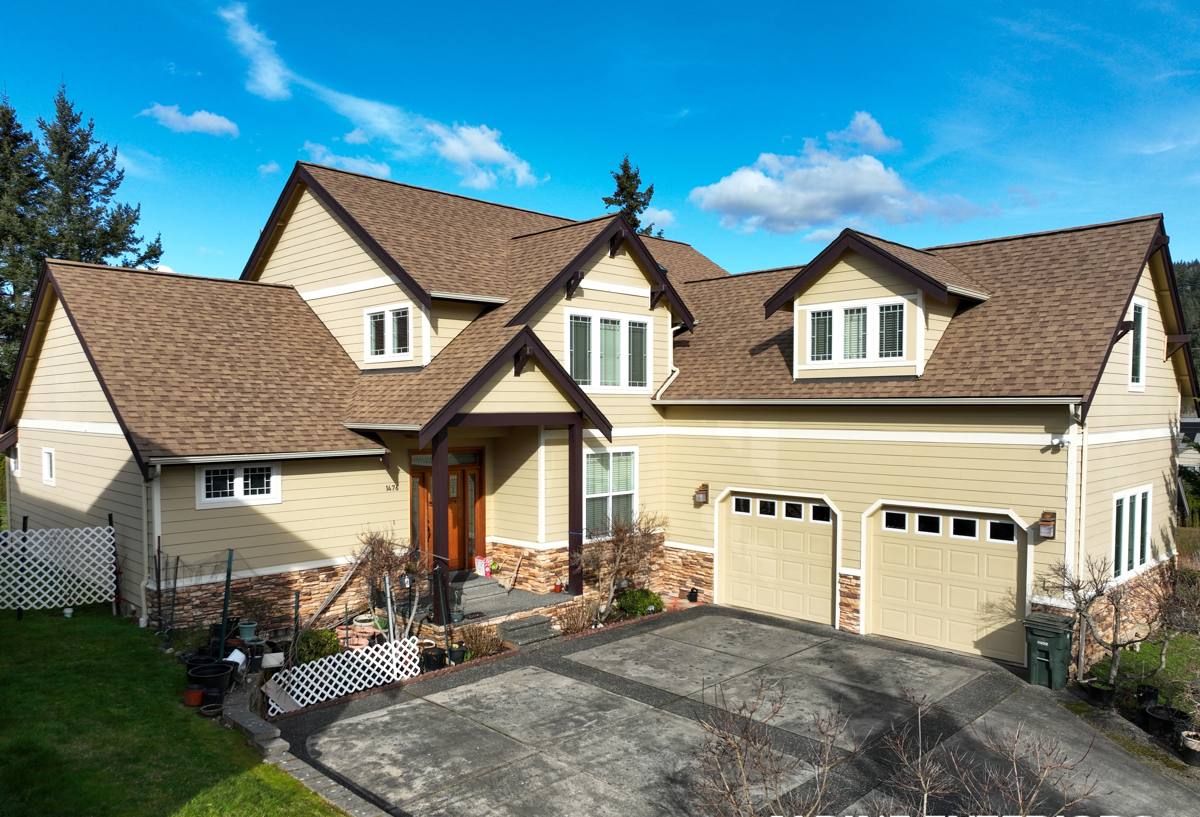
Signs Your Deck Needs Repair, Not a Full Rebuild
Most decks don't fail all at once. They give warning signs first, and catching them early is usually the difference between a repair bill and a replacement bill.
- Soft, spongy, or bouncy spots when you walk across the boards
- Rust streaks or dark staining radiating out from screw and nail heads
- A visible gap, crack, or separation where the deck meets the house (the ledger board)
- Railings or posts that wobble or flex under hand pressure
- Popped or backed-out fasteners along the decking surface
- Mold, mildew, or persistent dark discoloration in shaded or low-airflow areas
- Splintering, cracking, or checking along the length of individual boards
- Standing water that doesn't drain within a few hours after rain
Any one of these on its own might be a minor fix. Several of them together, especially near the ledger board or support posts, usually point to a structural issue that needs a proper inspection before anyone starts swapping boards.
What a Correct Deck Repair Actually Involves
A repair that only addresses what's visible on the surface tends to fail again within a season or two, especially in this climate. A repair done right starts underneath and works up.
Structural Inspection First
Before any board is replaced, the framing needs to be checked: joists, beams, posts, and footings. Surface rot is often a symptom of a moisture problem happening underneath, and replacing the top board without addressing what's feeding the moisture just resets the clock on the same failure.
Ledger Board and Flashing
The ledger board — where the deck attaches to the house — is one of the most common failure points on any deck, and it's a serious one, because it's often what's carrying the structural load. Proper flashing behind and above the ledger keeps wind-driven rain from working its way into the house rim joist. If the flashing was installed poorly or is missing, that gets corrected as part of the repair, not just patched over.
Joists and Framing
Damaged or undersized joists get sistered or replaced, and connections get checked against current code for hurricane clips and proper fastener spacing — not just whatever held the last time.
Decking Boards and Fasteners
Boards get matched for material and, where possible, fastener type — mixing incompatible metals near salt air can actually accelerate corrosion rather than solve it. Hidden fastener systems are cleaned out and reset or replaced rather than just topped with new screws.
Railings and Guard Posts
Railing height, baluster spacing, and post attachment all have to meet current code, which matters both for safety and for resale — a railing that "looks fine" but doesn't meet spacing requirements is a liability, not a cosmetic detail.
Repair Materials: Wood, Composite, and Aluminum
What a deck is built from changes how it fails and what a repair should look like. Here's how the common options generally hold up in a Sarasota-area coastal climate.
| Material | How It Typically Fails Here | Repair Approach | Ongoing Maintenance |
|---|---|---|---|
| Pressure-treated wood | Checking, splintering, and rot at fastener points and end grain; UV graying | Sistering damaged framing, board replacement, refastening with corrosion-resistant hardware | Periodic sealing/staining; higher upkeep in full sun and salt exposure |
| Composite decking | Fading or chalking from UV; swelling at cut edges if not properly capped or sealed | Board-level replacement; attention to proper edge sealing and ventilation underneath | Low — occasional cleaning, no sealing/staining |
| Aluminum/PVC railing systems | Fastener corrosion, loosening at post connections rather than material failure itself | Hardware replacement with marine-grade fasteners; post reinforcement | Low — periodic hardware inspection recommended |
None of these materials is wrong for Bradenton — each one just has a different failure pattern and a different maintenance expectation. Part of a good repair is matching the fix to the material that's already there, or having an honest conversation about whether it's worth switching materials in high-exposure areas.
Our Deck Repair Process
- On-site inspection. We check the surface, the framing underneath, the ledger connection, and the railing system — not just the boards you called about.
- Written diagnosis and repair plan. You get a clear explanation of what's actually wrong, what's driving it, and what fixing it involves, before any work starts.
- Material matching. We work with what's already on the deck where it makes sense, and flag where a material change would genuinely hold up better long-term.
- Repair execution. Structural work first, then decking, then railings and finish details, using fasteners and flashing suited to salt-air exposure.
- Walkthrough and maintenance guidance. We show you what was done and what to keep an eye on going forward, especially before and after storm season.
Permits, Codes, and Coastal Construction Standards
Florida's building code takes wind load seriously, and for good reason — decks in this part of the state need to be built and repaired to standards that account for hurricane-force gusts, not just everyday weather. Structural work like ledger reattachment, joist replacement, post repair, or a railing rebuild generally requires a permit in Manatee County; purely cosmetic work like swapping a handful of worn boards typically doesn't, but the line between the two isn't always obvious from the surface.
Hurricane straps and code-compliant connectors at key structural points aren't optional extras — they're part of what keeps a deck attached to the house and standing through a storm. Part of doing a repair correctly is knowing when a fix needs to go through permitting and inspection, and not cutting that corner just because it's slower.
What Affects the Cost of Deck Repair
There's no honest flat number for deck repair, because the range between a handful of board swaps and a full structural rebuild is huge. These are the factors that actually move the price.
| Cost Factor | Why It Matters |
|---|---|
| Extent of structural damage | Framing and ledger repairs cost more than surface board replacement, but skipping them isn't a real option if they're compromised |
| Decking material | Composite and PVC materials generally cost more per board than pressure-treated wood, but often need less repair over time |
| Deck height and accessibility | Second-story or hard-to-access decks take longer and require more setup |
| Permit and inspection requirements | Structural repairs that require permitting add time and municipal fees, but protect you legally and for resale |
| Railing scope | Full railing rebuilds cost more than hardware repair or partial baluster replacement |
| Water damage extent | Hidden rot found once boards come up can add scope that wasn't visible during the initial estimate |
A trustworthy contractor walks you through which of these apply to your specific deck before quoting a number, rather than giving a price before anyone's looked underneath the boards.
Why Hire a Crew That Already Works in Bradenton
Deck repair isn't a one-size-fits-all trade, and a crew that already works this stretch of the Gulf Coast brings things a generalist can't. They know which fastener and hardware grades actually hold up against local salt air instead of corroding within a couple of seasons. They know Manatee County's permitting process and inspection expectations, which keeps a repair from stalling out in paperwork. And after a storm, a local crew can respond faster than a company driving in from farther away, which matters when wind-driven rain has already gotten into an open structural gap.
Sarasota and Bradenton share the same climate pressures — sun, salt, humidity, and storm exposure — so a crew serving both areas has seen the same failure patterns repeatedly and knows what actually needs fixing versus what's just cosmetic.
Get an Honest Look at Your Deck
If your deck in Bradenton is showing soft spots, loose railings, or rust around the fasteners, it's worth having someone look underneath before deciding between a repair and a rebuild. We offer free, no-pressure estimates — fill out the form below and we'll take an honest look and tell you exactly what your deck needs.