 Sarasota Window
 Why Palmer Ranch Decks Wear Out Faster Than the Brochure Says
Palmer Ranch is one of the larger planned communities in south Sarasota County, and a lot of the decks out here were built to a national spec sheet rather than a Gulf Coast one. That gap shows up within a few years. Sarasota's climate is genuinely hard on outdoor wood and hardware: intense, near year-round UV breaks down finishes and dries out wood fibers from the top down, wind-driven rain during summer storms forces water sideways into joints and fastener holes that were never meant to see standing moisture, and the salt air drifting in off the Gulf and Sarasota Bay accelerates corrosion on anything metal — nails, screws, joist hangers, railing brackets. Add in the occasional hurricane-force wind event and you have a structure that's being stressed, soaked, baked, and corroded in rotation, all year, every year.
None of this means a deck is doomed. It means a deck built or repaired for this specific climate needs different details than one built for a drier, cooler region — and it needs someone checking on it before small issues become structural ones.
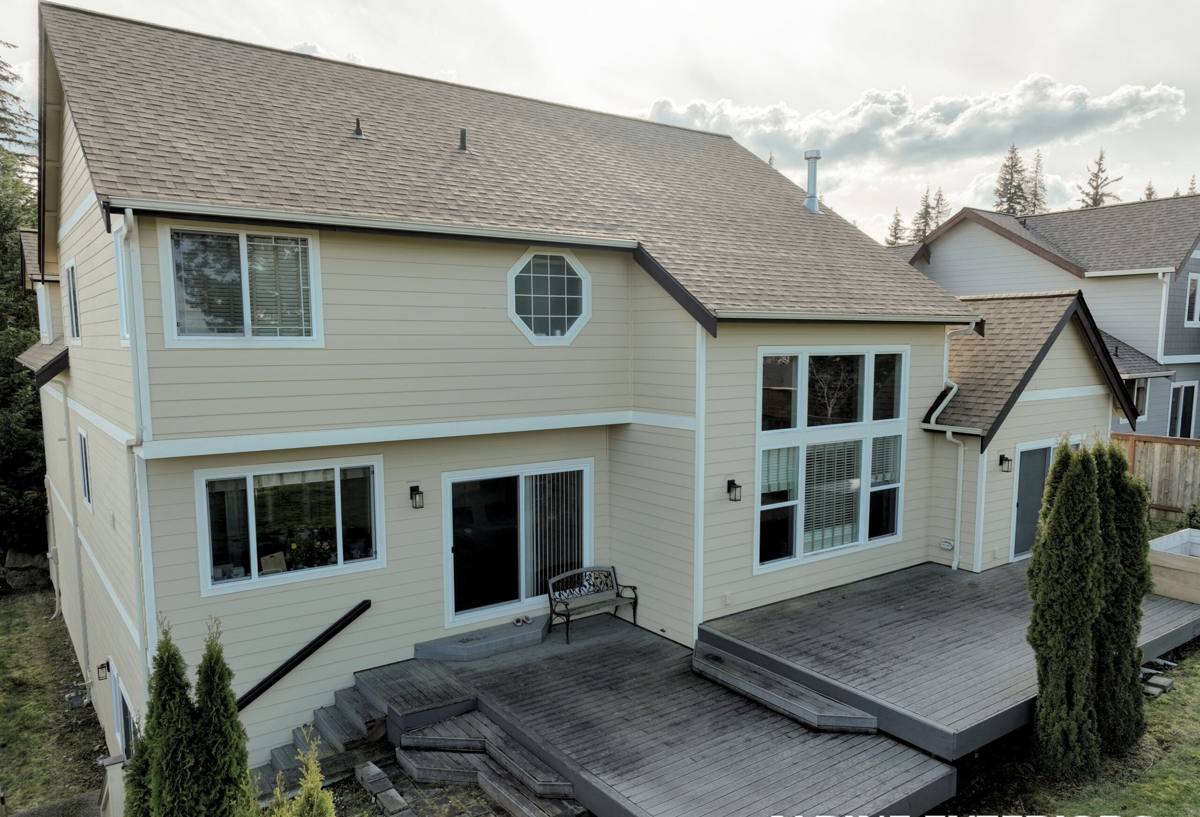
The Deck Problems We Actually See in This Neighborhood
Wood Rot and Soft Spots
The most common call we get is a soft or spongy spot in the decking boards, usually near the house, a planter, or wherever water tends to pool instead of draining. In Sarasota's humidity, once wood starts absorbing moisture it doesn't get much of a chance to fully dry out between rain events, so rot can spread faster here than it would somewhere with a real dry season.
Corroded Fasteners and Hardware
Salt-laden air corrodes standard fasteners well before the wood around them fails. We regularly find nails and screws that have rusted through or lost their grip, along with joist hangers and railing brackets that have corroded to the point of being unreliable — even on decks that otherwise look fine from a few feet away.
Ledger Board Separation
The ledger board — the piece that bolts the deck to the house — is the single most important connection on the whole structure, and it's also the one most likely to trap water against the house if it wasn't flashed correctly at construction. Wind-driven rain finds its way behind poorly flashed ledgers and rots them from the inside, which is a safety issue, not a cosmetic one.
Railing and Post Movement
Loose, wobbly, or leaning railings are usually a sign that the post base has been sitting in moisture, or that the fasteners holding it to the frame have corroded. This is one of the more urgent repairs, since a compromised railing is a fall risk.
Composite Board and Fastener Issues
Newer composite decks aren't immune either. Board-to-board fastening systems can loosen with the constant expansion and contraction cycle Florida's heat and humidity put them through, and hidden fasteners that weren't rated for coastal exposure can corrode just like their wood-deck counterparts.
Repair or Replace? How We Actually Make That Call
Homeowners often assume any soft board means the whole deck needs to come out. That's rarely true. The real question is whether the damage is contained to surface boards or has reached the structural frame — the joists, beams, posts, and ledger. We test with moisture meters and physical probing rather than guessing from appearance, because a board can look fine and still be structurally compromised underneath a good stain job.
| Factor | Usually Points to Repair | Usually Points to Replacement |
|---|---|---|
| Extent of rot | Isolated boards or a single section | Rot present in multiple framing members |
| Ledger board condition | Solid, properly flashed | Soft, separated, or improperly flashed originally |
| Age of structure | Under 10-12 years, built to code | Older, or built without permits/inspection |
| Fastener condition | Isolated corrosion, hardware still sound | Widespread corrosion in hangers and connectors |
| Footing/post condition | Stable, no movement or settling | Shifting, sinking, or undersized footings |
In most cases we find a deck that's structurally sound but has isolated damage from water intrusion at predictable weak points — the ledger, the stairs, and wherever boards meet a post or the house. That's a repair, not a rebuild, and it's usually the more cost-effective path if it's caught early enough.
What a Correct Deck Repair Actually Involves
A repair that's done right addresses the cause of the damage, not just the symptom. That distinction matters a lot in this climate, because replacing a rotted board without fixing the drainage or flashing issue that rotted it just buys you a few more years before the same spot fails again.
- Full inspection of the frame, ledger, posts, and footings before any cosmetic work starts
- Removal of all damaged wood back to solid material — not just the visibly soft section
- Correction of the underlying moisture path: flashing, drainage, or grading issue
- Replacement of corroded fasteners and connectors with coastal-rated hardware
- Structural bracing or sistering of any weakened joists or beams before decking goes back on
- Re-securing and leveling railings and posts, replacing any compromised hardware
- Sealing or finishing exposed wood to match the existing deck's protection level
Our Process for Palmer Ranch Deck Repairs
We keep the process straightforward because most homeowners just want to know their deck is safe and know what it's going to cost before we start.
- Walkthrough and inspection. We check the decking, frame, ledger, posts, and railings, and probe any soft spots to see how far the damage actually goes.
- Written scope and estimate. You get a clear explanation of what's damaged, what's causing it, and what it will take to fix — repair or replace, no upsell pressure either direction.
- Permitting, if required. Structural repairs involving framing, footings, or railings typically need a permit through Sarasota County; we handle that so you're not left guessing about compliance.
- The repair itself. Damaged material comes out, the root cause gets corrected, and new material goes in with fasteners and connectors rated for coastal exposure.
- Final check. We confirm railings are solid, boards are secure, and drainage is doing what it's supposed to before we consider the job done.
Materials: What We Use and Why
Material choice matters more here than in most parts of the country, because the same board or fastener that performs fine inland can fail early a few miles from the water.
Fasteners and Hardware
We use stainless steel or heavy-duty coated fasteners and connectors rated for coastal environments rather than standard galvanized hardware, which corrodes noticeably faster under salt air exposure. This is one of the most common shortcuts we find on older or lower-bid decks, and it's usually the first thing to fail.
Wood vs. Composite for Repairs
Whether we repair with pressure-treated wood or composite boards usually comes down to matching the existing deck and what the homeowner wants going forward. Wood is easier to spot-repair and blend into an existing deck, but it needs more consistent sealing to hold up to Florida sun and rain. Composite resists rot and fading better over time, but it comes at a higher upfront cost and isn't always practical for a small, localized repair on an otherwise wood deck. We'll walk you through the honest trade-offs for your specific situation rather than pushing one material across the board.
Keeping a Repaired Deck in Good Shape
A properly done repair should last, but a little maintenance goes a long way in this climate. After any repair, we recommend:
- Rinsing off salt residue and debris every few weeks, especially after storms
- Checking that gaps between boards stay clear so water can drain instead of pooling
- Re-sealing or re-staining wood decking on the schedule your finish requires, typically every 1-2 years in this climate
- Walking the deck after major storms to check for loose boards, railings, or fasteners
- Keeping sprinklers and irrigation from spraying directly onto the deck structure
- Having the deck looked at every year or two, even if nothing looks obviously wrong
Why It Matters to Hire a Crew That Already Works in Palmer Ranch
A repair crew that regularly works in this specific area already knows the patterns — where ledgers tend to have been flashed poorly, which fastener choices fail early out here, and how Sarasota County's permitting process handles deck structural work. That familiarity saves time and avoids guesswork that can turn into a redo. It also means we're not learning coastal Florida's climate demands on your project; we've already seen what standard, non-coastal construction details do to a deck a few years into wind-driven rain and salt exposure, and we build the repair to hold up to that reality rather than to a generic spec.
If you've got a soft board, a wobbly railing, or just want an honest read on how much life is left in your Palmer Ranch deck, we're glad to take a look. Reach out for a free, no-pressure estimate using the form below.