 Sarasota Window
 Why Downtown Sarasota Homes Need Window Installation Done Right
Downtown Sarasota is a mix of eras — older bungalow and mid-century block homes a few blocks off the bay, newer infill construction, and condo and townhome buildings that put windows within a few hundred yards of open water. That mix means there's no single "right window" for the area, but there is a right standard for how every window gets installed. A window that's rated correctly but installed poorly will fail at the installation, not the glass. A window that's installed perfectly but under-rated for the wind load will fail at the frame. Getting both right, together, is the entire job.
Because Downtown Sarasota sits close to Sarasota Bay and the Gulf, homes here take on more combined stress — wind, salt, sun, and moisture — than homes further inland in Sarasota County. Window installation in this part of the county isn't a generic carpentry task; it's a weatherproofing task first and a fit-and-finish task second.
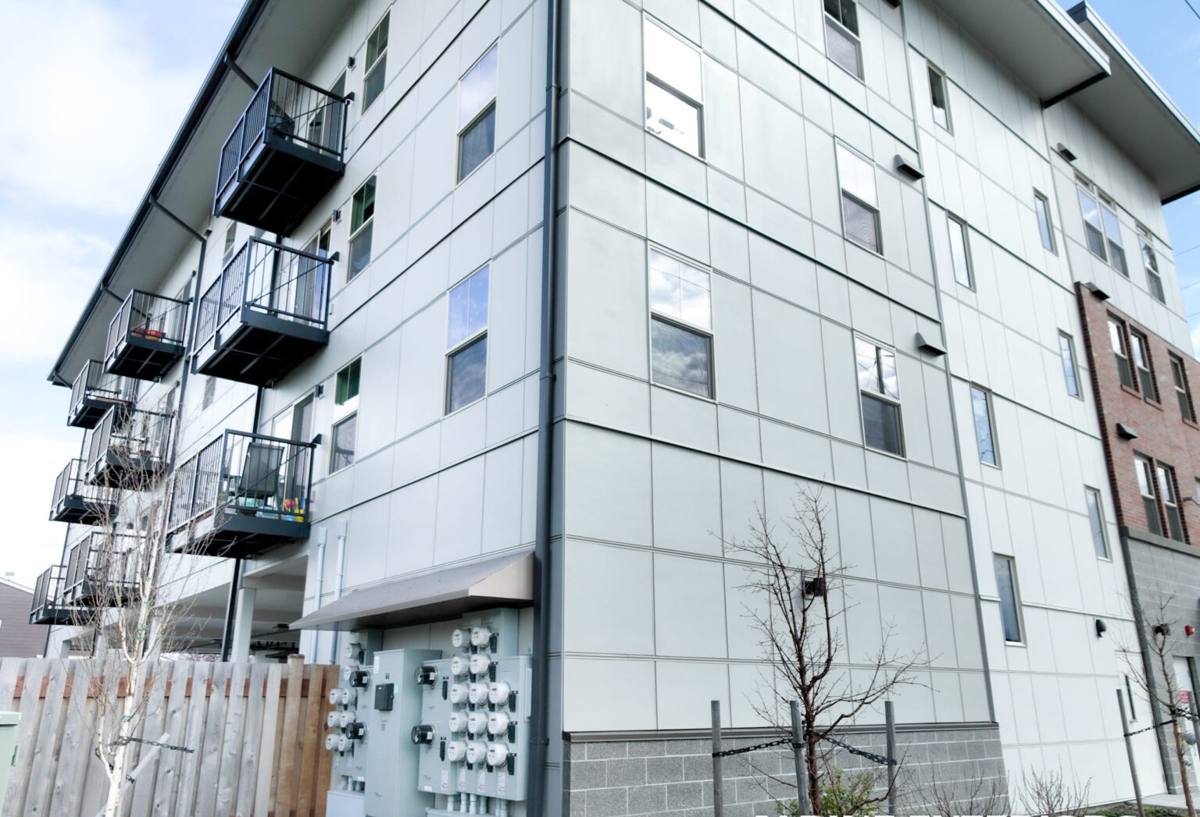
What Sarasota's Climate Does to a Window Over Time
Every window on a Downtown Sarasota home is fighting the same four things, year-round, whether it's hurricane season or not.
Year-Round UV Exposure
Florida's sun angle and day length mean window frames, seals, and glazing compounds get more cumulative UV exposure per year than in most of the country. Vinyl frames can chalk or become brittle, low-quality gaskets harden and shrink, and glass without a proper coating lets heat pour into the house, driving up cooling costs.
Wind-Driven Rain
Sarasota doesn't just get rain — it gets rain pushed sideways by onshore wind, sometimes for hours at a time. A window that isn't flashed and sealed correctly will leak under that kind of pressure even if it never leaks in a light, straight-down shower. This is one of the most common callback issues in coastal window work, and it's almost always an installation defect, not a product defect.
Salt Air
Being close to the bay means airborne salt settles on and around window frames, hardware, and fasteners. Over years, salt exposure accelerates corrosion on lower-grade metal components and can degrade sealants faster than the same materials would wear inland. Frame material and hardware quality matter more here than they would forty miles from the coast.
Hurricane-Force Wind and Pressure Cycling
Even outside of a direct hurricane hit, Sarasota homes regularly experience tropical-storm-force gusts. Wind doesn't just push on a window — it creates pressure differences that pull and flex the frame and the wall opening around it. Repeated pressure cycling over many storms, on a window that wasn't anchored correctly, is a slow path to frame failure, water intrusion, or worse during the one storm that really counts.
Florida Building Code, Permits, and Working Near Downtown's Older Homes
Sarasota County enforces the Florida Building Code's wind-borne debris and design-pressure requirements, which set minimum standards for how new and replacement windows in this part of the state need to perform and how they need to be anchored. A code-compliant installation isn't optional paperwork — it's the difference between a window that's engineered to stay in the wall during a storm and one that isn't.
Replacement window work in Sarasota County typically requires a permit and inspection, and that's true whether the home is a newer build or one of the older properties closer to downtown. Older homes bring their own wrinkles: opening sizes that don't match modern standard sizes, wood-frame construction that needs extra attention to rot and structural soundness before a new window goes in, and in some cases HOA or architectural guidelines for condo buildings and planned communities that govern frame color, style, or glass appearance. None of that should slow a project down if it's planned for up front — it only causes problems when it's ignored until installation day.
What a Correct Window Installation Actually Involves
From the outside, window installation looks simple: old window out, new window in. What actually determines whether that window performs for the next 15-20 years happens in the details most homeowners never see.
- Opening inspection — checking the rough opening for level, square, and any rot or moisture damage in the surrounding framing before a new window ever goes in.
- Proper flashing — water management materials installed in the correct sequence (bottom, sides, then top) so that any water that does get behind the trim sheds outward instead of into the wall cavity.
- Correct fastening — anchoring the window frame to the structure using fasteners and spacing that match the window's tested design pressure rating, not just "enough screws to hold it."
- Sealant, not just caulk — using the right sealant at the right joints, understanding that sealant is a backup to good flashing, not a substitute for it.
- Shimming and squaring — a window that's out of square will bind, won't lock properly, and puts uneven stress on the frame during wind events.
- Interior and exterior finish work — trim, insulation around the frame, and paint or caulk lines that keep the finished opening weathertight and presentable.
Skipping or rushing any one of these steps is how a technically "code-rated" window still ends up leaking, sticking, or underperforming in a storm.
Choosing the Right Window for a Downtown Sarasota Home
There isn't one correct window for every home downtown — it depends on the home's age, exposure to wind and salt, and budget. The table below breaks down the main trade-offs homeowners weigh.
| Option | Strengths | Trade-offs |
|---|---|---|
| Impact-rated windows (laminated glass) | Meet wind-borne debris code without separate shutters; stay in place if the outer glass cracks; better sound and UV control | Higher upfront cost than non-impact windows |
| Non-impact windows + separate protection | Lower window cost | Requires shutters or panels installed before every storm; more homeowner effort and ongoing labor |
| Vinyl frames | Good insulation value, low maintenance, resists corrosion from salt air | Can discolor or become brittle over many years of full UV exposure if lower-grade material is used |
| Aluminum frames | Strong, slim sightlines, well-suited to higher wind-load ratings | Conducts heat more than vinyl; needs quality coatings to resist salt-air corrosion long-term |
| Single-hung / fixed | Simple, reliable, cost-efficient | Only the bottom sash (or nothing) opens for airflow |
| Casement | Excellent seal when latched — good for wind-driven rain resistance | Crank hardware needs to be quality-rated to hold up long-term in salt air |
We don't push one brand or frame type as the answer for every house. We size the recommendation to the exposure of that specific home — a top-floor condo unit facing the bay has different needs than a single-story home a half-mile inland.
What Affects the Cost
Window installation pricing on a Downtown Sarasota home depends on a handful of specific factors, more than on the number of windows alone.
| Cost Factor | Why It Matters |
|---|---|
| Impact vs. non-impact glass | Impact-rated laminated glass costs more per unit but removes the need for separate hurricane protection |
| Frame material | Vinyl, aluminum, and higher-end composite frames sit at different price points and hold up differently over time |
| Opening condition | Rot, out-of-square framing, or non-standard sizes on older homes add labor before the new window can go in |
| Number and size of openings | Larger picture windows and sliding units cost more than standard single-hung sizes |
| Permit and inspection requirements | Sarasota County permitting and required inspections are part of a compliant installation, not an optional add-on |
We give straightforward, itemized estimates so homeowners can see exactly what's driving the number — not a flat per-window quote that hides the details.
Our Installation Process
- On-site assessment — we measure openings, check framing condition, and talk through what the home's specific wind and moisture exposure calls for.
- Product recommendation and written estimate — options that fit the budget and the code requirements for the home, explained plainly, with no pressure to upgrade beyond what makes sense.
- Permitting — we handle the Sarasota County permit application so the job is documented and inspected properly.
- Removal and opening prep — old windows come out, and any rot, gaps, or square/level issues in the opening get corrected before anything new goes in.
- Installation — flashing, anchoring, shimming, and sealing done to match the window's rated design pressure and the manufacturer's installation instructions.
- Finish work and walkthrough — interior and exterior trim completed, every window operated and checked, and a final walkthrough so you know exactly what was done and why.
Signs Your Current Windows Are Already Failing
Homeowners downtown often live with small window problems for years before realizing they add up to a real issue. Watch for:
- Fogging or moisture between panes of double-glazed glass (a sign the seal has failed)
- Windows that are hard to open, close, or lock, or that no longer sit flush in the frame
- Visible daylight, drafts, or whistling around the frame during windy conditions
- Soft or discolored wood, or bubbling paint, on the interior or exterior trim around the window
- A noticeable jump in cooling costs without another clear cause
- Water staining on the wall or sill after wind-driven rain, even if the window itself looks fine
- Frames that are chalky, pitted, or corroded, especially on units facing the bay
Any one of these is worth a look before the next storm season, not after.
Why Hire a Crew That Already Works Downtown Sarasota
Window installation done to code and done well isn't just about the product — it's about knowing how a specific area's homes, openings, and permitting process actually work. A crew that regularly works in Downtown Sarasota already understands the mix of older wood-frame homes and newer construction here, knows what Sarasota County's permitting and inspection process expects, and has seen firsthand how wind-driven rain and salt air expose a bad installation faster than almost anywhere else in the state. That local experience shows up in fewer surprises during the job and a window that's genuinely ready for the next storm — not just rated for it on paper.
If you're weighing whether it's time to replace aging windows or want a straight answer on what a correct installation should look like for your specific home, we're glad to take a look. Reach out for a free, no-pressure estimate using the form below.