 Sarasota Window
 Storm Damage Roof Repair for Laurel Park
Laurel Park sits close enough to the water and to Sarasota's open exposure that its roofs take a different kind of beating than roofs twenty miles inland. Between hurricane-force wind events, wind-driven rain that finds every weak seam, near-constant UV exposure, and salt air that accelerates corrosion on metal components, a roof here ages faster and fails differently than the same roof would somewhere with a milder climate. Storm damage repair in this neighborhood isn't a generic service we adapt on the fly — it's work we do regularly, on homes with the same mix of older bungalows, mid-century construction, and newer infill builds that make up this part of Sarasota.
This page covers what storm damage roof repair actually involves for a Laurel Park home, what correct work looks like versus a quick patch, and how our process runs from the first call to a finished repair.
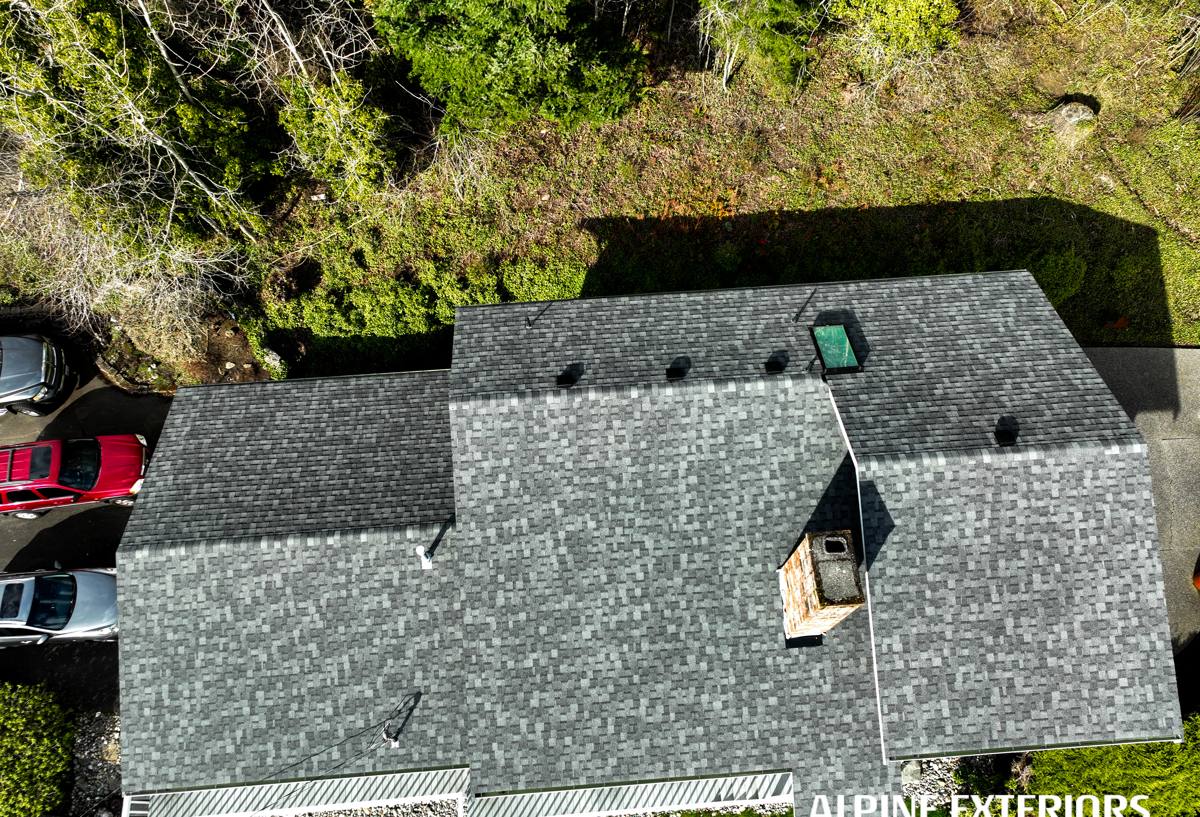
What Counts as Storm Damage (and What Doesn't Always Show)
Not all storm damage announces itself with a leak. Some of the most common issues we find on Sarasota roofs after wind events are damage patterns that sit quietly for months before they turn into an interior problem:
- Lifted, cracked, or missing shingles or tiles, often concentrated on the roof edges, ridges, and any plane facing the prevailing wind
- Compromised flashing around chimneys, skylights, vent pipes, and roof-to-wall transitions — one of the most common leak sources after wind and rain
- Granule loss on asphalt shingles from wind abrasion and UV breakdown, which shortens the shingle's remaining service life even without a visible hole
- Soaked or delaminating decking beneath an intact-looking roof surface, usually found only once a section is opened up
- Torn or displaced ridge caps and hip caps, a frequent failure point in straight-line wind
- Debris impact damage — branches, palm fronds, or wind-blown debris that punctures or bruises roofing material
Wind-driven rain is the tricky one. It doesn't need a hole to get in — it can push water sideways under shingle tabs, through undersized nail penetrations, or past flashing that's a quarter-inch out of place. That's why a proper storm damage inspection isn't just a walk around the yard looking up at the roof; it involves getting on the roof (weather permitting) and checking the vulnerable transition points up close.
Why Sarasota's Climate Makes This Different
Wind
Sarasota County roofs are built and repaired to Florida Building Code wind requirements, which is a good baseline — but a repair that ignores those standards, even a small patch, becomes the next weak point in the system. Fastening patterns, sealant choice, and how a repair ties into the surrounding field all matter more here than in a low-wind region.
UV
Year-round sun exposure breaks down asphalt shingle asphaltic binders, dries out sealant, and degrades rubber boots around vent pipes faster than in northern climates. A repair using the wrong sealant or an old, sun-brittle boot will fail again well before it should.
Salt air
Even set back from the immediate coastline, Laurel Park gets enough salt-laden air that unprotected fasteners, exposed metal flashing, and lower-grade hardware corrode faster than inland. We factor that into what materials and fasteners we use for repairs in this area.
Wind-driven rain
Florida storms rarely bring rain straight down. Rain pushed sideways at speed gets under laps and around penetrations that would stay dry in a calm rain. Repairs here have to account for that horizontal component, not just gravity drainage.
What a Correct Storm Damage Repair Involves
A real inspection first
Before any repair, we document the actual extent of damage — not just the obvious spot, but the areas around it. A single missing shingle is rarely an isolated event after a wind storm; the surrounding shingles have usually taken stress too, even if they haven't lifted yet.
Matching materials, not just patching
A repair that uses a mismatched shingle profile, a different granule color, or incompatible underlayment might look fine for a season and then become the next failure point. We match material type, profile, and where possible, color, so the repair performs — and looks — like part of the original roof rather than a patch on top of it.
Flashing and underlayment, not just surface material
Most leaks trace back to flashing or underlayment, not the shingles themselves. A correct repair replaces compromised flashing and underlayment in the repair zone rather than just re-covering it with new shingles over a damaged base.
Sealing built for this climate
We use sealants and fastening appropriate for high-UV, high-salt, high-wind conditions — not generic products that degrade faster here than they would elsewhere.
Full water-path check
We trace where water would travel if it got past the repair point, checking attic decking, insulation, and interior ceiling areas below the repair, so a hidden leak doesn't surface as drywall damage weeks later.
Repair or Replace? What Actually Drives the Decision
Not every storm-damaged roof needs full replacement, and not every roof is a good candidate for another round of patching. The right call depends on a few honest factors, not a sales pitch either direction.
| Factor | Favors Repair | Favors Replacement |
|---|---|---|
| Roof age | Roof is well within its expected service life | Roof is near or past the end of its material's typical lifespan |
| Damage extent | Isolated to one section or a few penetrations | Spread across multiple roof planes |
| Decking condition | Solid, dry decking under the damaged area | Soft, delaminated, or repeatedly wet decking |
| Prior repair history | First or second repair on this roof | Roof has a long history of recurring patches in different spots |
| Insurance scope | Adjuster scope matches a targeted repair | Adjuster scope or damage pattern supports full replacement |
We'll walk you through where your roof falls on these points and give you a straight recommendation — including telling you when a repair is the right, honest answer, even though a replacement is a bigger job.
Our Process, Start to Finish
- Initial contact and scheduling — we get basic details about the damage and timeline, especially urgency if there's an active leak
- On-site inspection — we assess the roof (and, if it's safe, get on it) to document damage extent, cause, and affected components
- Written estimate — a clear scope of work and cost range before anything starts, no surprise add-ons mid-job
- Insurance coordination, if applicable — we can provide documentation and meet an adjuster on-site if you're filing a claim
- Repair work — matched materials, proper flashing and underlayment work, climate-appropriate sealing
- Final walkthrough — we show you the completed work and confirm the repair area before we consider the job done
Insurance and Storm Damage Claims
Many storm damage repairs in Sarasota County get filed through homeowners insurance, especially after a named storm or documented wind event. We're not a public adjuster and we won't promise a claim outcome, but we can provide the documentation — photos, scope of damage, written estimates — that adjusters typically need, and we're glad to be on-site when an adjuster inspects the roof so there's no gap between what they see and what we're proposing to repair. If your claim doesn't cover the full scope we recommend, we'll explain why we think that scope is necessary rather than just doing whatever the claim check allows.
Post-Storm Roof Checklist for Laurel Park Homeowners
After any significant wind or rain event, here's what's worth checking or having checked before small damage turns into an interior repair:
- Look for shingles or tiles in the yard, gutters, or driveway — a sign of active loss on the roof
- Check ceilings and upper closets for new water stains, even faint ones
- Look at gutters and downspouts for granule buildup (a sign of accelerated shingle wear)
- Check visible flashing around chimneys and vent pipes for gaps or lifted edges
- Note any sagging or uneven roof planes visible from the ground
- If you have attic access, check for daylight, staining, or musty smell after a storm
- Don't walk the roof yourself after a storm — wet, wind-loosened roofing is a fall hazard best left to a crew with the right equipment
Why a Crew That Already Works Laurel Park Matters
Roofing crews that mostly work inland or in lower-exposure areas don't always think in terms of salt air corrosion or wind-driven rain paths — because they don't have to, most of the time. Working Sarasota County roofs regularly means we've already seen how specific materials and fastening methods hold up in this exact climate, not a generalized one. That translates into repairs that are sized, sealed, and fastened for what Laurel Park roofs actually face, not a one-size-fits-all patch. It also means faster response after a storm, when timing between the event and the repair matters for keeping water out of the house.
If your roof took wind or rain damage, we're happy to take a look and give you a straight assessment — no pressure, no inflated scope. Reach out for a free estimate using the form below, and we'll walk you through exactly what we find and what we'd recommend.