 Sarasota Window
 Siding That Has to Work in Ellenton, Not Just Look Good
Ellenton sits close enough to the Gulf and the Manatee River that homes here take on a specific mix of punishment: salt-laden air, long stretches of intense UV exposure, sudden downpours that drive rain sideways, and the real possibility of hurricane-force winds during storm season. Siding that was designed for a mild, dry climate somewhere else simply does not hold up the same way here. When we install siding on an Ellenton home, we're not just covering the walls — we're building the first line of defense against everything Sarasota County's weather throws at a house over the next several decades.
That means the material choice, the installation details, and the fasteners all have to be selected with this specific climate in mind. A siding job that would be perfectly acceptable in a drier, calmer region can fail within a few years here if it's not built for wind-driven rain and constant humidity.
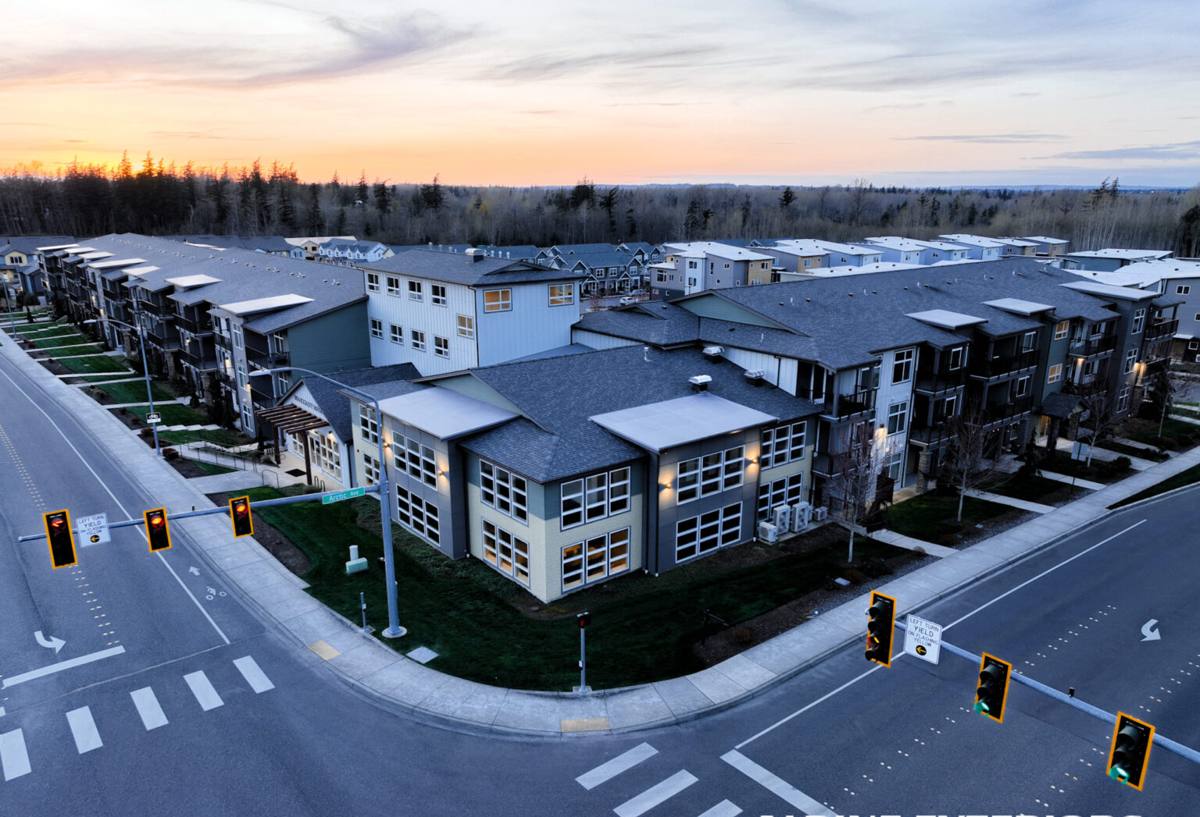
What Ellenton's Climate Actually Does to Siding
Wind-Driven Rain and Moisture Intrusion
It's rarely rain falling straight down that causes problems — it's rain pushed sideways by wind, forced up under laps and around openings. Siding systems that rely on loose-fitting lap joints or that trap moisture behind them are especially vulnerable. Over time, trapped moisture leads to rot in the substrate, mold behind the cladding, and siding that swells, warps, or delaminates.
UV Exposure and Fading
Florida's sun is relentless nearly year-round. Paint-grade siding and lower-quality finishes chalk, fade, and break down faster here than in almost any other part of the country. A finish that isn't engineered for this level of UV exposure will look tired within a few years, no matter how well it was installed.
Salt Air and Corrosion
Ellenton isn't directly oceanfront, but it's close enough that salt air still reaches homes here, especially with onshore winds. Salt accelerates corrosion in fasteners, trim, and any metal components in the wall assembly. Siding materials and hardware that aren't rated for coastal-influenced conditions corrode faster and can stain the siding face as rust bleeds through.
Hurricane Wind Loads
Sarasota County sits in a wind zone where siding has to be installed to resist real uplift and lateral pressure, not just look secure. Under-fastened siding, wrong nail patterns, or panels installed without regard to manufacturer wind-load specs are a common cause of siding failure during tropical storms and hurricanes — often long before the rest of the house is at risk.
What a Correct Siding Installation Involves
Good siding installation is mostly invisible once the job is done — it's in the layers you don't see. Skipping or rushing any of these steps is where most siding failures start.
- Inspecting and repairing the existing wall sheathing before anything new goes up
- Installing a code-compliant weather-resistive barrier, lapped correctly to shed water downward
- Properly flashing every window, door, and penetration so water is directed out, not in
- Following the manufacturer's specified fastener type, size, and spacing for our wind zone
- Maintaining correct clearances at the ground, roofline, and any horizontal surfaces
- Sealing and caulking joints with products rated for exterior, high-UV, coastal-influenced use
- Finishing with trim and caulk details that keep water moving away from the wall assembly
Any one of these steps done wrong can undermine an otherwise good siding product. This is why we treat installation quality as being just as important as the material itself.
Why We Only Install James Hardie Fiber Cement
We install James Hardie fiber cement siding exclusively — not vinyl, not LP SmartSide, not primed wood, and not other fiber cement brands. That's a deliberate standard, not a sales preference. Fiber cement is non-combustible, dimensionally stable, and doesn't warp or rot the way wood-based products can when exposed to Florida's humidity and rain. Hardie's ColorPlus factory finish is baked on and warranted against fading and chipping, which matters enormously under Sarasota County's sun.
Hardie also manufactures HZ5 products specifically engineered for humid, high-moisture climate zones like ours — that's not marketing language, it's a real formulation difference aimed at exactly the conditions Ellenton homes face. Combined with a strong transferable warranty, that gives homeowners a siding system built for the specific climate stresses in this part of Florida, not a generic national product.
We won't install materials we don't believe hold up here long-term. That means turning away some jobs where a homeowner specifically wants vinyl or a different fiber cement brand. We'd rather be upfront about that than install something we know will underperform in this climate.
How Hardie Compares to Other Common Siding Choices
| Factor | James Hardie Fiber Cement | Vinyl Siding | Wood-Based Siding (LP SmartSide, primed spruce) |
|---|---|---|---|
| Moisture/rot resistance | High — cement-based, doesn't rot | High, but can trap moisture behind panels | Moderate — engineered wood still vulnerable at cut edges and joints |
| Wind resistance (properly installed) | Strong, rated for high wind zones | Can deform, crack, or blow off in high wind | Moderate, dependent on fastening and substrate |
| UV/color stability | Factory ColorPlus finish, fade-resistant | Can fade and become brittle over time | Paint-grade finish fades and needs recoating |
| Salt air performance | Not affected by salt exposure | Generally stable, but trim/fasteners can corrode | More prone to moisture-related degradation near coastal air |
| Maintenance | Low — occasional wash, repaint on long cycle | Low, but repairs are visible and color-matching is hard | Higher — repainting and edge sealing on a shorter cycle |
Signs an Ellenton Home May Need New Siding
Some warning signs are obvious; others show up quietly over a few seasons. Worth checking your home for:
- Soft, spongy, or visibly warped sections of siding
- Paint or finish that's chalking, peeling, or fading unevenly
- Cracked or loose panels, especially after a windstorm
- Staining or discoloration that suggests water tracking behind the siding
- Rising energy bills that could point to a failing wall assembly behind the siding
- Visible rust streaks from corroding fasteners or trim
If you're seeing more than one of these, it's worth having the siding and the wall assembly behind it evaluated before small problems become structural ones.
Our Installation Process for Ellenton Homes
We start with an on-site inspection of the existing siding, sheathing, and any trouble spots specific to your home's exposure — a wall facing prevailing wind and rain gets treated differently than a sheltered one. From there we walk through Hardie product and color options that fit the home and the neighborhood, then provide a clear, written scope before any work begins.
During installation, we remove old siding down to the sheathing, repair any rot or damage found underneath, install a proper weather-resistive barrier and flashing package, and hang the new Hardie siding to manufacturer spec for our wind zone — correct fastener type, spacing, and clearances throughout. We finish with trim, caulking, and a final walkthrough so you know exactly what was done and why.
Why Hiring a Crew That Already Works in Ellenton Matters
Siding installed by a crew unfamiliar with local wind zones, permitting requirements, and the way Sarasota County weather behaves is more likely to have gaps — wrong fastener schedules, missed flashing details, or a product that isn't suited to the humidity and salt exposure here. A crew that regularly works in and around Ellenton already understands which details matter most for homes in this specific area, from wind uplift requirements to how quickly UV exposure breaks down lower-grade finishes.
Local experience also means faster, more accurate estimates, fewer surprises once work starts, and a contractor who will still be nearby if a warranty question comes up years down the road. Siding is a long-term investment in the house — it deserves a crew that plans to be around for the long term too.
What to Look for When Vetting a Siding Contractor
- Proper licensing and insurance for exterior work in Florida
- Manufacturer training or certification specific to fiber cement installation
- A written scope of work detailing flashing, fastening, and clearance specs — not just "install siding"
- Willingness to explain why they use the products they use, and what they won't install
- References or a track record of jobs in your specific area, not just a broad service radius
- A clear, transferable warranty on both materials and workmanship
What Affects the Cost of a Siding Installation
| Cost Factor | Why It Matters |
|---|---|
| Home size and wall complexity | More corners, dormers, and trim details mean more labor and material cuts |
| Extent of substrate repair | Rotted sheathing or framing found during tear-off adds time and material |
| Hardie product line and profile | Lap, shingle, and panel styles vary in material and labor cost |
| Color and finish choice | Factory ColorPlus finishes vs. field-painted options affect price and long-term upkeep |
| Accessory and trim work | Corner boards, fascia, and soffit work done alongside siding can be bundled efficiently |
Every home is different, which is why we walk each property individually rather than quoting off a generic price list. A fair estimate should reflect your home's actual condition, not a rough per-square-foot guess.
If your Ellenton home's siding is showing its age or you're planning ahead of the next storm season, we're happy to take a look and walk you through your options. Reach out for a free, no-pressure estimate using the form below.