 Sarasota Window
 Why Windows in The Meadows Take a Different Kind of Beating
The Meadows is one of Sarasota's more established residential communities, with a mix of single-family homes, villas, and condominiums built up over several decades and set among mature tree canopy and greenbelt. That mix matters when it comes to windows. A single-family home with its original rough openings has different needs than a villa or condo unit sharing walls and common areas, and a window that was a reasonable choice when it was installed may not meet today's wind, impact, or energy codes.
On top of that, every home in this part of Sarasota County deals with the same regional climate stress: hurricane-force wind gusts during storm season, intense UV exposure nearly year-round, wind-driven rain that gets pushed sideways into window frames rather than falling straight down, and salt-laden air that drifts inland off the Gulf even in neighborhoods set back from the water. Windows here don't just have to look good and keep out drafts — they have to survive a genuinely harsh combination of loads that most of the country never deals with at once.
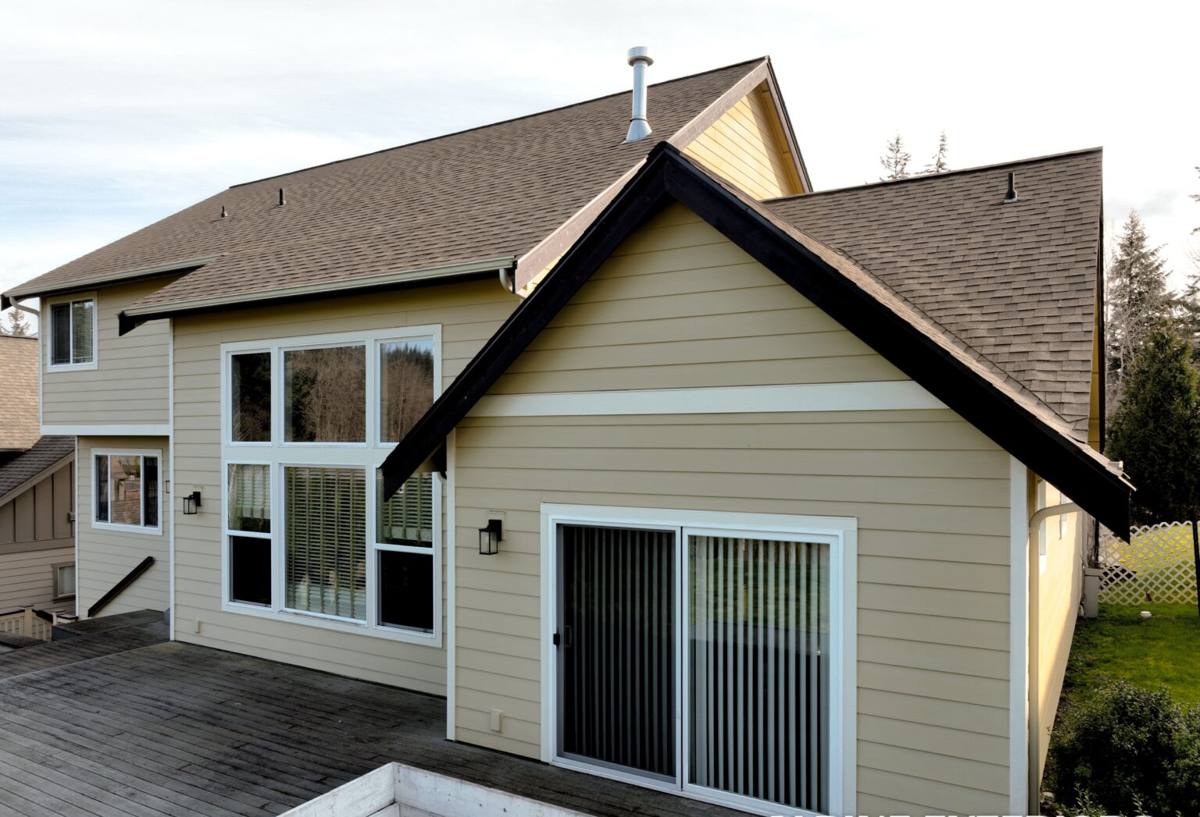
What "Energy-Efficient" Actually Means for a Home Like Yours
Energy-efficient windows are often marketed around one number, but a correct recommendation looks at the whole package:
- U-factor — how well the window resists heat transfer. Lower is better for keeping conditioned air where you want it.
- SHGC (Solar Heat Gain Coefficient) — how much solar heat passes through the glass. In Sarasota's sun, a lower SHGC usually matters more than it would up north.
- Low-E coatings — a microscopically thin coating that reflects infrared and UV while still letting visible light through, which cuts both heat gain and the UV fading that ruins flooring and furniture.
- Gas fills and spacers — argon or krypton between panes, plus a warm-edge spacer, reduce heat transfer at the glass edge, which is usually where a window loses the most efficiency.
- Frame material and construction — the frame is often the weakest link thermally, and in this climate it also has to resist UV breakdown and salt exposure over the long haul.
None of these numbers mean much in isolation. A window with a great U-factor but a poor SHGC rating can still leave a west-facing room in The Meadows uncomfortably warm by late afternoon.
Impact Resistance and Efficiency Aren't Separate Decisions
Florida Building Code sets wind-load and, depending on your specific wind zone and exposure, impact or protection requirements for replacement windows. In our experience, homeowners often think of "impact glass" and "energy-efficient glass" as two different products they have to choose between. In practice, they overlap more than people expect.
Impact-rated glass is laminated — two panes bonded around a durable interlayer — which by design also blocks a large share of UV transmission and adds a layer of sound and thermal insulation compared to standard single-pane or older double-pane glass. That's a real efficiency benefit, not just a storm-protection one. The trade-off is weight and cost: impact glass units are heavier, require frames and hardware rated to carry that weight, and typically cost more upfront.
The alternative — standard glass paired with code-compliant shutters or panels — can also meet code and cost less initially, but it puts the burden of protection on a separate system you have to deploy before every storm, and it doesn't give you the everyday UV and noise benefits that laminated glass provides year-round. We'll walk you through both honestly rather than pushing whichever is more profitable for us.
Frame Material Trade-offs
| Frame Material | Coastal/UV Performance | Maintenance | Typical Trade-off |
|---|---|---|---|
| Vinyl | Good UV and salt resistance; won't corrode | Low — no repainting needed | Can expand/contract with heat; quality varies widely by manufacturer |
| Aluminum | Strong, but prone to corrosion near salt air over time unless properly coated | Moderate — coatings need to be intact | Thermally conducts more heat than vinyl or fiberglass unless thermally broken |
| Fiberglass/Composite | Very good UV and salt resistance; dimensionally stable | Low | Higher upfront cost than vinyl |
| Wood/Wood-clad | Needs a durable exterior cladding to survive salt air and UV | Higher — exposed wood is vulnerable here | Interior warmth of real wood, but not our first recommendation for direct coastal-adjacent exposure |
What a Correct Installation Actually Involves
The window unit itself is maybe half the job. Installation quality determines whether that energy performance and storm rating actually hold up.
Flashing and Sealing
Wind-driven rain doesn't behave like normal rain — it gets forced sideways and upward into gaps that would never see water in a calmer climate. Correct flashing integration with the wall's water-resistive barrier, along with proper sealant selection and joint design, is what keeps that water out. Skipping this step is the single biggest cause of window leaks and hidden wall damage we see in older Sarasota homes.
Fastening and Structural Attachment
Impact-rated and high-wind-load windows are only as strong as their anchoring. That means the right fastener type, spacing, and embedment into structurally sound framing or masonry — not just what happened to be there when the old window went in.
Matching Existing Openings
In villas and condo units especially, rough openings and exterior sightlines are often standardized across a building or association, which means replacement windows need to match dimensions and, in many cases, appearance guidelines exactly.
Permitting and Inspection
Window replacement in Sarasota County generally requires a permit and inspection to verify the product's approval rating and the installation itself. A legitimate local crew treats this as a normal part of the job, not an optional extra.
Our Process for The Meadows Homeowners
- An in-person visit to measure openings, assess your current windows' condition, and talk through what you actually want out of the replacement — comfort, noise reduction, storm protection, lower bills, or all of the above.
- A straightforward walk-through of glass and frame options with honest pros and cons for your specific exposure, orientation, and home type.
- Handling the permit application with Sarasota County and, where your property is part of an association with architectural guidelines, working within those requirements rather than around them.
- Installation scheduled around your household, with attention to protecting interior finishes and landscaping during the work.
- Final walk-through and coordination of the required inspection so everything is documented and code-compliant.
What Drives the Cost of This Project
| Factor | Why It Moves the Price |
|---|---|
| Glass package (standard vs. impact-rated) | Impact glass costs more per unit but may reduce or eliminate the need for separate shutters |
| Frame material | Fiberglass and composite frames typically cost more upfront than vinyl but often last longer in this climate |
| Number and size of openings | Larger openings and whole-house jobs have per-unit efficiencies but higher total cost |
| Access and building type | Condo and villa units can involve HOA coordination, common-area access rules, or scheduling windows that add time |
| Existing condition | Rot, out-of-square openings, or prior water damage found during removal can add repair work before the new window goes in |
We give a written estimate before any work starts, and we'll flag any of these variables that apply to your specific home so there are no surprises once the job is underway.
Keeping Your Investment Working Over Time
Even a well-installed, high-quality window needs some basic upkeep in this climate. A few habits go a long way:
- Rinse frames and tracks periodically to clear salt residue, especially after storms with onshore wind.
- Keep weep holes in aluminum or vinyl frames clear of debris so water can drain instead of pooling.
- Inspect exterior sealant and caulk lines yearly, particularly after a hard summer storm season, and have gaps re-sealed before they become leaks.
- Check hardware — locks, cranks, rollers — for stiffness or corrosion and lubricate as the manufacturer recommends.
- If your unit has a warranty, keep the paperwork and installer contact on file in case a seal or component ever needs service.
Why Local Experience in The Meadows Matters
A crew that regularly works in this neighborhood already understands the practical realities: the range of home ages and window opening sizes you'll find here, the fact that many properties fall under an association with its own architectural review process, and how Sarasota County's permitting office likes projects submitted. That familiarity translates into fewer delays and fewer surprises for you, compared to a crew that's never worked in a deed-restricted, established community like this one.
It also means we're not guessing about how this specific climate treats windows over ten or twenty years — we've seen which combinations of glass, frame, and installation detail hold up here and which ones cause callbacks.
If you'd like an honest look at your windows and what it would take to bring them up to today's standards, we're happy to come take a look. The estimate is free, there's no pressure, and you'll get a clear breakdown of your options before you decide anything — just use the form below to get started.