 Sarasota Window
 Why Laurel Park Homes Need Siding That's Built for This Climate
Laurel Park sits in one of the more exposed parts of Sarasota County, close enough to the coast that salt air, humidity, and storm winds are a daily fact of life for anything mounted on the outside of a house. Siding here isn't just cosmetic. It's the layer standing between your home's structure and hurricane-force wind gusts, wind-driven rain that gets pushed sideways into wall assemblies, and a sun that beats down on painted surfaces nearly every day of the year. Older or lower-grade siding products break down faster under this combination than they would almost anywhere else in the country.
That's the backdrop for every siding decision we help Laurel Park homeowners make. The right material, the right installation details, and the right long-term maintenance plan all matter more here than in a milder climate, and cutting corners on any of the three shows up as a problem years sooner than it would inland.
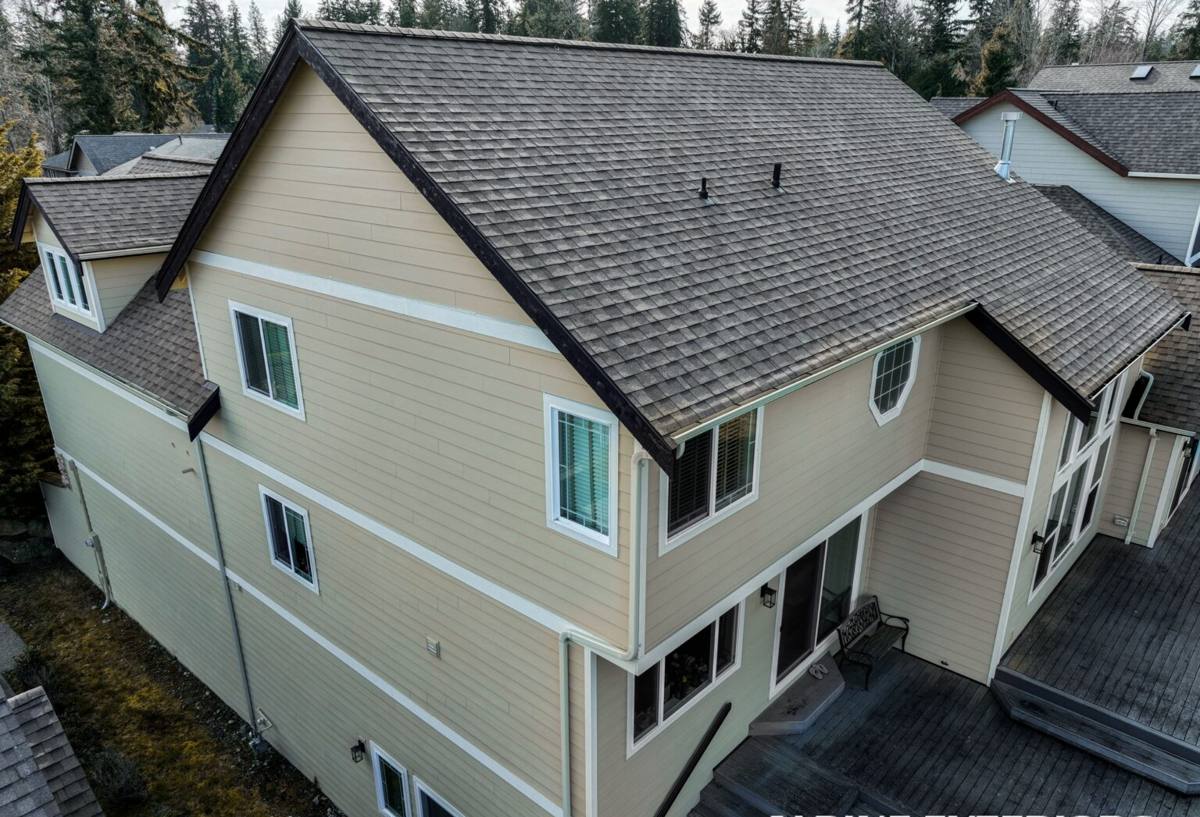
What Correct Fiber Cement Siding Installation Actually Involves
Fiber cement siding has a strong track record in Florida, but that reputation depends entirely on installation quality. The material itself is durable; the failures we get called out to inspect are almost always installation failures, not product failures.
The Details That Matter Most in a Coastal Climate
- Correct starter strip placement and consistent reveal lines, so water sheds the way the panel system was engineered to shed it
- Proper flashing at every window, door, and roofline intersection — the single most common point of moisture intrusion on any siding job
- Fastener spacing and depth that match manufacturer specs for high-wind zones, not generic guidelines
- Correct clearance between the bottom of the siding and grade, roof lines, decks, and patios so standing water and splash-back don't sit against the board
- Factory-cut and factory-sealed edges wherever possible, since field-cut edges are the most vulnerable point for moisture absorption
- Compatible, marine-grade fasteners and trim to avoid corrosion streaking in salt-influenced air
None of this is visible once the job is finished and the house looks great from the curb. It's also exactly why the installation matters as much as the product choice, and why a crew's familiarity with Sarasota County wind and moisture conditions is worth something real.
Why We Install Only James Hardie Fiber Cement Siding
We don't install LP SmartSide, vinyl, Cemplank, Allura, or bare wood siding, and we're upfront about why. James Hardie fiber cement is non-combustible, engineered specifically for humid and coastal climates through its HZ5 product line, and finished at the factory with ColorPlus technology rather than relying on field-applied paint that fades and chips faster in intense Florida UV. It also carries a strong, transferable limited warranty when installed to Hardie's specifications, which matters to buyers if you ever sell the home.
Other fiber cement and engineered wood products aren't necessarily bad materials, and we're not going to tell you a competitor's siding is garbage. What we will tell you is that after years of installation work in this climate, Hardie's combination of moisture resistance, factory finish durability, and climate-specific engineering is what we're willing to put our name behind. That's a professional standard we hold, not a sales pitch.
Fiber Cement Profiles: Which One Fits a Laurel Park Home
James Hardie's fiber cement system comes in a few distinct profiles, and the right choice depends on your home's architecture and how much of the exterior needs replacement versus repair.
| Profile | Typical Use | Look | Maintenance |
|---|---|---|---|
| HardiePlank lap siding | Most common full-exterior replacement | Traditional horizontal lap, smooth or woodgrain texture | Low — ColorPlus finish resists fading and chipping |
| HardieShingle | Accent areas, gables, coastal cottage styles | Staggered or straight-edge shingle look | Low — same factory-finish durability as lap siding |
| HardiePanel | Modern or board-and-batten style facades | Vertical panel with batten strips | Low — fewer horizontal seams to monitor |
| HardieTrim | Corners, window and door surrounds, fascia | Clean, paintable or factory-finished trim boards | Low, pairs with any of the above |
Many Laurel Park homes do well with HardiePlank as the primary field material and HardieTrim for a clean, finished edge at corners and openings. Homes with distinct architectural features sometimes mix in HardieShingle or HardiePanel as an accent, which we can walk through during an on-site estimate.
Signs Your Siding Is Already Losing the Battle
Sarasota's climate doesn't give failing siding much time to sit quietly. Watch for these warning signs, especially after a summer storm season:
What to Look For
- Soft or spongy spots when you press on the siding, especially near the bottom edges or below windows
- Visible warping, buckling, or gaps that weren't there a year or two ago
- Paint that's bubbling, peeling, or chalking heavily, particularly on sun-exposed walls
- Staining or streaking that keeps returning shortly after cleaning, a common sign of trapped moisture
- Rot or insect damage at the base of walls, corners, or around penetrations like hose bibs and vents
If you're seeing more than one of these on the same wall, that's usually a sign the underlying moisture barrier or flashing has already been compromised, not just a surface cosmetic issue.
Our Process, From Estimate to Finished Job
- On-site inspection. We walk the full exterior, checking existing siding, trim, flashing, and any moisture damage before quoting anything.
- Honest scope and estimate. You get a clear breakdown of what needs full replacement, what can be repaired, and what the James Hardie product and profile choice will cost.
- Prep and moisture barrier work. Old siding comes off, substrate is inspected for hidden damage, and a proper weather-resistant barrier goes down before a single board is hung.
- Installation to manufacturer spec. Flashing, fastener pattern, clearances, and reveal lines are set to Hardie's requirements for your wind zone, not shortcuts.
- Final walkthrough. We review the finished job with you directly and point out anything you should watch for as the home settles into the new siding.
What a Correct Job Costs — and What Drives the Number
Every home is different, so we won't put a fake per-square-foot number on this page. What we can tell you is what actually moves the estimate up or down, so you know what questions to ask when you're comparing quotes.
| Cost Factor | Why It Matters |
|---|---|
| Amount of existing damage behind old siding | Rotted sheathing or framing found during removal adds real repair cost before new siding can go on |
| Home's architectural complexity | More corners, gables, and window trim mean more cutting, flashing, and labor time |
| Profile and finish selection | Mixing profiles or adding accent trim work costs more than a single straightforward lap-siding install |
| Access and site conditions | Tight lot lines, landscaping, or two-story sections affect staging and labor time |
| HZ5 vs. standard specification | Using the correct climate-zone product for coastal exposure is not optional here, and it's factored into an honest quote from the start |
Be cautious of any quote that's dramatically lower than others for the same scope of work — it usually means a corner is being cut somewhere in the flashing, fastening, or moisture barrier that you won't see until it fails.
Why Hiring a Crew That Already Works Laurel Park Matters
Siding installation isn't one-size-fits-all across Florida, let alone across the country. A crew that regularly works in Sarasota County already understands local wind-load requirements, how permitting works in the area, and how homes in neighborhoods like Laurel Park are typically built and oriented relative to sun and prevailing wind. That familiarity shows up in fewer surprises during the job and fewer callbacks after it. It also means we're not learning the local permitting process or wind-zone requirements on your project — we already know them going in.
We're not going to invent claims about how many homes we've done in any one neighborhood. What we can tell you is that our process doesn't change based on postal code — every install gets the same flashing, fastening, and moisture-barrier standards, applied by people who understand why those standards matter more here than in a drier, calmer climate.
Ready for a Straight Answer About Your Siding?
If your Laurel Park home's siding is showing its age, or you're planning ahead before the next storm season, we're happy to come take a look and give you an honest assessment — no pressure, no inflated scope. Fill out the form below for a free estimate, and we'll walk the exterior with you and explain exactly what we see.