 Sarasota Window
 Window Replacement in Fruitville: Built for Sarasota County's Climate
Fruitville sits inland of downtown Sarasota along the Fruitville Road corridor, and the housing stock here spans everything from established mid-century homes to newer construction mixed in among older ranch-style properties. Windows in this area face a rougher combination of weather stress than most homeowners realize: hurricane-force wind events test the frame and glass directly, intense UV that runs nearly year-round breaks down weatherstripping, seals, and lower-grade vinyl faster than a milder climate would, wind-driven rain pushes water sideways into wall assemblies during both named storms and ordinary summer squalls, and salt-tinged Gulf air carries well inland across Sarasota County, working on hardware and fasteners long after any storm has passed. None of that is unique to Fruitville specifically — it's the reality for the whole region — but a lot of the windows in this particular area are original to homes built to an older set of standards, which means replacement here is often overdue rather than optional.
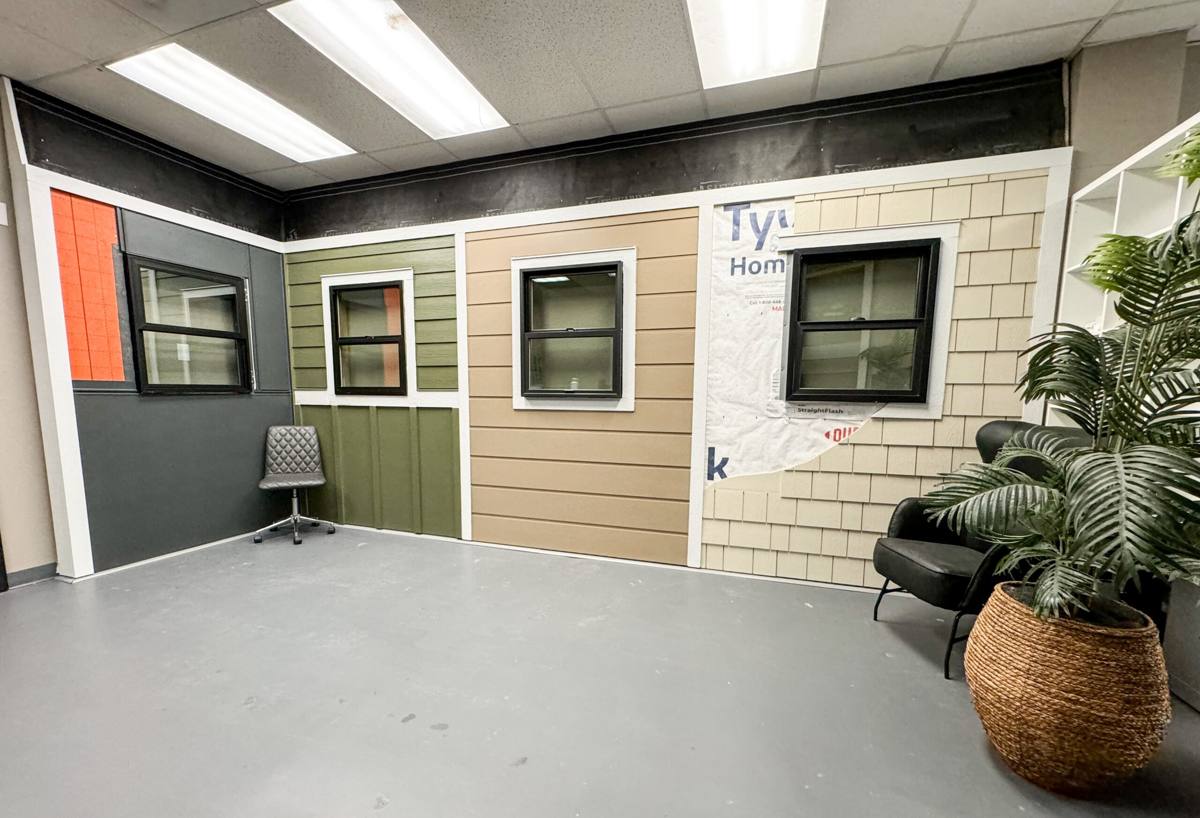
We treat window replacement as an installation problem first and a product problem second. A well-rated window installed with sloppy flashing and undersized anchoring will still leak and underperform in this climate. A solid, mid-grade window installed correctly — sized right, anchored to spec, and flashed so water actually sheds away from the opening — holds up better over time than a premium unit put in carelessly.
What This Climate Does to Windows Over Time
Hurricane-Force Wind Loads
Every hurricane season puts direct pressure on window glass and framing, and a lot of the older windows still in place around Fruitville were installed before current wind load and anchoring standards existed. Under sustained pressure, an under-anchored frame can flex, and repeated flexing over multiple storm seasons is what eventually compromises seals and hardware even when a window never visibly fails during any single event.
Intense, Year-Round UV
Florida's UV exposure runs strong essentially all year, not just in summer, and it's harder on window components than most homeowners expect. Weatherstripping dries out and cracks, lower-grade vinyl frames can yellow and grow brittle, and sealants that looked fine at installation start failing years earlier than they would in a more moderate climate. UV damage is slow and cumulative, so it's usually the frame and hardware — not the glass — that shows wear first.
Wind-Driven Rain
Storms in this part of Florida rarely drop water straight down. Wind pushes rain sideways into wall assemblies, and that matters for windows specifically because wind-driven rain reaches gaps and seams a calmer climate would never test. The window unit is only half the equation — flashing that actually laps into the surrounding wall and siding is what keeps that water out of the framing.
Salt Air and Corrosion
Fruitville isn't beachfront, but salt-influenced air off the Gulf travels well inland across Sarasota County, and it doesn't need a storm to do damage — it's a slow, constant process that works on hardware, fasteners, and screen frames year-round. Standard-grade hardware that would hold up fine in a drier inland climate tends to show pitting, stiffness, or corrosion noticeably sooner here.
Signs a Fruitville Home Needs Window Replacement
- Fogging or visible moisture trapped between panes on a double-pane window
- Frames that feel soft, chalky, or brittle, or vinyl that's visibly yellowed from UV exposure
- Windows that stick, won't stay open, or are difficult to lock fully
- Noticeable drafts or a whistling sound around the frame during windy conditions
- Visible daylight or gaps where the frame meets the surrounding wall or siding
- Corroded, pitted, or seized hardware — locks, cranks, or hinges that don't operate smoothly
- Water staining on interior sills or trim after storms, even without an obvious leak point
- Single-pane glass with no impact protection on a home that's never been upgraded
Impact Windows and Florida Building Code: What Actually Applies
Florida's building code sets wind load and, in some areas, wind-borne debris protection requirements for exterior openings, and what applies to a specific property depends on its mapped wind speed and distance from the coast — not on the county name alone. Some homes in Sarasota County fall within a wind-borne debris region that requires impact-rated glass or code-approved shutters on new installations; others don't, depending on exact location. A local contractor pulling the permit for your address can tell you definitively what's required for that specific home rather than guessing from the zip code.
Even where impact-rated glass isn't strictly required by code, it's often still the better call in this part of Florida. Beyond storm protection, impact windows commonly qualify homeowners for wind mitigation credits on their insurance, and they hold up better to the everyday stress of wind and debris that comes with living this close to the Gulf.
| Situation | What It Usually Means |
|---|---|
| New window install in a mapped wind-borne debris region | Impact-rated glass or code-approved covering required for the opening |
| Replacement outside a wind-borne debris region | Meet the wind load rating for the address; impact glass optional but often worth it |
| Home enrolled in a wind mitigation insurance inspection | Impact-rated windows can lower premiums; documentation matters for the credit |
| Older home with original, non-rated windows | Replacement is a chance to bring the whole opening up to current standards, not just swap glass |
What a Correct Window Replacement Job Involves
Assessment and Wind Exposure
We start with a field look at each opening — frame condition, current hardware, and how the existing flashing ties into the siding — along with an honest read on what wind rating and code requirements apply to that specific address. That assessment is what actually determines the right window for the job, not a catalog price point.
Removal and Opening Prep
Pulling the old unit is where hidden problems usually surface — soft framing, prior flashing failures, or water damage that never showed up on the interior side. We address that before the new window goes in rather than treating it as a surprise mid-installation.
Installation and Anchoring
The new unit gets set and anchored to meet the wind load rating for its size and location, using fasteners and anchoring methods rated for that exposure — not just whatever the manufacturer's minimum spec allows.
Flashing and Weatherproofing
This is the step that determines whether a window replacement holds up through hurricane season or starts leaking within a couple of years. Flashing has to lap correctly with the weather-resistive barrier and siding around it, directing water out and away from the opening instead of trapping it behind the trim. Caulk plays a supporting role here, not the primary one — it cracks and breaks down over time and was never meant to be the sole barrier against wind-driven rain.
Finish, Hardware, and Corrosion Protection
Salt air goes after fasteners, locks, and screen hardware whether or not a storm ever hits, so we spec corrosion-resistant hardware as standard practice on installs in this area, not as an upgrade homeowners have to ask for separately.
Choosing Frame Material and Glass for This Climate
There's no single correct frame material for every home — the right choice depends on budget, the home's exposure, and what the homeowner wants to maintain long-term. What matters most for a Fruitville property is a tight, well-engineered frame paired with glazing suited to Florida's heat and glare, and hardware that can take sustained humidity and salt-influenced air without corroding prematurely.
| Frame Material | Trade-Offs in This Climate |
|---|---|
| Vinyl | Affordable, resists rot and corrosion, but lower-grade formulations can yellow or grow brittle under intense UV over time |
| Aluminum | Strong and slim-profile, but conducts heat readily and needs a quality thermal break to perform well in Florida's climate |
| Fiberglass | Dimensionally stable through heat cycling, holds paint well, generally the most durable option under sustained sun and humidity — usually at a higher cost |
On glazing, low-E coatings cut down on solar heat gain, which matters for both comfort and cooling costs given how many months a year Sarasota County homes run air conditioning. Impact-rated units use laminated glass with an interlayer that holds the pane together under impact — that's the technology behind both the storm protection and the added sound dampening homeowners often notice after an upgrade.
Our Process, Start to Finish
- On-site assessment — we check every opening, evaluate the home's wind exposure, and confirm what code requires for that specific address
- Honest recommendation — which windows need replacement now, which can wait, and what rating and frame material make sense for the budget
- Ordering and lead time — a realistic timeline, since impact-rated and custom-sized units are typically built to order
- Removal and opening prep — old units come out carefully, with any hidden framing or flashing issues addressed before the new window goes in
- Installation and anchoring — units are set and anchored to meet the wind load rating for their size and location
- Flashing, sealant, and finish work — weatherproofing detailed properly, then finished to match the home's exterior
Cost Factors Worth Understanding Before You Order
| Factor | What Changes the Price |
|---|---|
| Impact rating required | Impact-rated glass costs more upfront than standard glass but can offset that through insurance credits over time |
| Frame material | Vinyl generally costs less than fiberglass; aluminum falls in between depending on the thermal break quality |
| Opening condition | Rot, prior flashing failures, or out-of-square framing on older Fruitville homes can add repair work before the new unit goes in |
| Size and configuration | Large picture windows, sliders, and non-standard shapes cost more to engineer, order, and flash than a standard rectangle |
| Number of units | A whole-house replacement typically has better per-unit economics than one-off swaps done over time |
- Confirm which windows on the home actually need replacement versus which are still sound
- Ask what wind rating and code requirements apply to your specific address, not a general county answer
- Get the anchoring and flashing plan explained, not just the window brand being sold
- Ask whether the proposed units qualify for a wind mitigation insurance credit
- Get a written scope that separates the manufacturer's product warranty from the installation warranty
- Get a realistic lead time in writing — impact-rated units are usually built to order
Why a Crew That Already Works Fruitville Matters
Manufacturer installation instructions are written for average conditions, and this stretch of Sarasota County doesn't stay average for long. A crew that hasn't worked this area regularly can get the wind rating right on paper and still miss the details that actually keep water and wind out — how much a flashing lap needs to overlap, which anchoring pattern actually holds under real hurricane-force load versus the code minimum, when a sealant joint needs extra attention because of year-round UV and salt cycling. Those are decisions made on the job site, not decisions a spec sheet makes for you. Working Fruitville and the surrounding Sarasota area regularly also means fewer surprises around permitting and realistic scheduling — especially heading into hurricane season, when lead times on quality windows tend to stretch.
If your Fruitville home has windows that are drafty, foggy, hard to operate, or you're just not sure whether they'd hold up through another storm season, we're happy to take a look and give you a straightforward, no-pressure read. Reach out below for a free estimate.