 Sarasota Window
 Why Gulf Gate Estates Roofs Take a Different Kind of Beating
Gulf Gate Estates sits close enough to the Gulf that salt-laden air, humidity, and storm exposure are part of daily life for every roof in the neighborhood, whether it's a 1970s ranch off Beneva or a newer build tucked into one of the area's quieter streets. Sarasota County roofs don't fail from one dramatic event most of the time — they fail from years of accumulated stress: intense UV breaking down surface materials, wind-driven rain finding every gap in flashing and fasteners, and salt air slowly corroding anything that isn't rated for a coastal environment. Add in the real possibility of hurricane-force winds during storm season, and you have a climate that rewards roofing systems built with margin, not roofing systems built to the minimum code requirement.
That's the case for metal roofing in this neighborhood specifically. It's not the right fit for every home or every budget, but for homeowners planning to stay put for the long haul, or those who are tired of re-roofing every 15-20 years, it solves several of Gulf Gate Estates' climate problems at once. This page covers what a metal roof actually needs to perform here, what a correct installation looks like, and how we approach the job from first estimate to final walkthrough.
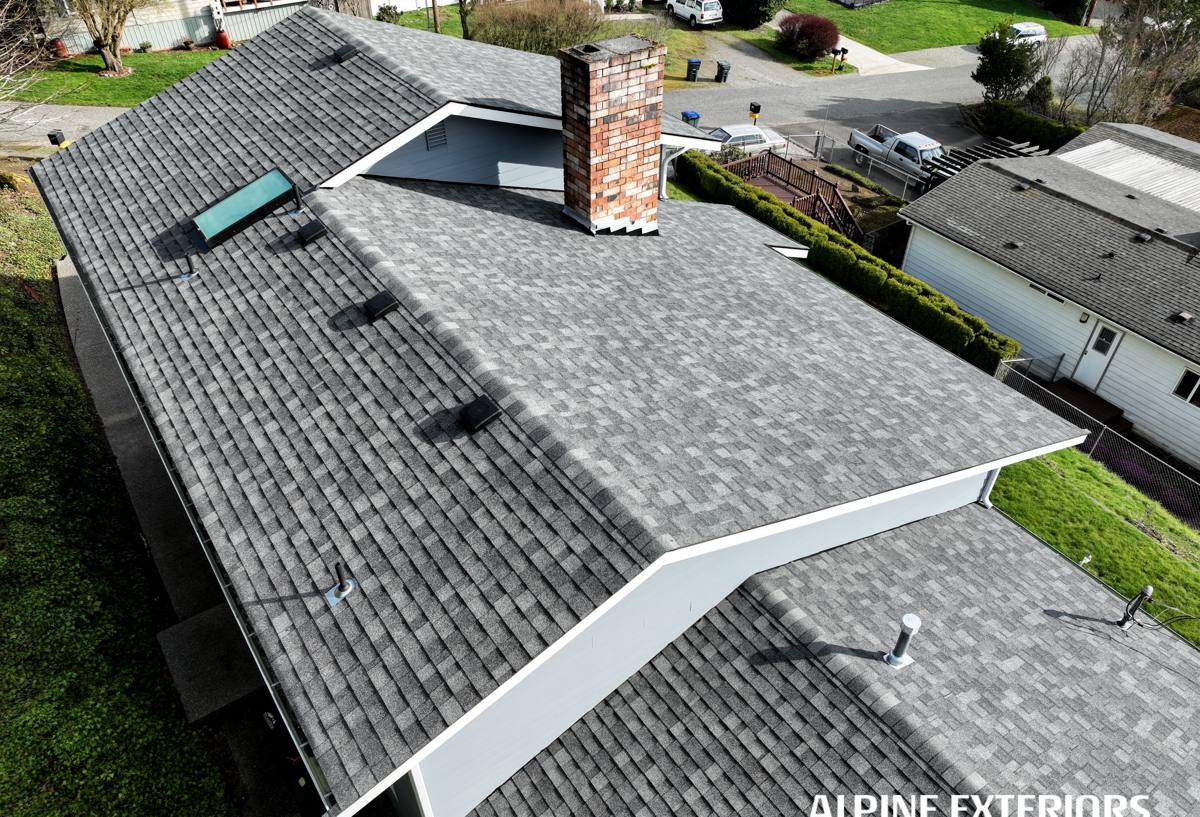
What Metal Roofing Solves for This Neighborhood
Wind Performance
A properly installed metal roof — especially a standing seam system with concealed fasteners — has a mechanically interlocked panel structure that resists wind uplift far better than most asphalt shingle assemblies. Since wind uplift is what tears roofs apart in a hurricane, not the rain itself, this is the single biggest reason metal comes up in conversations with Gulf Gate Estates homeowners after a rough storm season.
UV and Heat
Sarasota gets sun exposure most of the year, and UV breaks down organic roofing materials steadily over time. Metal doesn't dry out, crack, or lose granules the way asphalt shingles do. Many finishes also reflect a meaningful amount of solar heat, which can take some load off attic temperatures and, in turn, off the air conditioner.
Salt Air and Corrosion
This is the part homeowners often overlook until it's a problem. Not all metal roofing is equal near the coast — the wrong fastener, panel alloy, or coating can corrode faster in a salt-air environment than it would 30 miles inland. We factor Gulf Gate Estates' proximity to the water into every material recommendation, not as an afterthought.
Panel Types and What We Recommend
"Metal roofing" covers a range of products, and the right one depends on the home's roof pitch, budget, and how long the owner plans to stay in the house.
- Standing seam panels — concealed fasteners, raised interlocking seams, the strongest wind and water performance of the common options, and the most common recommendation for full coastal exposure.
- Exposed-fastener metal panels — a more budget-friendly option with fasteners visible on the panel face; performs well when installed correctly but requires more attentive long-term fastener maintenance in a salt-air climate.
- Metal shingles or shake-profile panels — designed to mimic the look of traditional shingles or shake while carrying metal's wind and longevity advantages; a common choice for homeowners who want the durability without changing the home's visual style.
We'll walk through the trade-offs for the specific roof in question during the estimate rather than pushing one system as a default. Roof pitch, existing decking condition, and the home's architectural style all factor into which panel makes sense.
Cost Factors to Understand Before You Budget
Metal roofing costs more upfront than asphalt shingles, and homeowners deserve a straight answer on why, and what actually drives the number up or down.
| Factor | Why It Moves the Price |
|---|---|
| Panel type | Standing seam costs more than exposed-fastener systems due to material and labor complexity |
| Roof complexity | Hips, valleys, dormers, and multiple roof planes all add cutting, flashing, and labor time |
| Existing deck condition | Rotted or water-damaged decking found during tear-off adds repair cost before install can proceed |
| Underlayment and coastal fastener spec | Salt-air-rated fasteners and higher-grade underlayment cost more than minimum-code materials but reduce corrosion risk |
| Roof pitch and access | Steep or hard-to-access roofs take longer and require more safety setup |
We provide a written, itemized estimate before any work begins so a homeowner can see exactly what's driving the total — not just a lump-sum number.
What a Correct Metal Roof Installation Actually Involves
The panels get the attention because they're what you see, but most metal roof failures we're called out to inspect trace back to what's underneath, not the panels themselves.
Tear-Off and Deck Inspection
We remove the existing roofing down to the deck and inspect for rot, delamination, or water damage — especially around old penetrations and valleys where leaks tend to originate. Any compromised decking gets replaced before anything goes back on. Skipping this step is the single most common shortcut that leads to problems years later.
Underlayment
Metal roofing needs a synthetic or high-temp underlayment rated to handle the heat that builds up under metal panels in direct Florida sun, plus a self-adhered ice-and-water-style membrane at eaves, valleys, and penetrations where wind-driven rain is most likely to intrude.
Fastening and Panel Layout
Fastener spacing, clip type, and panel seam engagement all affect wind uplift resistance. This is where corner-cutting shows up during the next major storm, not during the final walkthrough — which is exactly why it matters that whoever installs the roof does it correctly the first time.
Flashing and Penetrations
Chimneys, vents, skylights, and wall transitions are where most roof leaks actually start, regardless of the roofing material. Proper metal flashing, correctly lapped and sealed, is non-negotiable in a climate with this much wind-driven rain.
Ventilation
A metal roof needs the attic beneath it to breathe properly. Correct intake and exhaust ventilation prevents heat buildup and moisture problems that can affect both the roof deck and the home's energy efficiency.
Our Process, Start to Finish
- Free on-site estimate — we inspect the existing roof, discuss panel options, and provide a written quote with no pressure to sign on the spot.
- Material selection — homeowner chooses panel type, finish, and color; we confirm the spec is appropriate for Gulf Gate Estates' coastal exposure.
- Permitting — we handle the Sarasota County permit process and confirm the installation meets current wind-load requirements for the area.
- Tear-off and deck repair — old roofing removed, decking inspected and repaired as needed.
- Underlayment and flashing installation — the part that determines long-term leak resistance.
- Panel installation — installed to the manufacturer's fastening and seam specifications.
- Final walkthrough and cleanup — job site cleaned, magnetic sweep for stray fasteners, and a final inspection with the homeowner before we consider the job done.
Metal Roofing Compared to Other Options Homeowners Consider
Homeowners in this neighborhood often ask how metal stacks up against asphalt shingles or tile, since all three are common on Gulf Coast homes.
| Roofing Type | Typical Lifespan | Wind Performance | Maintenance |
|---|---|---|---|
| Asphalt shingle | 15-25 years in Florida sun | Adequate when rated and installed correctly, lower margin than metal | Periodic inspection, granule loss over time |
| Concrete or clay tile | 30-50 years | Strong when properly fastened, individual tiles can dislodge in extreme wind | Occasional tile replacement, underlayment service over time |
| Standing seam metal | 40-60+ years | Among the strongest common residential options for wind uplift | Low; periodic fastener and coating check-ins |
We're not in the business of running down other roofing materials — asphalt and tile both have a legitimate place in this market, and we install and repair both. The honest trade-off is upfront cost versus long-term durability and storm performance, and that decision is different for every homeowner and every budget.
Maintenance Homeowners Should Actually Expect
One of metal's real advantages is how little it asks of the homeowner afterward, but "low maintenance" doesn't mean "no maintenance," especially this close to the coast.
- Rinse off accumulated salt spray and debris during routine gutter cleaning, particularly after storm season.
- Have fastener heads and sealant points checked periodically on exposed-fastener systems — this is where coastal corrosion shows up first.
- Trim back overhanging tree limbs that can scratch coatings or drop debris into valleys.
- Schedule a post-hurricane-season inspection to catch any loosened flashing or panel movement early, before it becomes a leak.
- Keep an eye on sealant at penetrations (vents, chimneys) since sealant ages faster than the metal itself.
Permits, Wind Ratings, and Insurance in Sarasota County
Sarasota County enforces Florida's high-velocity wind provisions, which means any new roof — metal or otherwise — has to meet a specific wind-uplift rating tied to the home's location and roof geometry. We pull the required permits and make sure the installed system matches what's specified, which also matters at claim time: insurers increasingly ask for documentation that a roof was installed to current wind-rating code, and a correctly permitted, correctly documented metal roof can support both a smoother claims process and, in some cases, a homeowner's insurance premium. We're not insurance agents and won't promise specific savings, but we'll give you the documentation your insurer is likely to ask for.
Why Local Experience in Gulf Gate Estates Matters
A roofing crew that regularly works this specific pocket of Sarasota County already knows the wind exposure patterns, the typical roof ages and construction styles in the area, and how the local permitting process actually runs — not just what the code book says. That translates into a more accurate estimate up front, fewer surprises during tear-off, and a finished roof that's built for what this neighborhood actually experiences every storm season, not a generic installation pulled from a national playbook. We show up, do the work correctly the first time, and stand behind it.
If you're weighing metal roofing for a home in Gulf Gate Estates, we're happy to take a look and walk you through your options honestly — no pressure, no hard sell. Request a free estimate using the form below and we'll schedule a time to come out and inspect your roof in person.