 Sarasota Window
 Why Nokomis Siding Takes a Different Approach
Nokomis sits close enough to the Gulf that salt air, humidity, and storm exposure are part of daily life for every home in the area, not just the ones directly on the water. Combine that with Sarasota County's intense year-round UV and the wind-driven rain that comes with every serious summer storm, and you have a climate that is genuinely hard on exterior building materials. Siding here doesn't fail because it was a bad product on paper — it fails because it was never designed for this combination of heat, moisture, salt, and wind in the first place.
That's the starting point for how we think about siding work in Nokomis. We install James Hardie fiber cement siding exclusively, and we do it because it's the one product line we're comfortable standing behind for the long haul in this specific environment. This page covers what that actually means for a Nokomis home — not the generic case for Hardie siding, but what a correct job looks like on a property dealing with this stretch of Sarasota County's weather.
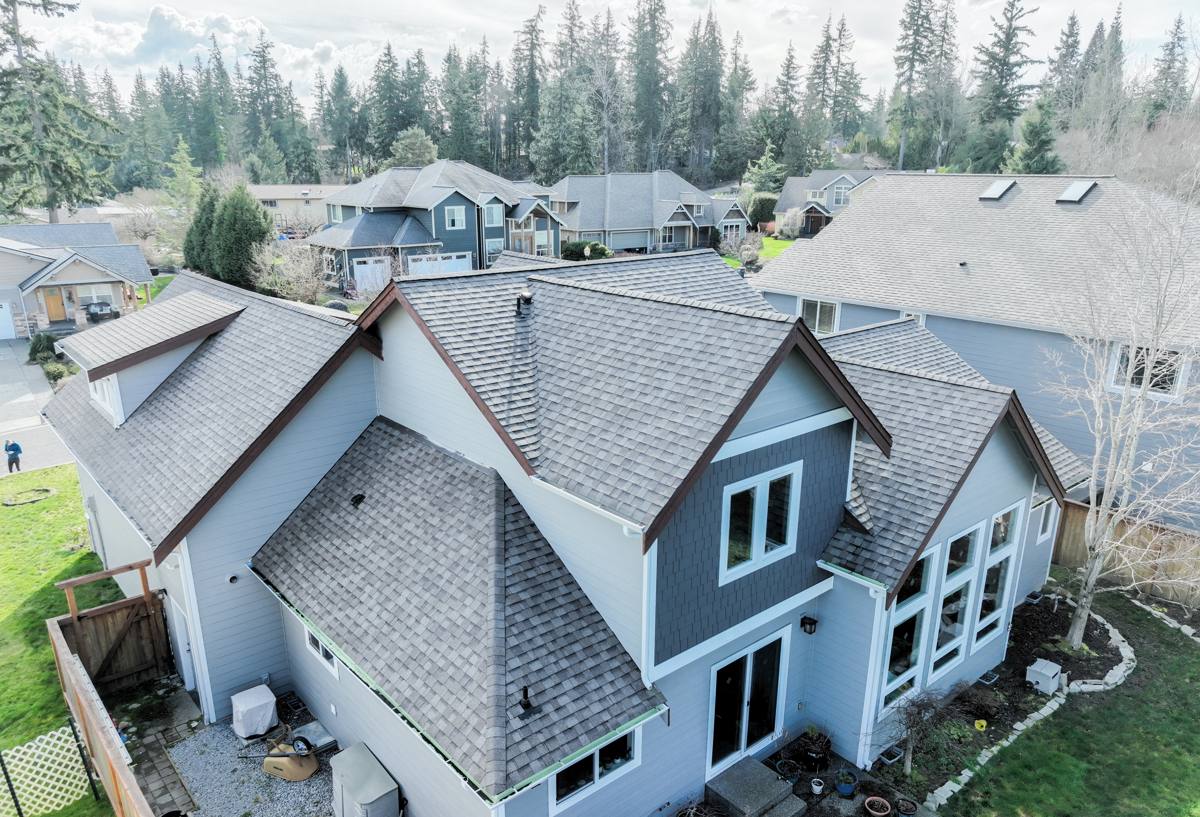
What Local Homes Are Actually Up Against
A few climate factors show up again and again on siding jobs in this part of Florida:
- Salt-laden air: Even a few miles inland from the coast, airborne salt accelerates corrosion of fasteners, trim metal, and lower-quality siding substrates over time.
- Sustained, intense UV: Florida sun breaks down paint and pigment faster than almost anywhere else in the country, which shows up as fading, chalking, and premature peeling on siding that wasn't factory-finished for it.
- Wind-driven rain: Storms here don't just rain down, they push water sideways into laps, seams, and butt joints. Any gap in flashing or caulking becomes an entry point.
- Hurricane-force wind loads: Siding has to stay fastened and intact under real wind pressure, not just look good on a calm day.
- Humidity and moisture cycling: Constant humidity means siding that traps or absorbs moisture stays wet longer, which is exactly the condition that leads to rot, mold, and substrate failure.
None of this is unique to Nokomis specifically — it's the reality across coastal Sarasota County — but it's worth naming plainly because it explains every decision we make about product and installation method on these homes.
Why We Standardized on James Hardie
James Hardie fiber cement is manufactured from cement, sand, and cellulose fiber, which makes it non-combustible and dimensionally stable in a way that wood-based and vinyl products simply aren't. It doesn't expand and contract with humidity the way wood does, it doesn't soften or warp in sustained heat the way vinyl can, and it holds paint and factory finish far longer under intense UV exposure.
James Hardie also engineers specific product lines for different climate zones through its HZ5 designation, which is built for the wind, moisture, and humidity profile of hot, wet, coastal-adjacent regions like ours. That's a meaningful distinction — it means the product installed on a Nokomis home has been engineered for this exact set of conditions, not adapted from a version made for a drier or colder market.
We don't install LP SmartSide, vinyl siding, Cemplank, Allura, or unfinished primed wood products like spruce or cedar. Each of those has a legitimate place somewhere in the industry, but for this climate specifically, we've made a professional call: the long-term maintenance burden, moisture sensitivity, or finish durability trade-offs aren't ones we're willing to put our name behind here. James Hardie, installed correctly, is what we've settled on as the product we can stand behind for a Nokomis home's siding system.
ColorPlus Finish in This Light
James Hardie's ColorPlus factory finish is baked on in a controlled environment rather than field-applied, which produces a more consistent, UV-resistant finish than most job-site paint jobs can match. In a region with Sarasota County's sun exposure, that difference compounds over years — a factory finish holds its color and sheen longer, and it comes backed by its own finish warranty separate from the substrate warranty. For a Nokomis home, where sun exposure is a daily constant rather than a seasonal event, that finish durability is not a cosmetic afterthought — it's one of the main reasons the product performs here.
What a Correct Installation Involves
Fiber cement siding is only as good as the installation behind it. A rushed or improper install can undercut even the best product, and in a wind-and-rain climate like this one, the details matter more than usual.
| Installation Detail | Why It Matters in Nokomis |
|---|---|
| Proper clearance from grade, roofline, and decks | Keeps siding from sitting in standing moisture or splash-back during heavy rain events |
| Correct fastener type and spacing | Stainless or coated fasteners resist salt-air corrosion; correct spacing keeps panels secure under wind load |
| Flashing at every penetration and transition | Wind-driven rain finds any gap around windows, doors, and trim intersections |
| Manufacturer-specified caulking and sealant use | Over-caulking or under-caulking both cause long-term failures in a wet, humid climate |
| Proper panel overlap and joint treatment | Prevents water intrusion at butt joints during sideways rain |
| Rainscreen or drainage plane where applicable | Lets any moisture that does get behind the siding dry out instead of sitting against the wall |
Every one of these is a step where corners can be cut without showing up as a visible problem for a year or two — which is exactly why installation experience in this specific climate matters as much as the product choice itself.
Our Process for a Nokomis Siding Job
- On-site assessment: We look at your home's current siding or substrate condition, exposure to prevailing wind and sun, drainage around the foundation, and any trouble spots like window returns or roof-wall intersections.
- Product and color selection: We walk through James Hardie's HZ5 product lines and ColorPlus color options so you can choose the right plank profile and finish for your home's style and sun exposure.
- Removal and substrate check: Old siding comes off and we inspect the sheathing underneath for any hidden moisture damage before new material goes up — this is often where problems from a prior installation surface.
- Installation to manufacturer spec: Flashing, fastening, clearances, and joint treatment are done to James Hardie's published installation requirements, not shortcuts.
- Final walkthrough: We go over the finished job with you, including care and maintenance basics specific to your home's exposure.
Comparing the Alternatives
Homeowners in Nokomis often ask why we won't quote vinyl or engineered wood siding alongside Hardie. Here's the honest comparison:
| Material | Where It Falls Short Here | What We Install Instead |
|---|---|---|
| Vinyl siding | Can soften, warp, or fade under sustained Florida heat and UV; limited wind rating in some profiles | James Hardie HZ5 lap or panel siding |
| LP SmartSide / engineered wood | Wood-based substrate is more moisture-sensitive in high-humidity, storm-driven-rain conditions | James Hardie fiber cement |
| Primed cedar or spruce | Requires ongoing repainting and sealing to resist rot in this climate; highest long-term maintenance burden | James Hardie with factory ColorPlus finish |
| Cemplank / Allura fiber cement | Similar base material to Hardie, but we've standardized on one manufacturer for consistent installation specs, warranty structure, and finish quality control | James Hardie |
Maintenance That Actually Extends the Life of Your Siding
James Hardie siding is low-maintenance compared to wood or vinyl, but "low-maintenance" doesn't mean "no maintenance," especially this close to the Gulf. A short annual routine goes a long way:
- Rinse siding periodically to remove salt residue and airborne grime buildup
- Inspect caulking at joints, windows, and trim once a year and touch up as needed
- Check for any siding that's come loose or shifted after a major storm
- Keep gutters clear so water isn't sheeting down the face of the siding
- Trim back vegetation that holds moisture against exterior walls
None of this is difficult or expensive, but skipping it is how avoidable problems turn into bigger repairs down the road.
Why Local Installation Experience Matters
A crew that already works in Nokomis and the surrounding Sarasota County coastal communities knows the wind exposure patterns, the drainage quirks of the local building stock, and the specific spots — roof-wall intersections, window returns, ground-level clearance — where wind-driven rain and salt air cause the most trouble. That local knowledge doesn't replace manufacturer specs, but it does mean fewer surprises during the job and a finished install that's actually built for the conditions your home faces every year, not a generic install done the same way it would be in a dry inland market.
If you're weighing a siding replacement or repair on a Nokomis home, we're glad to walk the property with you and talk through what your home specifically needs. Reach out for a free, no-pressure estimate using the form below.