 Sarasota Window
 Deck Repair Built for Laurel Park's Coastal Climate
Laurel Park is one of Sarasota's older, tree-shaded neighborhoods, tucked close enough to downtown and the bay that its homes feel every mood swing of the Gulf Coast climate. That mix of mature oak canopy, humid air, and proximity to the water is great for curb appeal and rough on wood and hardware. A deck here does more work than a deck sitting inland — it deals with salt-laden air, long stretches of intense UV, sudden wind-driven rain, and the occasional direct hit from a tropical system. Repairing a deck in this neighborhood isn't just patching boards; it's addressing the specific ways Sarasota's climate attacks a structure over time.
We work on decks throughout Sarasota and Sarasota County, but Laurel Park's combination of older homes, shaded lots, and coastal exposure makes it its own category of repair work. Understanding that context up front is what separates a repair that lasts from one that's back on your to-do list in two years.
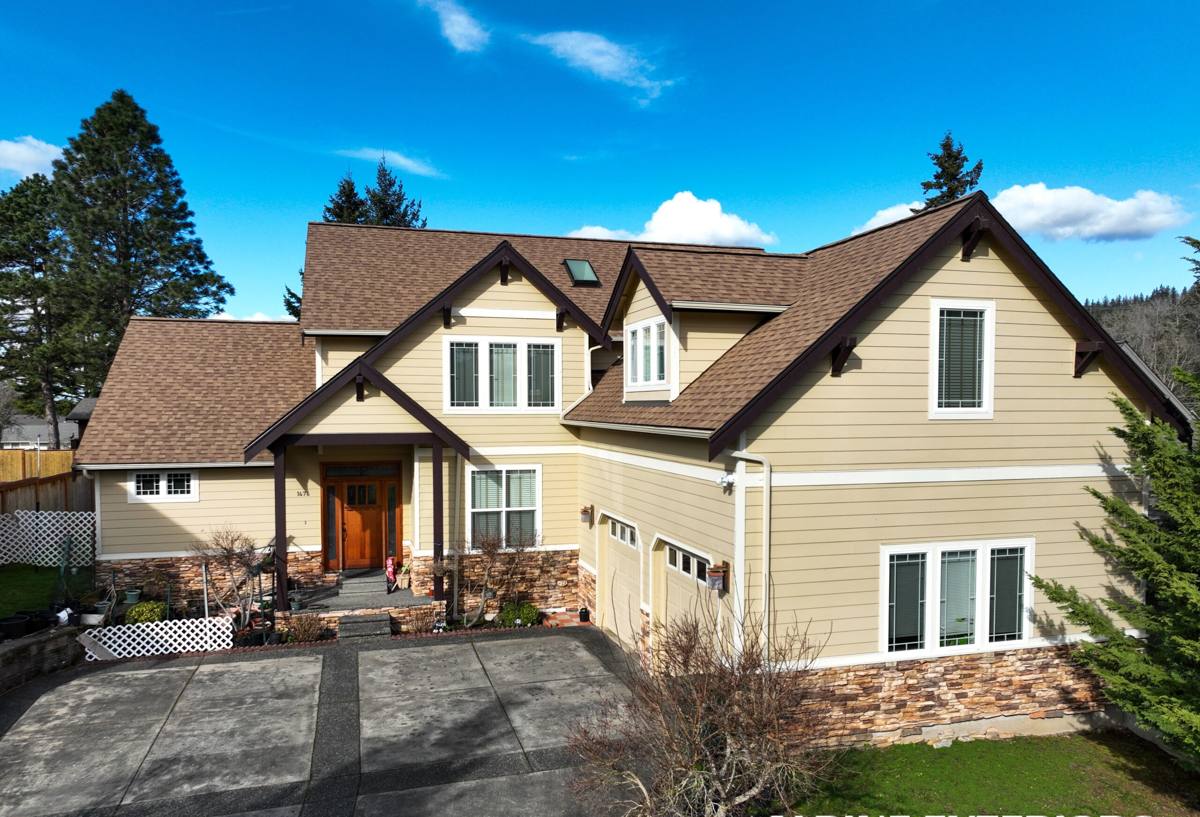
What the Climate Actually Does to a Deck
Heat and UV
Florida sun breaks down the lignin in wood fibers and dries out the oils that keep boards flexible. Over time this shows up as graying, splintering, and surface checking — small cracks that run with the grain. On composite decking, prolonged UV exposure can fade color and, on lower-quality boards, cause the surface to become brittle.
Wind-Driven Rain and Humidity
Sarasota doesn't just get rain — it gets rain pushed sideways by wind, which drives moisture into end grain, fastener holes, and any gap where boards meet framing. Combined with our humidity, that moisture rarely gets a chance to fully dry out between storms, which is exactly the condition that leads to rot, mold, and swelling.
Salt Air
Being close to Sarasota Bay and the Gulf means airborne salt settles on everything, including deck hardware. Salt accelerates corrosion in fasteners, brackets, and connectors — often long before the wood or decking itself shows obvious damage. A deck can look fine on the surface while its structural hardware is quietly failing underneath.
Hurricane-Force Wind
Sarasota County sits squarely in hurricane country. High wind doesn't just threaten the roof — it puts lateral and uplift stress on deck ledger connections, railings, and stair stringers. A deck that's already weakened by rot or corroded fasteners is far more likely to fail structurally during a major wind event.
Signs Your Deck Needs Repair — Not Just a Cleaning
Some deck problems are cosmetic. Others are structural and shouldn't wait. Here's what we look for, and what you should too:
- Soft, spongy, or bouncy spots when you walk across the deck
- Boards that have visibly cupped, crowned, or split along the grain
- Rust streaks or crumbling around screws, nails, or metal connectors
- Gaps or movement where the deck attaches to the house (the ledger board)
- Wobbly, loose, or leaning railings and posts
- Visible daylight or gaps where support posts meet footings
- A musty smell or dark staining underneath the deck, suggesting trapped moisture
- Stairs that flex, creak, or feel uneven underfoot
Any of the first six items on that list can point to a structural issue, not just a cosmetic one. Surface graying or minor splintering is normal wear; a spongy joist or a rusted-through bracket is a safety issue that should be addressed before it gets worse.
What a Correct Deck Repair Actually Involves
A repair that only replaces what's visibly broken often misses what's actually causing the damage. Our approach starts below the decking, not on top of it.
Structural Inspection First
Before replacing a single board, we check the framing: joists, beams, the ledger board connection to the house, post footings, and all structural hardware. In a humid, salt-air environment, hidden problems in the framing are common even when the decking surface still looks acceptable.
Fasteners and Connectors
This is where a lot of repairs go wrong if it's skipped. Standard fasteners corrode fast this close to the coast. We use corrosion-resistant, coastal-rated fasteners and connectors appropriate for the wood or composite being installed, matched to avoid galvanic reactions between dissimilar metals — a detail that matters more here than it would inland.
Ledger Board and Attachment Points
The ledger board is the single point where most deck failures originate, especially in wind events. We check for proper flashing, correct fastening pattern, and signs of moisture intrusion where the deck meets the house structure.
Decking, Railings, and Stairs
Only after the structure is confirmed sound do we address the visible surface — replacing damaged boards, resecuring or rebuilding railings to current code height and spacing, and repairing stair stringers so they carry weight evenly.
Wood vs. Composite: Repair Considerations
What your deck is made of changes how we approach the repair. Neither material is "better" across the board — each comes with trade-offs worth understanding before you decide how to fix or upgrade it.
| Factor | Wood Decking Repair | Composite Decking Repair |
|---|---|---|
| Typical repair cost | Generally lower per board | Generally higher per board |
| Moisture sensitivity | Higher — prone to rot if not sealed/maintained | Lower surface absorption, but core can trap moisture if damaged |
| UV fading | Grays over time, refinishable | Some fading possible, not refinishable |
| Maintenance needed | Periodic sealing/staining | Occasional cleaning, less frequent maintenance |
| Matching old to new | Easier to blend with weathering/staining | Can be harder to match faded older boards exactly |
| Structural framing underneath | Usually wood, same repair rules apply | Usually wood framing regardless of decking surface |
Worth noting: no matter what the decking surface is made of, the framing underneath is almost always wood, and it's subject to the same moisture and fastener concerns either way. Upgrading the surface without addressing the framing underneath is a common shortcut we don't recommend.
Our Deck Repair Process
- On-site assessment. We inspect the full structure — framing, ledger connection, fasteners, decking, railings, and stairs — not just the areas you flagged as concerning.
- Written scope and estimate. You get a clear breakdown of what's structural, what's cosmetic, and what your realistic options are, including repair-versus-replace guidance where it applies.
- Permitting where required. Structural deck repairs in Sarasota County often require permitting — we handle that process rather than leaving it on you.
- Repair work. Structural issues are corrected first — framing, connections, and hardware — followed by decking, railings, and stairs.
- Final walkthrough. We check the deck is solid, level, and code-compliant before calling the job done.
Permits, Codes, and Older Neighborhoods
Laurel Park's homes tend to be established properties, and older decks were sometimes built under different code standards than what's required today — particularly around railing height, baluster spacing, and stair geometry. When we repair a deck, we bring those elements up to current code as part of the work, not as an upsell. Depending on the scope, Sarasota County or the City of Sarasota may require a permit for structural deck repair; we sort that out as part of the process rather than leaving you to figure it out. If your property carries any deed restrictions or neighborhood guidelines, it's worth checking those before major work begins — we're happy to work around whatever requirements apply to your property.
Maintaining Your Deck After the Repair
A good repair should buy you years, not months, if it's followed by basic upkeep suited to our climate:
- Rinse off salt residue and debris periodically, especially after storms
- Reseal or restain wood decking on a regular schedule rather than waiting until it looks gray and dry
- Check fasteners and connectors annually for early rust or looseness
- Keep gutters and downspouts clear so runoff doesn't pool near posts and footings
- Trim back overhanging tree canopy where it keeps the deck surface damp and shaded year-round
Shade from mature trees, common throughout Laurel Park, is a mixed blessing — it keeps the deck cooler but also keeps moisture around longer after rain, which is worth factoring into your maintenance schedule.
Why Hire a Crew That Already Works in Laurel Park
A repair crew that's worked in this specific neighborhood already knows what to expect: the age range of the homes, the way tree cover affects moisture retention, the permitting process with the local jurisdiction, and how coastal exposure shows up differently here than it does further inland. That familiarity means fewer surprises mid-project and a repair scoped correctly the first time, rather than a generic fix that doesn't account for what Sarasota's climate actually does to a structure.
If your deck in Laurel Park is showing wear, soft spots, rust, or just needs an honest second opinion, we're glad to take a look. Reach out for a free, no-pressure estimate — the form below gets you started.