 Sarasota Window
 Siding Replacement in Laurel Park: Built for This Climate, Not Just Any Climate
Laurel Park is one of Sarasota's older in-town neighborhoods, with a mix of vintage bungalows, mid-century cottages, and newer infill homes tucked under a mature tree canopy just minutes from downtown and the bayfront. That character is part of what makes the neighborhood desirable — but it also means a lot of the housing stock is carrying siding that was never engineered for what Sarasota County throws at it decade after decade: intense UV, wind-driven rain, salt-laden air, and the occasional direct hit from a tropical system. Siding replacement here isn't a cosmetic upgrade. It's a chance to correct decades-old moisture and material problems that generic siding advice doesn't address.
This page is specifically about siding replacement for Laurel Park homes — what the local climate demands, what a correct job actually looks like, and why the crew doing the work matters as much as the material going on the wall.
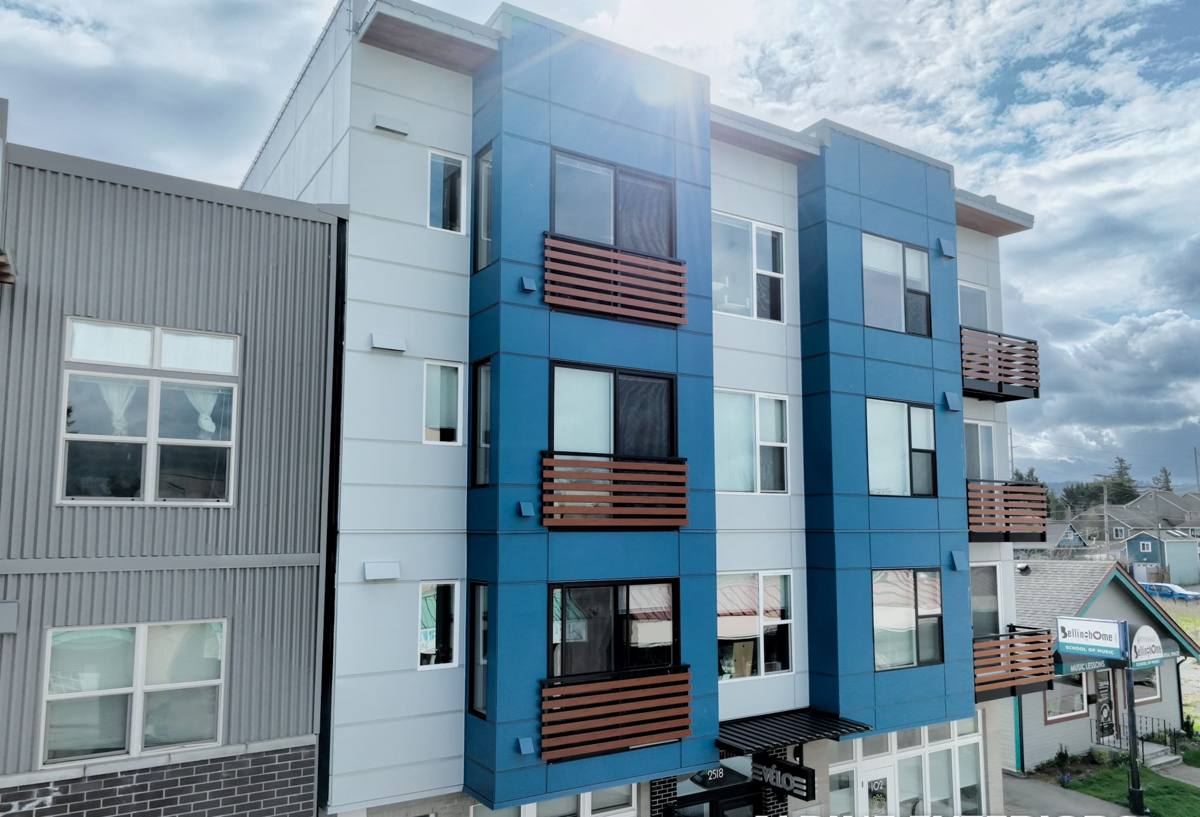
Why Laurel Park Homes Wear Out Siding Faster
Intense, Year-Round UV
Sarasota gets strong, direct sun essentially twelve months a year. On older homes, that UV load bakes paint film until it chalks, fades, and cracks, especially on south- and west-facing walls that get the harshest afternoon exposure. Once the paint film fails, whatever's underneath — old wood siding, aging fiber cement, or a previous vinyl installation — is exposed to moisture with no protective layer left.
Wind-Driven Rain and Humidity
Rain in this area rarely falls straight down. Afternoon storms and tropical systems push rain sideways, driving it into laps, seams, and butt joints that were fine in a drier climate but become entry points here. Combine that with Sarasota's year-round humidity and any siding system without a proper drainage plane behind it stays damp longer than it should, which is exactly the condition that rots sheathing and trim.
Salt Air Corrosion
Laurel Park's proximity to Sarasota Bay and the Gulf means salt is in the air even away from the immediate waterfront. Salt accelerates corrosion of fasteners, flashing, and any metal trim components, and it degrades certain siding materials and finishes faster than manufacturers' general climate testing accounts for.
Hurricane-Force Wind Loads
Sarasota County sits squarely in a hurricane-exposed part of the Gulf Coast. Siding here has to be rated and fastened for real wind-uplift and impact conditions, not just installed to a minimum national code baseline. A siding job that looks fine in a calm year can fail during the first serious storm if it wasn't installed with local wind requirements in mind.
What a Correct Siding Replacement Involves
Full Tear-Off and Sheathing Inspection
Replacing siding correctly starts with removing the old material entirely — not installing over it — so the sheathing underneath can be inspected. On many Laurel Park homes, this is where rot, insect damage, or old moisture staining from years of hidden leaks first becomes visible. Any compromised sheathing or framing needs to be repaired before a single new panel goes up; skipping this step just seals the problem back inside the wall.
Moisture Management Behind the Siding
A correctly built wall assembly includes a weather-resistive barrier and properly lapped and taped seams so that any water that gets past the siding has somewhere to drain, rather than pooling against the sheathing. This detail matters more in Sarasota than in drier climates, and it's one of the most common things skipped or done poorly on lower-quality installs.
Fastening and Flashing to Code
Every window, door, corner, and penetration needs flashing that directs water outward, and every fastener needs to be the right type, length, and spacing for the wind zone. This is detail work — it doesn't show up in a finished photo, but it's the difference between siding that survives a decade of storms and siding that starts failing at the first big blow.
Choosing a Product Engineered for This Climate
Not every siding product on the market was designed with Gulf Coast humidity, salt exposure, and hurricane wind zones in mind. Part of doing this job correctly is starting with a material that can actually hold up to those conditions long-term, not just one that's inexpensive or fast to install.
Why We Install Only James Hardie Fiber Cement Siding
We standardized on James Hardie fiber cement for every home we side, including in Laurel Park, because it's built to handle exactly the conditions described above. It's non-combustible, which matters for a state with real wildfire and storm-related fire risk. Hardie's ColorPlus factory-applied finish is baked on and warranted against fading and peeling far beyond what field-applied paint typically holds up under Sarasota's UV load. And Hardie's HZ5 product line is specifically engineered for high-humidity, hurricane-prone climates like this one — thicker, denser, and rated for the wind and moisture exposure Sarasota County sees regularly.
We don't install vinyl, LP SmartSide, Cemplank, Allura, or bare wood siding, and we're upfront about why: each of those products comes with a real trade-off in this specific climate, whether it's heat distortion, moisture sensitivity, ongoing maintenance, or a warranty structure that doesn't hold up the way homeowners expect. Fiber cement done right, with correct installation, is what we've found actually lasts on homes like the ones in Laurel Park.
Our Process for a Laurel Park Siding Replacement
Assessment and Proposal
We start with an on-site inspection of the existing siding, trim, and any visible signs of moisture intrusion, then walk you through what we find and what a correct scope of work looks like for your home specifically — not a generic package.
Preparation and Protection
Before removal begins, we protect landscaping, walkways, and adjacent surfaces. Laurel Park's mature trees and tighter lot setbacks common to older in-town neighborhoods mean staging and material handling take a bit more planning than a wide-open suburban lot, and we plan for that up front rather than improvising.
Installation
Full tear-off, sheathing repair where needed, correct weather-barrier installation, and Hardie siding installed to manufacturer fastening and clearance specifications — including proper flashing at every window, door, and penetration.
Final Walkthrough and Cleanup
We do a final walkthrough with you to check trim lines, caulking, and paint touch-up before we consider the job finished, and we clear the site of old material and debris.
What Siding Replacement Costs Depend On
Every home is different, but these are the factors that most often move the price of a siding replacement in this neighborhood up or down:
| Cost Factor | Why It Matters in Laurel Park | Typical Impact |
|---|---|---|
| Age and condition of existing siding | Older bungalows and mid-century homes often have hidden rot or multiple past repairs to remove first | Can add sheathing repair costs once walls are opened up |
| Home size and wall complexity | Older homes often have more trim detail, dormers, and corners than a simple modern facade | More linear footage of trim and flashing work |
| Access and lot layout | Mature trees, tighter setbacks, and closer neighboring homes affect staging and material handling | May require more labor time for careful removal and setup |
| Extent of moisture damage found | Coastal humidity and wind-driven rain make hidden sheathing damage common on older siding | Repair scope is confirmed only after tear-off |
| Siding profile selected | Lap, shingle, and board-and-batten Hardie profiles all have different material and labor costs | Profile choice affects both price and final appearance |
We give you real numbers after the on-site inspection, not a phone estimate — hidden damage on older homes is common enough that a firm quote before we've seen the walls isn't an honest one.
Signs Your Laurel Park Home Needs Siding Replacement Now
A few warning signs are worth acting on before they turn into a bigger repair:
- Paint that's chalking, peeling, or fading unevenly, especially on south- or west-facing walls
- Soft or spongy spots when you press on the siding, particularly near the bottom edges or under windows
- Visible warping, buckling, or gaps opening up at seams and corners
- Persistent staining or discoloration that keeps returning after cleaning or repainting
- Rising energy bills that suggest the wall assembly is no longer keeping conditioned air in
- Siding that was already old when you bought the home and has an unclear repair or replacement history
Why Hiring a Crew That Already Works Laurel Park Matters
Older in-town neighborhoods like Laurel Park have their own quirks — narrower lots, mature landscaping to work around, a mix of home ages and construction types, and in some cases historic-district or neighborhood association considerations for exterior changes. A crew that's already worked in the area knows how to plan around tree canopy and tight staging areas, has a realistic sense of what's commonly found once older siding comes off, and isn't guessing at what Sarasota County's wind and moisture conditions actually require. That familiarity shows up in fewer surprises and a smoother project for you.
Ready to Talk About Your Siding?
If your Laurel Park home's siding is showing its age, or you just want an honest read on its condition, we're glad to take a look. Reach out for a free, no-pressure estimate using the form below — we'll walk the property with you and tell you plainly what we see and what we'd recommend.