 Sarasota Window
 Why Longboat Key Siding Has to Work Harder Than Most
Longboat Key sits out on a barrier island between the Gulf of Mexico and Sarasota Bay, which means every home here takes on a combination of stresses that inland Sarasota County properties simply don't see to the same degree. Salt-laden air moves through the area constantly, not just during storms. UV exposure is intense and year-round, not seasonal. And when a tropical system or a strong summer squall rolls through, wind-driven rain gets forced sideways into every seam, joint, and fastener point on the exterior of a house. Siding on Longboat Key isn't just a cosmetic layer — it's the first line of defense against a climate that doesn't let up.
That's the lens we use when we talk to Longboat Key homeowners about siding. We don't sell a generic product and hope it holds up. We install James Hardie fiber cement siding specifically because its engineering matches what this island actually demands, and we install it the way Hardie's own specifications require — because on a barrier island, sloppy installation shows up as a problem much faster than it would forty minutes inland.
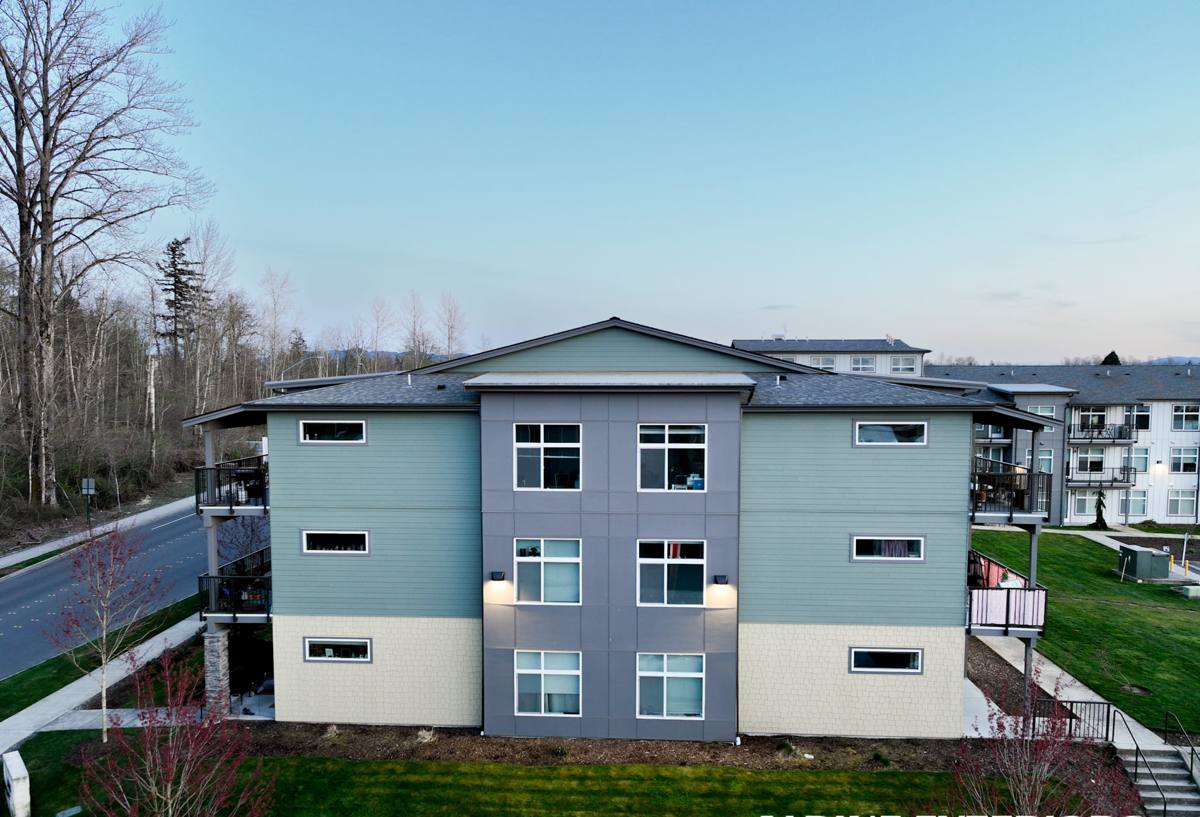
What Salt Air, Wind, and UV Actually Do to Siding Over Time
Salt Air and Corrosion
Airborne salt doesn't just sit on a surface — it works into fasteners, trim joints, and any exposed edge where two materials meet. Metal components that aren't rated for coastal exposure corrode faster here than almost anywhere else in Florida. Siding materials that rely on paint film alone for protection tend to chalk, fade, and lose their seal years ahead of schedule in this environment.
Wind-Driven Rain
Longboat Key doesn't need a hurricane to get punishing wind-driven rain. Even a strong afternoon storm off the Gulf can push water horizontally into siding laps, corner boards, and window trim. If a siding system isn't installed with the right overlaps, flashing, and fastening pattern, water finds its way behind the cladding and into the wall assembly — where damage happens quietly, often for years, before it's visible from the outside.
Constant UV Load
Florida's UV index runs high nearly all year on the coast. Siding finishes that aren't formulated for this level of exposure fade unevenly, become brittle, or start to crack at seams and fastener heads well before a homeowner expects to think about replacement.
Why We Standardized on James Hardie for Homes Like Yours
We made a deliberate decision as a company to install James Hardie fiber cement exclusively — not vinyl, not LP SmartSide, not primed wood products. That's not a marketing angle; it's a professional standard we hold ourselves to because of what we've seen these products do (and not do) in coastal Florida conditions over time.
- Non-combustible core: Hardie's fiber cement composition doesn't feed a fire the way wood-based or wood-fiber products can, which matters for both safety and insurance considerations.
- Engineered for humidity and moisture cycling: Fiber cement doesn't swell, rot, or delaminate the way wood-based siding can when it takes on repeated moisture exposure — a real concern on an island where humidity rarely lets up.
- ColorPlus factory finish: Rather than relying on job-site paint alone, Hardie's ColorPlus finish is baked on in a controlled factory process, giving it better UV and fade resistance than field-applied paint, along with a finish-specific warranty.
- Climate-specific product engineering: Hardie builds regional formulations (their HZ5 line, for example) specifically for high-humidity, high-moisture climates like ours, rather than a one-size-fits-all product.
- Long track record in coastal markets: Fiber cement siding has been used on Gulf Coast homes for decades, giving us and the industry real long-term performance data — not just marketing claims.
We're upfront that Hardie siding costs more up front than vinyl and is priced comparably to or above some wood-alternative products. We think that's the right trade for a barrier island home, where the cost of doing an exterior twice is far higher than the cost of doing it right once.
Where Longboat Key Homes See the Difference
Vinyl siding softens and can distort in the kind of sustained heat Longboat Key sees, and it's more vulnerable to cracking under wind-borne debris impact. Primed wood or engineered wood products need more diligent maintenance to keep moisture out at cut edges and seams — a maintenance burden that's harder to keep up with in a climate this humid. Hardie's fiber cement composition and factory finish are built to hold their shape, color, and seal against exactly these stresses, which is the core reason it's what we put on homes in this area.
Comparing Siding Options for Barrier Island Conditions
| Factor | James Hardie Fiber Cement | Vinyl Siding | Wood / Engineered Wood |
|---|---|---|---|
| Salt air resistance | Strong — non-organic composition, factory finish | Moderate — can chalk and fade faster in coastal salt exposure | Weaker — moisture and salt accelerate deterioration at edges |
| Wind-driven rain performance | Strong when installed to spec with correct flashing and laps | Moderate — panels can flex or loosen in high wind | Depends heavily on maintenance and sealing upkeep |
| UV / fade resistance | Strong — ColorPlus factory-baked finish | Moderate — color is through-body but can chalk over time | Weaker — field-applied paint fades and needs recoating |
| Fire performance | Non-combustible core | Combustible | Combustible |
| Long-term maintenance | Low — periodic caulk/paint touch-up only | Low but limited repair options if damaged | Higher — regular repainting and moisture inspection needed |
What a Correct Longboat Key Installation Actually Involves
The siding material is only half the equation. On an island where wind and rain get pushed sideways into a home, the installation details are what separate a system that performs for decades from one that fails early. A correct James Hardie install on Longboat Key includes:
Substrate and Moisture Barrier Prep
Before a single plank goes up, the wall needs a proper weather-resistive barrier, correctly lapped and sealed at every penetration. Any existing damage to sheathing has to be addressed first — installing new siding over a compromised substrate just hides a problem rather than fixing it.
Fastening to Hardie's Coastal Specifications
Fastener type, spacing, and penetration depth all matter, and Hardie publishes specific requirements for high-wind zones. Using corrosion-resistant fasteners at the correct spacing is non-negotiable this close to the Gulf — standard fasteners corrode faster and compromise the whole system's wind rating.
Flashing at Every Transition
Windows, doors, corner boards, and any roof-to-wall transition are where wind-driven rain finds its way in. Correct step flashing, head flashing, and kick-out flashing at these points is what actually keeps water out — the siding itself is the last line of defense, not the first.
Proper Joint and Seam Treatment
Butt joints and seams need to be treated with the right sealant and gapping per Hardie's guidelines, accounting for the material's expansion and contraction in Florida's heat.
Our Process for Longboat Key Projects
- On-site assessment: We inspect the current siding, trim, and substrate condition, and check for any moisture intrusion or damage that needs to be addressed before new siding goes on.
- Product and color selection: We walk through Hardie's plank profiles, textures, and ColorPlus color options so the finished look fits the home and the island's aesthetic.
- Detailed scope and estimate: You get a clear written scope covering material, flashing details, fastening approach, and timeline — no vague allowances.
- Installation to Hardie's coastal specifications: Our crews follow manufacturer requirements for high-wind, high-moisture zones, not generic siding practices.
- Final walkthrough: We review the completed work with you before considering the job done.
Why Local Experience on Longboat Key Specifically Matters
Barrier island work is different from mainland Sarasota County work in ways that matter to the outcome. Access can be more limited, staging materials takes more planning, and the exposure conditions are simply more severe than a few miles inland. A crew that regularly works Longboat Key already understands the wind and moisture realities here and builds their installation approach around them by default, rather than treating it as a special case. That familiarity shows up in details a homeowner may never think to ask about — flashing choices, fastener selection, and how seams are handled — but that determine how the siding performs during the next major storm.
It also matters for something more practical: knowing what correct wind-rated installation looks like on this specific island means fewer surprises during permitting and inspection, and a finished product that's actually built for where it sits, not just siding that looks fine on the day it goes up.
Signs Longboat Key Homeowners Shouldn't Ignore
- Visible cracking, warping, or bubbling at siding seams or corners
- Soft or spongy spots when pressing on siding near the base of the wall
- Persistent staining or streaking that doesn't wash off
- Paint or finish that's chalking heavily or peeling in sheets
- Gaps opening up around window and door trim
- Any musty smell or interior wall staining near exterior walls
Any of these can indicate moisture has already gotten behind the siding, which on an island property tends to progress faster than it would inland. Catching it early keeps a siding project a planned upgrade rather than an emergency repair.
What This Costs to Do Right
Every Longboat Key home is different — square footage, existing substrate condition, trim detail, and story height all affect the scope. We won't quote a number without seeing the property, but we're happy to walk through the cost factors and product options during an on-site visit so you understand exactly what you're paying for and why.
If you're considering siding work on a Longboat Key home, we'll come take a look, walk you through what your home's exposure actually calls for, and give you a straightforward, no-pressure estimate using the form below.