 Sarasota Window
 Longboat Key Roofs Take a Different Kind of Beating
Longboat Key sits out on a barrier island between the Gulf of Mexico and Sarasota Bay, which means every roof out here deals with a harsher mix of conditions than a roof ten miles inland. Hurricane-force wind gusts, wind-driven rain that gets pushed sideways under edges and flashing, salt-laden air that accelerates corrosion on fasteners and metal components, and near-constant, intense Florida UV exposure all work on a roof at the same time, year after year. Any one of these on its own is manageable. Together, they're why storm damage on Longboat Key tends to show up faster and spread further than it would on a similar roof further from the water.
When a storm rolls through Sarasota County, the damage isn't always obvious from the driveway. A roof can look fine from the ground and still have lifted shingles, compromised flashing, or a soaked underlayment that's already started letting water into the deck. That gap between "looks okay" and "is okay" is where a lot of expensive, avoidable damage happens.
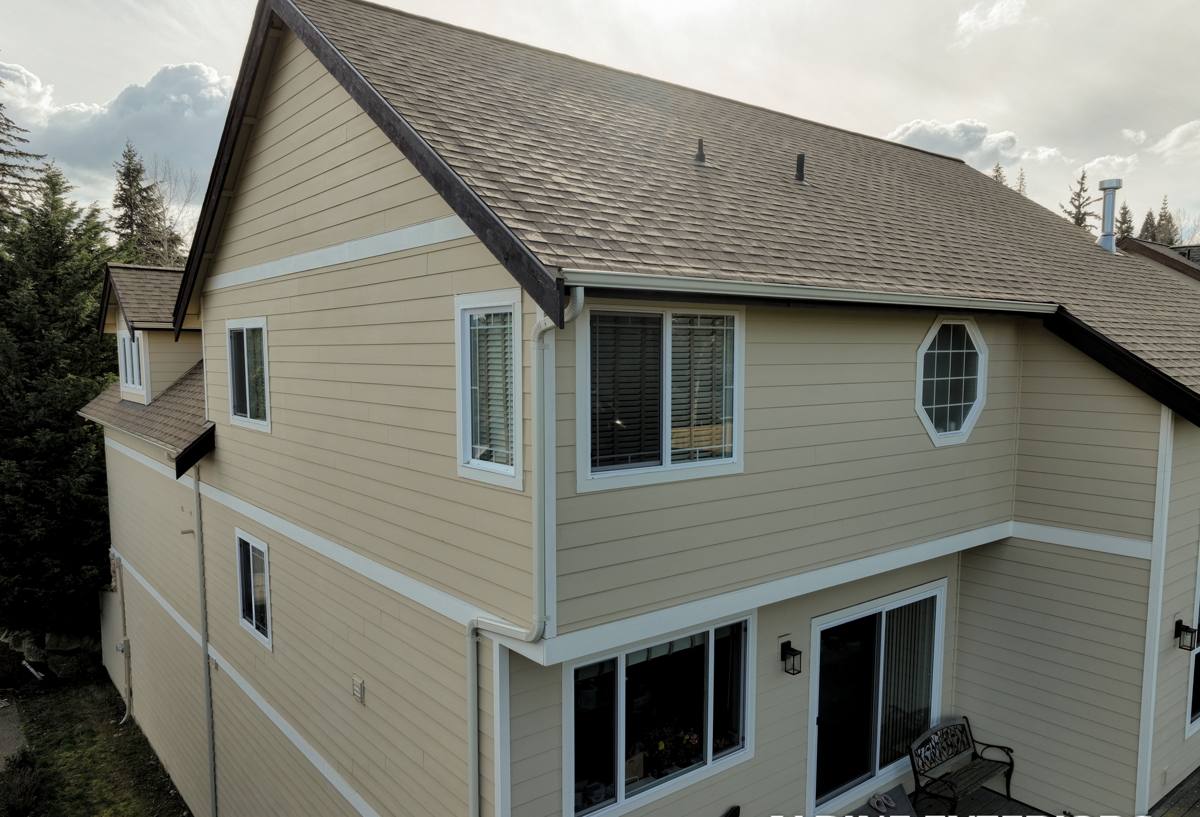
What Actually Counts as Storm Damage
Storm damage covers more than missing shingles. On barrier island homes we typically see a mix of the following after a significant wind or rain event:
- Shingles or tiles lifted, cracked, or torn loose by wind uplift, even when they haven't blown off entirely
- Flashing pulled away or bent at chimneys, skylights, walls, and roof-to-wall transitions, opening a path for water
- Soffit and fascia damage from wind pressure or wind-borne debris
- Punctures or bruising from tree limbs, patio furniture, or debris carried by wind
- Saturated or torn underlayment beneath shingles that still look intact on the surface
- Granule loss on asphalt shingles from heavy, wind-driven rain, which shortens the roof's remaining service life even without visible holes
The last two are the ones homeowners miss most often, because nothing appears to be missing. A roof can pass a quick visual check and still be actively leaking into the attic.
Why Speed and Accuracy Both Matter Here
Once a roof's protective layer is compromised, the clock starts running. Sarasota's humidity means a wet attic or wet insulation doesn't just dry out on its own between rain events — it stays damp, and damp building materials are how small leaks turn into rot, stained ceilings, and mold problems. A roof with storm damage that sits unrepaired through even a couple of additional rain events, which is common in our wet season, can go from "patchable" to "needs a full section replaced" surprisingly fast.
Speed matters, but so does getting the repair right the first time. A rushed patch that doesn't correctly reintegrate flashing, underlayment, and shingle courses will often leak again in the next storm, even if it looked fine when it was finished. On a barrier island where the next tropical system is never that far off the calendar, that's not a risk worth taking.
How Our Storm Damage Repair Process Works
1. Inspection and Documentation
We start with a full roof inspection, not just a look at the obvious damage. That means checking flashing, penetrations, ridge lines, soffits, and — where accessible — the attic side for water staining or wet insulation. We document what we find with photos, which matters if you're filing an insurance claim.
2. Stabilize First, If Needed
If your roof has an active leak or exposed area, our first priority is stopping water intrusion, using proper tarping or temporary sealing so the situation doesn't get worse while the full repair is scheduled.
3. A Written Scope, Not a Guess
You get a clear explanation of what's actually damaged, what needs to be repaired versus replaced, and why. We explain the reasoning in plain terms, no pressure to upsell work that isn't needed.
4. The Repair Itself
We reintegrate new materials properly with the existing roof system — correct shingle or tile lapping, properly lapped and sealed flashing, and underlayment that ties into the surrounding field rather than just being patched over. A repair that isn't integrated into the existing system is one of the most common reasons storm patches fail in the next big blow.
5. Final Check
Before we call the job done, we walk the repair with you, confirm drainage and flashing are sound, and make sure nothing was missed.
Materials and Local Code Considerations
Sarasota County, including Longboat Key, falls within Florida's coastal wind-borne debris region under the Florida Building Code, which affects the materials and installation methods used in roof repair — things like fastening patterns, underlayment type, and how flashing is sealed against wind-driven rain. Roof repair work here often requires a permit through the local building department, and older properties or those under a homeowners' or condo association may have additional review steps. We handle the permitting and code compliance side so you don't have to sort it out yourself.
Material choice matters too. Self-adhering underlayment under critical areas like valleys, eaves, and flashing details gives real protection against wind-driven rain that standard felt underlayment doesn't. Corrosion-resistant fasteners and flashing are worth the modest extra cost this close to the Gulf, since salt air will find and exploit any weak metal faster than it would inland.
Repair or Full Replacement? How We Help You Decide
Not every storm-damaged roof needs to be replaced, and not every roof that "just needs a patch" should actually be patched. The right call depends on the roof's age, how widespread the damage is, and what condition the rest of the roofing system is in.
| Factor | Leans Toward Repair | Leans Toward Replacement |
|---|---|---|
| Roof age | Under 10-12 years, most of the roof is sound | Nearing or past expected service life |
| Damage extent | Isolated to one section or a few penetrations | Spread across multiple slopes or areas |
| Underlayment condition | Dry, intact away from the damaged area | Widespread saturation or deterioration found |
| Decking condition | Solid, no soft spots | Soft, rotted, or repeatedly wet decking |
| Prior repair history | First storm event on this roof | Multiple past patches stacking up |
We'll walk you through where your roof lands on that table and why, rather than defaulting to the more expensive option.
Working With Your Insurance Claim
If you're filing a storm damage claim, documentation is everything. Photos taken before repair work begins, a clear written scope, and an itemized estimate all help support your claim and reduce back-and-forth with the adjuster. We provide that documentation as a standard part of the process, and we're available to talk through the scope with your adjuster if questions come up about what's storm-related versus pre-existing wear.
One thing worth knowing: insurance often distinguishes between sudden storm damage and gradual wear-and-tear, and an honest contractor will be straightforward with you about which is which rather than characterizing everything as storm-related to inflate a claim. That honesty protects you — misrepresenting a claim can create real problems for a homeowner down the line.
Why a Crew That Already Works Longboat Key Matters
Barrier island work has its own logistics. Bridge access, seasonal traffic, condo association scheduling rules, and gated community procedures all affect how smoothly a repair goes. A crew that's already used to working on Longboat Key knows to build that into scheduling instead of discovering it mid-project. Familiarity with the local permitting process and the coastal code requirements that apply here also means fewer surprises and fewer delays waiting on inspections or corrections.
Just as important is material and technique choice that actually accounts for what this environment does to a roof. A repair approach copied from an inland job, without adjusting for salt exposure and wind-driven rain, tends to underperform out here even if it was done competently by trade standards elsewhere.
After the Repair: Keeping Ahead of the Next Storm
A good repair holds up longer with a little routine attention, especially in a climate that doesn't give a roof much of a break between storm seasons.
- Have your roof inspected after any named storm, even if you don't see obvious damage from the ground
- Keep gutters and downspouts clear so water isn't backing up under the roof edge during heavy rain
- Trim back tree limbs that overhang the roof to reduce debris impact risk during high wind
- Check attic ventilation periodically — poor ventilation traps heat and moisture that shortens roof life
- Address small leaks or lifted shingles promptly rather than waiting for the next storm to make the problem worse
- Keep your own photo record and any repair documentation together in case you need it for a future claim
If your Longboat Key roof took a hit in a recent storm, or you just want a straight answer on its condition before the next one arrives, we're glad to take a look. Reach out for a free, no-pressure estimate using the form below.