 Sarasota Window
 Roofing in Rosemary District: A Different Kind of Climate Test
Rosemary District sits close enough to Sarasota Bay that homes here take on the full range of what Gulf Coast weather can dish out. A roof installed on a house a few miles inland doesn't face the same combination of stresses that a roof here does. Between the salt-laden air drifting off the water, the wind loads that build up during tropical systems, and the relentless UV exposure that comes with living in Sarasota County, a roof in this neighborhood is working harder than most people realize, every single day, not just during storm season.
That's the starting point for any new roof installation here. It isn't just about laying down shingles or metal panels and moving on. It's about building an assembly — deck, underlayment, fasteners, flashing, ventilation, and covering — that's matched to the specific demands of this pocket of Sarasota. Get any one of those layers wrong and the roof's real-world lifespan can fall well short of what the product label promises.
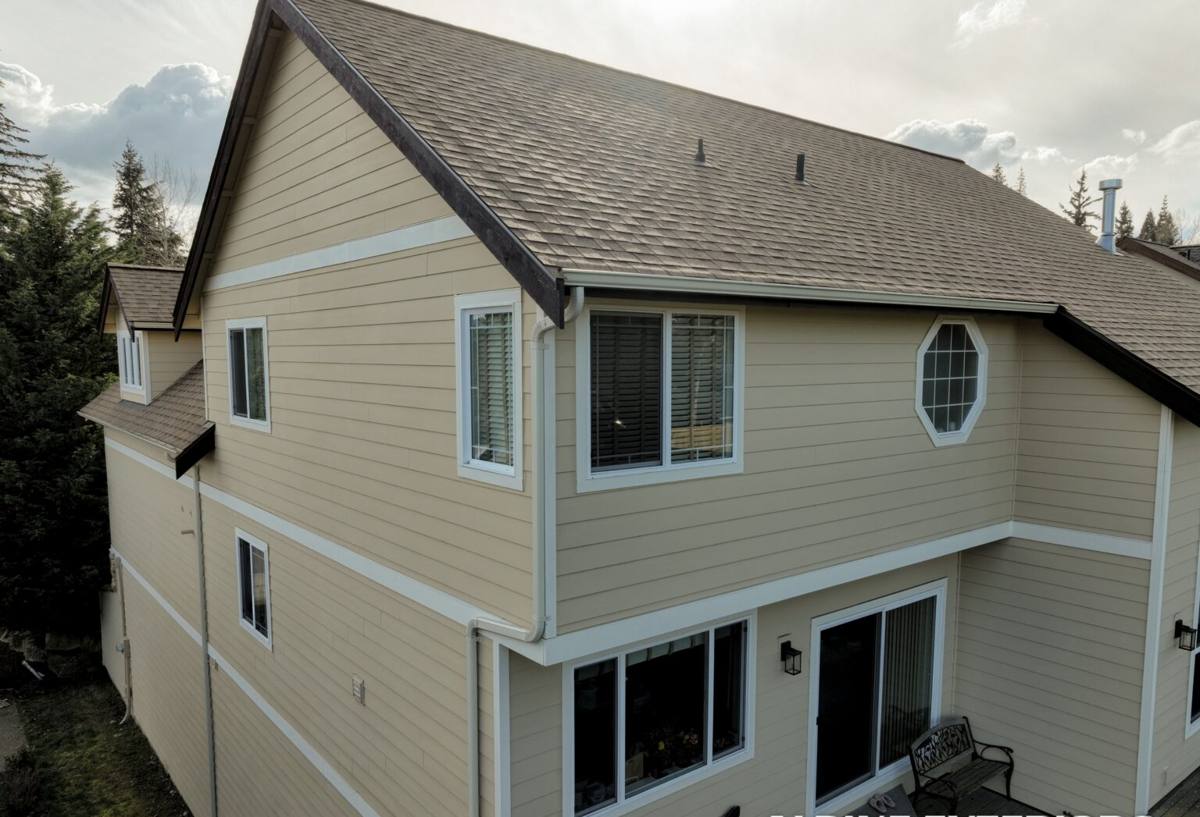
What Rosemary District Homes Actually Need From a Roof
Wind Resistance That Matches the Building Code — And Then Some
Florida's building code already asks a lot of roofing systems in wind-borne debris regions, and Sarasota County enforces those standards closely. But code minimums are a floor, not a ceiling. On a full roof replacement, we look at fastening patterns, nail or screw spacing, and underlayment attachment as a system, because a roof that's technically compliant can still underperform if the components aren't working together. Uplift failures during hurricanes usually start at an edge, a ridge, or a penetration — the details matter as much as the field of the roof.
Salt Air and Corrosion Control
Proximity to the bay means airborne salt settles on every exposed surface, including metal flashing, fasteners, and any exposed hardware on the roof. Standard fasteners can corrode faster than homeowners expect in this environment, which is why material selection for flashing, drip edge, and fastener coatings deserves real attention rather than a default spec sheet choice.
UV Durability
Central Florida sun is intense and consistent nearly year-round. UV breaks down asphalt oils, weakens sealants, and accelerates granule loss on shingles over time. A roofing system chosen for this area should have a track record of holding up under sustained UV exposure, not just a warranty that assumes a milder climate.
Wind-Driven Rain and Water Intrusion
Hurricanes and tropical storms in this region rarely bring rain straight down — it comes in sideways. That changes what "waterproof" needs to mean. Underlayment laps, flashing details around chimneys and skylights, and valley construction all need to account for water being pushed uphill or sideways under pressure, not just falling and running off.
What a Correct New Roof Installation Involves
A new roof isn't one job — it's a sequence of steps, and skipping or rushing any one of them is where most roof failures actually originate, not in the shingle or panel product itself.
- Tear-off and deck inspection. The old roofing system comes off completely so the deck underneath can be inspected. Any soft, delaminated, or water-damaged decking gets replaced before anything new goes down — covering a compromised deck just hides a problem that will resurface.
- Deck preparation and fastening check. Florida code has specific requirements for how the deck itself is fastened to the framing, since deck attachment is often the first line of defense against wind uplift. This gets verified and corrected as needed, not assumed.
- Underlayment installation. A synthetic or self-adhering underlayment goes down as the roof's secondary water barrier — the layer that protects the home if wind or debris ever compromises the outer covering during a storm.
- Flashing at every penetration and transition. Chimneys, vents, skylights, walls, and valleys all need properly formed and sealed flashing. These transition points are where the large majority of roof leaks originate, far more often than the open field of the roof.
- Ventilation review. Attic ventilation affects both the lifespan of the roofing material and the home's energy performance. An installation that doesn't address intake and exhaust balance can shorten the life of an otherwise well-installed roof.
- Installation of the roofing material. Shingles, tile, or metal panels go on according to manufacturer specifications and Florida's high-wind fastening requirements, with attention to edges, ridges, and hip lines where wind loads concentrate.
- Final inspection and cleanup. The completed roof gets inspected for consistency and proper detailing, and the property is cleaned of debris and old material.
Comparing Roofing Materials for This Neighborhood
There's no single "best" roofing material for every home — the right choice depends on the home's structure, the homeowner's budget, and how long they plan to stay in the property. Here's an honest comparison of the options most commonly used on new roof installations in this part of Sarasota County.
| Material | Typical Lifespan | Wind Performance | Maintenance Considerations |
|---|---|---|---|
| Architectural asphalt shingle | 20-30 years | Good, when installed with high-wind fastening specs | Periodic inspection of sealant and granule loss over time |
| Standing seam metal | 40-50+ years | Excellent uplift resistance with proper clip spacing | Low maintenance; watch fastener condition near coastal air |
| Concrete or clay tile | 50+ years | Strong, but individual tiles can dislodge in extreme wind | Heavier structure requirement; underlayment replacement mid-life |
| Flat/low-slope membrane (for additions or porches) | 15-25 years | Depends heavily on membrane type and seam quality | Requires periodic seam and drainage checks |
Cost varies with material, roof complexity, and deck condition, so broad ranges are more honest than a flat number pulled off a price list. Architectural shingles tend to be the most budget-friendly option upfront, metal costs more initially but spreads that cost over a much longer service life, and tile sits at the higher end due to both material and structural requirements. We walk through actual numbers for your specific roof during the estimate, because roof size, pitch, and existing conditions change the math more than the material choice alone.
Why Local Experience in Rosemary District Matters
A roofing crew that regularly works in this part of Sarasota already understands things a crew from outside the area has to learn on the fly. That includes the permitting process through Sarasota County, the specific wind-zone requirements that apply to this location, and the practical realities of working around the tighter lots and older housing stock that's common in and near Rosemary District. It also means familiarity with how salt air and UV exposure actually play out on roofs in this specific area over years, not just what a manufacturer's spec sheet claims in general terms.
Local experience also shows up in smaller, practical ways — knowing which suppliers stock the right materials without delay, understanding realistic scheduling around Florida's wet season, and being available quickly if a storm causes damage that needs immediate attention rather than a multi-week wait.
Permitting and Inspections in Sarasota County
New roof installations in Sarasota County require a building permit, and the completed work goes through inspection before it's considered finished. This isn't paperwork for its own sake — it's a checkpoint that confirms the fastening, flashing, and ventilation details actually meet the wind-resistance standards the code requires. A contractor who handles this process routinely will pull the permit, schedule inspections, and coordinate the timeline without putting that burden on the homeowner. Skipping or mishandling this step can create real problems later, particularly with insurance claims or a future home sale, so it's worth confirming upfront that permitting is part of the scope of work.
Insurance and Wind Mitigation Considerations
A new roof installed to current Florida code standards can affect a home's wind mitigation rating, which in turn can affect windstorm insurance premiums. After installation, a wind mitigation inspection documents features like the roof deck attachment method, roof-to-wall connections, and the roof covering's compliance with current standards. Homeowners in this area often see a meaningful difference in insurance costs after upgrading from an older roof to one built to current code, though the exact impact depends on the insurer and the home's overall wind mitigation profile. It's worth asking your contractor for the documentation needed to submit an updated wind mitigation form to your insurance carrier once the job is complete.
Signs a Rosemary District Home May Need a New Roof
Not every roofing issue calls for a full replacement, but certain signs point toward it being the more sensible long-term choice rather than another round of repairs.
- The roof is nearing or past the manufacturer's expected service life for its material type
- Granule loss is heavy and consistent across the roof, not isolated to one area
- Multiple past repairs haven't resolved recurring leaks in different spots
- Decking shows signs of soft spots, sagging, or water staining from the attic side
- Flashing around chimneys, vents, or skylights is cracked, rusted, or pulling away
- The home is due for a wind mitigation update to qualify for better insurance terms
- Storm damage has affected a large enough portion of the roof that patch repairs aren't cost-effective
If a roof is showing more than one or two of these signs, a full inspection is the right next step to figure out whether repair or replacement makes more financial sense.
What to Expect From Our Process
We start with an on-site inspection of the existing roof and deck, followed by a straightforward conversation about material options, realistic costs, and timeline — no pressure tactics, no inflated urgency. If you move forward, we handle the permitting through Sarasota County, schedule the tear-off and installation around Florida's weather patterns, and keep you informed at each stage, from deck inspection through final walkthrough. We stand behind our installation work, and we're upfront about what's covered under workmanship warranties versus manufacturer material warranties, so there's no confusion later about who's responsible for what.
If your Rosemary District home is due for a new roof, we're happy to take a look and give you a clear, honest assessment — no pressure, no obligation. Use the form below to request a free estimate and we'll get back to you to schedule a time that works.