 Sarasota Window
 Roofing a Home Right on the Nokomis Coast
Nokomis sits close enough to the Gulf that every roof here is doing more work than a roof fifty miles inland. Salt-laden air corrodes unprotected metal, intense UV breaks down roofing materials faster than in shadier northern climates, and when a tropical system or a strong summer storm rolls through, wind-driven rain finds every weak seam, loose shingle, and undersized fastener. A new roof installed for Nokomis has to be built for all of that at once, not just for a sunny afternoon.
We install new roofs for homeowners throughout this part of Sarasota County, and the approach we use here is shaped by what actually fails on Gulf Coast roofs — not by a generic install checklist written for a different climate. This page covers what a correct new roof installation looks like for a Nokomis home, what goes into the material choice, and how our process works from first estimate to final inspection.
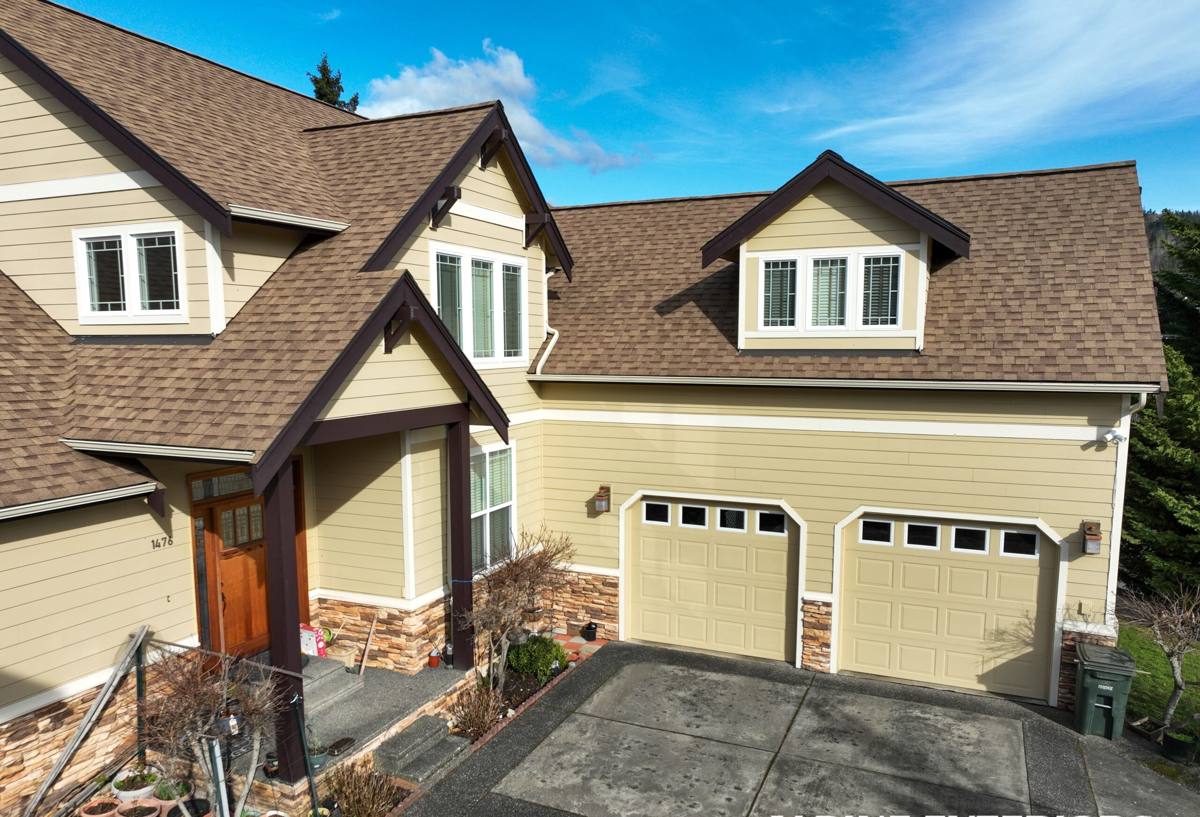
Signs a Repair Won't Cut It Anymore
Not every roof problem means a full replacement, but on the coast, roofs tend to reach the point of diminishing returns faster than homeowners expect. Some signs point clearly toward replacement rather than another round of patching:
- Granule loss heavy enough that you're finding grit in gutters and downspouts regularly
- Multiple areas of curling, cracking, or lifted shingles rather than one isolated spot
- Soft or spongy decking felt underfoot in the attic, or visible sagging from the ground
- Recurring leaks in different locations after past repairs, rather than one leak that keeps reopening
- Visible rust streaking or corrosion around metal flashing, vents, or fasteners
- A roof approaching or past the manufacturer's expected service life for this climate, which tends to run shorter here than in milder regions
- Difficulty getting affordable insurance coverage or a wind mitigation discount because of the roof's age or condition
If two or three of these apply, a full new roof is usually the more honest recommendation — chasing repairs on a roof that's already failing in multiple places tends to cost more over a few years than replacing it once, correctly.
Choosing a Roofing System Built for This Climate
There's no single "best" roofing material for every Nokomis home — the right choice depends on your home's structure, your budget, your HOA's requirements if you're in a deed-restricted community, and how long you plan to stay in the house. What matters most is that whatever you choose is rated, installed, and fastened for coastal wind and moisture conditions, not just installed to a minimum national standard.
| Material | Typical Lifespan Here | Wind Performance | Maintenance Considerations |
|---|---|---|---|
| Architectural asphalt shingle | 15–25 years | Good, when rated for high wind and fastened correctly | Periodic inspection for granule loss and sealed edges after storms |
| Standing seam metal | 30–50 years | Excellent uplift resistance with proper clip spacing | Watch fastener and coating condition in salt air; minimal otherwise |
| Concrete or clay tile | 30–50 years | Very good when tiles are properly secured to the deck | Individual tiles can crack from impact; underlayment condition matters more than the tile itself |
Why We Steer Some Homeowners Away From Certain Products
We won't push a material just because it's cheaper up front if it isn't a good fit for a Nokomis roof. For example, lower-grade three-tab shingles have thinner wind ratings and shorter warranty terms than architectural shingles, so on a coastal property we'll usually recommend the upgrade rather than install something that's likely to need premature repair. Similarly, some lightweight metal panel systems aren't designed for the fastening patterns coastal wind uplift requires — we'll tell you plainly if a product you're interested in isn't the right match for your home's exposure, rather than install it and let the trade-offs surface later.
What a Correct Installation Actually Involves
A new roof is more than shingles or panels laid over the old deck. The parts homeowners don't see are usually what determines whether the roof performs in year twelve, not just year one.
Deck Inspection and Repair
Once the old roofing material is removed, we inspect the decking for rot, delamination, or soft spots — common where old flashing has leaked slowly over time. Any compromised decking gets replaced before anything new goes down. Installing a new roof over a weak deck undermines everything above it, no matter how good the shingles or panels are.
Underlayment and Secondary Water Barrier
We install a synthetic or self-adhering underlayment across the full deck as a secondary water barrier. This layer matters more here than in drier climates — it's the backup that keeps a home dry if wind-driven rain gets past the roof covering during a storm, which is a realistic scenario on this coastline.
Fastening for Wind Uplift
Nail or fastener pattern, type, and spacing are engineered to the wind uplift rating required for the home's location and roof geometry, not just a generic pattern. Correct fastening is one of the biggest differences between a roof that survives a bad storm and one that doesn't.
Flashing at Every Penetration
Vents, chimneys, skylights, and roof-to-wall transitions are where most leaks actually start. We flash each of these individually with corrosion-resistant materials suited to salt air, rather than relying on sealant alone, which degrades faster under constant UV exposure.
Corrosion-Resistant Fasteners and Hardware
Standard fasteners can start rusting within a few years this close to the Gulf. We use fasteners and flashing hardware rated for coastal, high-salinity environments so the roof's hardware doesn't become the weak point before the roofing material itself wears out.
Ventilation Matters More Than Most Homeowners Realize
A roof that's properly ventilated lasts longer and keeps the attic — and the home below it — cooler and drier. In Sarasota County's humidity, poor attic ventilation traps moisture, which accelerates decking rot and can shorten a shingle's usable life well below its rated years. As part of a new roof install, we evaluate intake and exhaust ventilation together, not just add a ridge vent and call it done. Balanced ventilation also reduces the load on your air conditioning system during the hottest months, which is a real, ongoing cost consideration for coastal homes running AC most of the year.
Permits, Codes, and Wind Mitigation in Sarasota County
New roof installations in Sarasota County require a permit, and the work has to meet Florida Building Code wind provisions for this region, including requirements around fastening patterns and secondary water barriers. We pull the required permits and schedule the inspections your project needs — this isn't optional paperwork, it's what protects you if there's ever an insurance claim or a future home sale.
We also recommend having a wind mitigation inspection done after the new roof is installed. Many Florida insurers offer meaningful premium discounts for roofs that meet current wind mitigation standards, and a new roof installed to code is often the single biggest factor in that inspection. It's worth asking your contractor whether they'll prepare the roof and paperwork with that inspection in mind — we do, as a standard part of the process, not an upsell.
Our Installation Process, Start to Finish
- On-site assessment: We inspect the current roof, decking condition (where visible), attic ventilation, and any problem areas you've noticed, and talk through material options for your home and budget.
- Written estimate: You get a clear, itemized estimate before any work begins — material, labor, permitting, and disposal, with no vague allowances.
- Permitting: We handle the Sarasota County permit application so the project is inspected and documented correctly.
- Tear-off and deck inspection: Old roofing is removed and the deck is inspected and repaired as needed before anything new is installed.
- Underlayment and flashing installation: The secondary water barrier and all flashing go in before the final roofing material.
- Roofing material installation: Shingles, metal panels, or tile are installed to the fastening and wind-rating specifications for your home.
- Final walkthrough and inspection: We walk the completed roof with you, and the county inspection is completed and documented.
- Cleanup: Full site cleanup, including a magnetic sweep for stray nails and debris removal.
Cost Factors on a Nokomis Roof
Every roof is priced individually, but the same handful of factors drive most of the cost difference between projects:
| Factor | Why It Affects Cost |
|---|---|
| Roof size and pitch | Larger and steeper roofs take more material and labor time, and steep pitches require more safety equipment |
| Number of existing layers | Removing multiple old layers of roofing takes more labor and disposal cost than a single tear-off |
| Decking condition | Hidden rot or damage found during tear-off adds material and labor for replacement |
| Material choice | Asphalt shingle, metal, and tile carry different material and installation labor costs |
| Roof complexity | Valleys, multiple penetrations, chimneys, and dormers all add flashing work and labor time |
| Accessibility | Roofs with limited access for equipment or material staging can add labor time |
We walk through these factors on-site so your estimate reflects your actual roof, not a rough average.
What to Ask Before You Hire a Roofing Crew
Nokomis has no shortage of roofing crews that come through after a busy storm season and are gone before the warranty period matters. A few questions help separate a contractor who's actually invested in doing the job right from one who isn't:
- Are you licensed to perform roofing work in Florida, and can you provide proof of current insurance?
- Will you pull the required Sarasota County permit and schedule the inspections yourself?
- What wind uplift rating and fastening pattern will you use for this specific roof?
- Do you inspect and replace damaged decking as part of the installation, or only if I ask?
- What does the workmanship warranty cover, separate from the manufacturer's material warranty?
- Can you provide a written, itemized estimate before work begins?
- Do you have references or completed projects in this area I can ask about?
Why Local Experience Actually Matters Here
A roofing crew that already works in and around Nokomis knows the wind exposure differences between a home a few blocks from the water and one further inland, understands the permitting process with Sarasota County without delays, and has already worked through the practical realities of coastal installation — salt-air-rated hardware, ventilation for Gulf humidity, and fastening for real wind events, not just code minimums on paper. That local familiarity tends to show up as fewer surprises during the project and a roof that's actually built for the conditions it will face here, rather than a generic install done the same way it would be two hundred miles inland.
If your roof is showing its age or you're planning ahead of the next storm season, we're happy to take a look and give you a straightforward, no-pressure estimate. Use the form below to schedule a free assessment of your Nokomis home's roof.