 Sarasota Window
 Board & Batten Siding in Osprey: Built for the Coast, Not Just for Looks
Board and batten siding has become one of the most requested looks in Osprey and along the rest of the Sarasota County coastline — the vertical panel-and-strip pattern reads as coastal, craftsman, or modern farmhouse depending on the trim and color, and it works on everything from a full home exterior to an accent gable or porch wall. But Osprey sits on Little Sarasota Bay, within a few miles of the Intracoastal Waterway and the Gulf, which means the siding on an Osprey home works harder than siding almost anywhere inland. Hurricane-force wind gusts, near-constant UV exposure, wind-driven rain, and salt air moving in off the water all attack a wall system at once, and board and batten siding — with its extra seams, exposed batten edges, and vertical joints — either handles that combination well or fails faster than a standard lap profile would. The material and the installation both matter more here than they do in a low-humidity, inland climate.
What Makes Osprey's Exposure Different
Osprey isn't a high-rise beach strip, but it's close enough to open water that salt-laden air reaches every exterior surface, and it sits inside the same wind-load zones that govern the rest of coastal Sarasota County. Add Florida's UV intensity — among the highest in the continental U.S. — and afternoon storm patterns that drive rain sideways into vertical siding joints, and you get three simultaneous stress factors: mechanical (wind and impact), chemical (salt and moisture), and radiant (UV breakdown of coatings and substrates). A board and batten system has to resist all three without a fastening schedule, flashing detail, or finish that was really only designed for one.
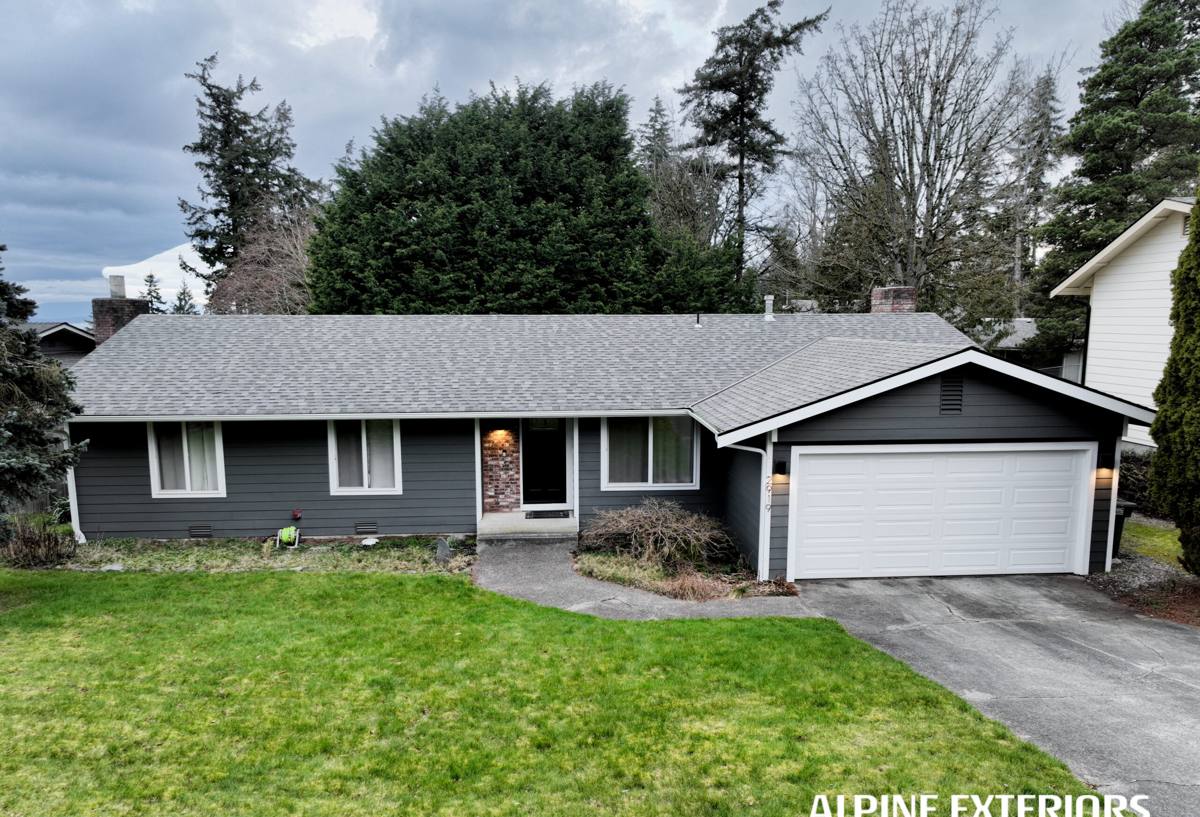
What Board & Batten Siding Actually Is
Board and batten is a two-layer vertical siding pattern: wide flat panels (or boards) installed vertically, with narrower strips — the "battens" — fastened over each seam. Historically it was a barn-and-farmhouse detail built from solid wood boards, but in modern exterior work it's built from engineered materials because solid wood moves too much with humidity and doesn't hold up to sustained coastal exposure. The pattern creates strong shadow lines and a clean, linear look that reads well on both traditional and contemporary homes, and it pairs naturally with standard lap siding as an accent on gables, dormers, or a front elevation while the rest of the house keeps a horizontal profile.
The appeal is mostly aesthetic, but the seams are functional risk points. Every batten covers a joint between two boards, and every one of those joints is a place where water can get behind the cladding if the install isn't done correctly. That's true of any board and batten system regardless of material — which is why the installation details matter as much as the product choice.
What a Correct Board & Batten Installation Involves
A board and batten job that's going to hold up in Osprey's climate isn't just panels and strips nailed to the wall. It's a layered system, and skipping or shortcutting any layer is where coastal siding failures actually start.
- Weather-resistive barrier: A code-compliant house wrap or building paper goes over the sheathing first, lapped correctly at every seam so water sheds downward and never behind the barrier.
- Furring or proper fastening plane: Vertical siding needs horizontal furring strips (or an equivalent rainscreen approach) in many assemblies so panels have a drainage gap and aren't fastened flat against a wet-prone surface.
- Panel fastening schedule: Fastener type, spacing, and embedment have to match the manufacturer's published wind-load requirements for the specific wind zone — Osprey's coastal exposure typically calls for a tighter schedule than an inland install.
- Batten placement and fastening: Battens need to land squarely over the panel seams with their own correct fastening pattern, not just be cosmetically centered.
- Flashing at every penetration: Windows, doors, hose bibs, light fixtures, and vents all need step or kick-out flashing integrated with the barrier — these are the most common leak points on any vertical siding job.
- Bottom and top terminations: A drip edge or starter strip at the base and correct trim at the top keep water from wicking into the panel ends, which is where fiber cement and engineered wood are most vulnerable if left exposed.
- Factory-finished, caulked, and painted joints: Cut edges get sealed per the manufacturer's spec, not just caulked over generically.
Every one of those steps takes longer than a rushed install would allow, and none of them are visible once the job is finished — which is exactly why they're the details that separate a board and batten wall that survives fifteen years of Gulf Coast weather from one that starts showing rot or fastener failure in three or four.
Why We Only Install James Hardie Fiber Cement — Not Vinyl, LP, or Wood
Board and batten is offered in several materials, and we get asked regularly why we don't install some of them. The honest answer is that we made a standard for our own crews based on what holds up in this specific climate, not because every alternative is a bad product everywhere.
Solid or engineered wood (including primed spruce or cedar) gives the most traditional look, but wood is dimensionally unstable — it expands, contracts, and can absorb moisture at cut edges and fastener points. In a low-humidity climate that's manageable with maintenance. In Sarasota County's combination of humidity, salt air, and heavy seasonal rain, wood board and batten needs more frequent repainting and edge-sealing to avoid swelling, splitting, and rot, and the maintenance burden compounds over time.
Vinyl siding is low-maintenance and inexpensive, but vinyl board and batten profiles are thin panel systems that rely on a locking track rather than the panel itself carrying wind load the way fiber cement does. Vinyl can also become brittle and discolor under sustained high UV, which is a real factor in Florida, and it has a lower wind-load ceiling than fiber cement in most published product ratings — a meaningful consideration for a coastal wind zone.
LP SmartSide and similar engineered wood products use a treated wood-strand substrate that performs reasonably in moderate climates, but the substrate is still wood fiber, and its long-term moisture performance in a high-humidity, salt-air coastal environment is a different risk profile than fiber cement, which contains no wood fiber to swell or rot.
Cemplank and Allura are fiber cement competitors to James Hardie, and fiber cement as a category is the right call for this climate. Our decision to install James Hardie specifically comes down to their climate-engineered HZ product line (formulated for high-humidity, high-moisture regions like ours), their factory-applied ColorPlus finish, and a warranty structure we're comfortable standing behind on every job. We install one system so our crews are deeply trained on one set of installation specs — not spread thin across several products with different fastening and flashing requirements.
Material Comparison for Coastal Board & Batten Siding
| Material | Moisture / Rot Resistance | Wind & Impact Durability | UV / Fade Resistance | Typical Maintenance |
|---|---|---|---|---|
| James Hardie fiber cement (HZ5) | High — no wood fiber to swell or rot | High, engineered fastening ratings for coastal wind zones | High with ColorPlus factory finish | Low — occasional wash, repaint on a long cycle if not ColorPlus |
| Vinyl | Good, but seams/locks can loosen | Lower wind-load ceiling than fiber cement | Moderate — can chalk or discolor over years in intense UV | Low, but can crack or warp with age and heat |
| LP SmartSide / engineered wood | Moderate — treated wood strand, still moisture-sensitive at cut edges | Good when installed to spec | Moderate, depends on finish | Moderate — edge sealing and repainting needed over time |
| Solid wood / primed spruce or cedar | Lower in high-humidity coastal exposure | Moderate, depends on species and thickness | Lower — natural wood grays and weathers without upkeep | High — regular repainting and edge maintenance required |
What Drives the Cost of a Board & Batten Project in Osprey
Every board and batten quote is different because the variables genuinely change the scope of work, not because pricing is arbitrary. The factors below are what we walk through with an Osprey homeowner during an estimate.
| Cost Factor | Why It Matters |
|---|---|
| Existing siding removal | Tear-off of old wood, vinyl, or damaged fiber cement adds labor and disposal versus a bare-sheathing install |
| Substrate and moisture barrier condition | Sheathing repair or a full barrier replacement is common on older homes and needs to happen before new siding goes on |
| Wall height and access | Two-story walls, steep rooflines, or tight side-yard access change equipment and labor time |
| Trim and batten density | A tighter batten spacing or extensive trim detail (corners, window casing, frieze boards) adds material and install time |
| Full-house vs. accent application | Board and batten as a gable or porch accent is a smaller scope than a full elevation or whole-house install |
| Color and finish selection | Factory ColorPlus finishes reduce future repainting cost but are priced differently than field-painted primed panels |
We don't quote off square footage alone — an accurate number comes from walking the specific walls, checking what's underneath the current siding, and confirming what the wind zone and any HOA or code requirements call for.
Our Process for Osprey Homeowners
The process is the same discipline whether we're doing a single gable accent or a full home re-side, and it's built around not skipping the parts nobody sees after the job is done.
- On-site estimate: We walk the exterior, check the current siding and substrate condition, and talk through where board and batten makes sense on the home.
- Scope and product selection: We confirm panel and batten sizing, color (factory ColorPlus or field-applied), and trim details, and put it all in a written scope.
- Permitting: Siding replacement in Sarasota County typically requires a permit; we handle that process rather than leaving it to the homeowner.
- Removal and substrate check: Old siding comes off, sheathing gets inspected and repaired where needed, and any water damage is addressed before anything new goes up.
- Barrier and fastening plane installation: Weather-resistive barrier and furring (where the assembly calls for it) go in per manufacturer spec.
- Panel and batten installation: Fastening follows the wind-zone-rated schedule, flashing goes in at every penetration, and seams are sealed to spec.
- Final walkthrough: We go over the finished work with the homeowner before calling the job complete.
Why a Crew That Already Works in Osprey Matters
Board and batten siding installed correctly by a crew unfamiliar with coastal Sarasota County wind and moisture requirements can still fail — the manufacturer's general installation guide doesn't automatically translate into the fastening schedule and flashing approach a specific wind zone requires. A crew that already works Osprey and the surrounding Sarasota County coastline knows the local permitting process, has already worked through the wind-load requirements that apply here, and has seen firsthand how salt air and UV affect different siding choices over years, not just at installation. That local track record is what keeps a board and batten project from being a good-looking install today and a maintenance problem in five years.
Maintenance Expectations After Installation
James Hardie board and batten siding is low-maintenance, not no-maintenance. A periodic rinse to clear salt residue and airborne debris, prompt caulk touch-up at any joint that shows separation, and keeping gutters and downspouts clear so water isn't sheeting down the wall all extend the life of the system. None of that is difficult, but it does matter more in a coastal environment than it would inland, and it's worth building into a homeowner's regular home upkeep rather than waiting until something looks wrong.
Quick Checklist Before You Hire Anyone for Board & Batten Work
- Ask for their specific fastening schedule for your wind zone, not just a general answer
- Confirm they're pulling the required Sarasota County permit
- Ask how they handle flashing at windows, doors, and penetrations
- Confirm what weather-resistive barrier they use and how they lap it
- Ask whether they're manufacturer-trained or certified on the specific product
- Get the warranty terms in writing, both material and labor
- Ask how they handle substrate repair if they find water damage during tear-off
If you're weighing board and batten siding for a home in Osprey, we're happy to walk the exterior with you, look at what's there now, and put together a straightforward, no-pressure estimate — just fill out the form below to get started.