 Sarasota Window
 Deck Repair Built for Osprey's Coastal Conditions
Osprey sits in a tricky spot for outdoor wood and composite structures. You're close enough to the Gulf and Little Sarasota Bay to get salt-laden air on a regular basis, you're in a part of Sarasota County that takes direct hits from tropical systems and gusty summer storms, and you get nearly year-round UV exposure that most of the country never deals with. A deck that would last decades in a drier, cooler climate can start showing real problems here in half that time if it wasn't built or maintained with this environment in mind.
We repair decks for homeowners throughout Osprey and the surrounding Sarasota area, and the calls we get tend to follow a pattern: boards that have cupped or split from sun and moisture cycling, rail posts that have loosened or rotted at the base, fasteners that have corroded and stained the wood, and connections that were never properly flashed or sealed against wind-driven rain in the first place. This page walks through what we actually find on Osprey decks, what a correct repair looks like, and how we approach the work.
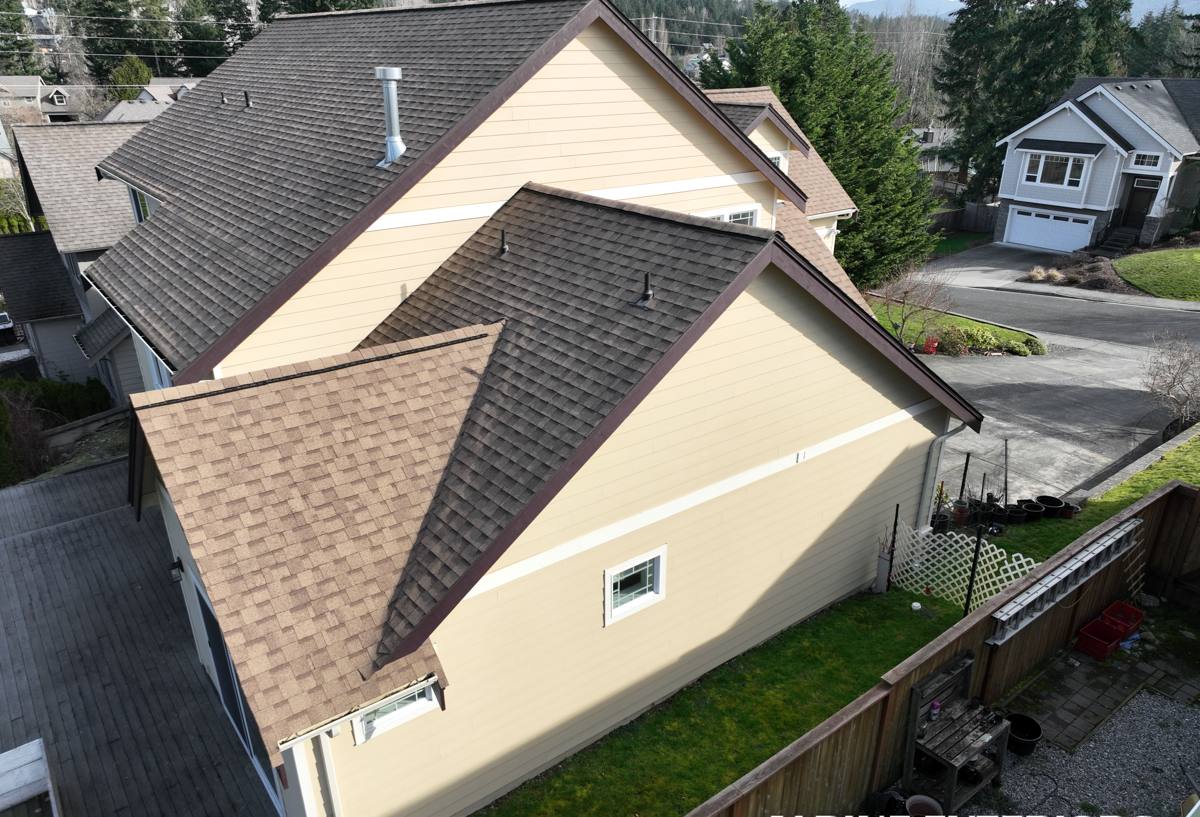
Why Decks Take Extra Abuse in This Area
Salt Air and Corrosion
Even homes that aren't waterfront in Osprey get salt exposure carried in on the breeze off the bay and the Gulf. Salt accelerates corrosion in any metal fastener, bracket, or connector on a deck. Once a nail, screw, or joist hanger starts rusting, it weakens, stains the surrounding wood, and can eventually fail structurally. This is one of the most common root causes we find on decks that "look fine on top" but have a soft or bouncy feel underfoot.
UV and Heat Cycling
Sarasota County gets intense, near-daily sun for most of the year. UV breaks down the lignin in wood fibers and degrades the surface of lower-grade composite boards over time, leading to graying, splintering, and surface checking. Heat cycling — hot days, cooler nights, sudden downpours — makes wood expand and contract repeatedly, which loosens fasteners and opens up seams where water can get in.
Wind-Driven Rain and Storm Load
During hurricane season, rain in this area rarely falls straight down. Wind-driven rain gets pushed sideways and upward into gaps, under ledger boards, and behind rail posts that weren't properly flashed. Add in the structural stress that tropical-storm and hurricane-force winds put on railings, stair stringers, and ledger connections, and you get a combination that punishes any weak point in the original build.
Ground Moisture and Drainage
Many lots in this part of Sarasota County sit low or have a high water table, especially near the bay. Posts and footings that don't have adequate drainage or ground clearance stay damp longer after rain, which speeds up rot at the base of support posts — often the least visible part of the deck and the most important structurally.
What We Typically Find on Osprey Deck Inspections
- Cupped, split, or spongy deck boards, especially in low-traffic corners that hold moisture longer
- Rusted or corroded fasteners leaving black or orange staining around screw heads
- Loose or wobbly railing posts, often rotted at the base where they meet the deck frame
- Ledger board attachment points showing water staining or soft wood, a sign of poor flashing
- Joist hangers and structural connectors with visible rust or missing fasteners
- Stair stringers with checking or rot at the ground contact point
- Gaps or separation where the deck meets the house, allowing water intrusion behind siding
- Composite boards with surface delamination, fading, or edge swelling on lower-grade products
Repair vs. Replacement: How We Decide
Not every deck problem means starting over, and not every deck can be patched and called good. We evaluate a few things before recommending a path:
| Factor | Favors Repair | Favors Replacement |
|---|---|---|
| Structural frame condition | Frame and posts are solid, damage is isolated to boards or rails | Multiple posts, joists, or the ledger show rot or corrosion damage |
| Age of the deck | Under 10-12 years, built to a reasonable standard | Original build is old, undersized, or was never properly flashed |
| Extent of damage | Damage limited to a section or a handful of boards | Damage is spread across the whole surface or multiple systems |
| Fastener condition | Fasteners mostly sound with a few problem spots | Widespread corrosion on hardware throughout |
| Code and safety | Meets current railing height and spacing requirements | Railings or stairs are out of code and need rebuilding anyway |
When repair makes sense, we fix what's actually broken instead of pushing a full rebuild homeowners don't need. When the frame or structural connections are compromised, we'll tell you plainly why patching over it isn't a responsible option — a repair that hides a structural problem instead of solving it isn't a repair worth doing.
What a Correct Deck Repair Involves
Board Replacement
Damaged boards get pulled and replaced with material matched to what's there, or upgraded if the existing product hasn't held up well in this climate. Fasteners get replaced with corrosion-resistant hardware rated for coastal exposure — this is not the place to reuse standard fasteners just because the old ones are still technically holding.
Post and Railing Repair
Loose or rotted posts get inspected down to the base connection. If the post itself is sound but the base connection has failed, we reinforce or replace that connection. If the post has rotted, it gets replaced and properly anchored — a railing that wobbles is a safety issue, not just a cosmetic one, especially with kids or guests using the deck.
Ledger and Flashing Correction
Where the deck attaches to the house is one of the most important — and most commonly overlooked — parts of any repair. If the ledger board wasn't flashed correctly originally, water has likely been getting behind it for years. We correct the flashing detail as part of the repair, not just patch the wood and leave the underlying cause in place.
Structural Connectors and Hardware
Rusted joist hangers, corroded bolts, and failing structural screws get replaced with hardware rated for coastal, high-moisture environments. This is a detail that's easy to skip because it's mostly invisible once the deck is finished — but it's exactly the kind of shortcut that leads to another repair call in a few years.
Sealing and Surface Protection
Once structural repairs are done, wood surfaces get properly sealed or stained to slow UV and moisture damage going forward. Composite decking doesn't need sealing, but seams, fastener points, and board edges still need to be installed correctly to avoid trapping moisture.
Our Process, Start to Finish
- On-site inspection. We walk the entire deck, not just the area you're worried about, and check the frame, posts, ledger, and hardware — not just the surface boards.
- Honest assessment. We tell you what's actually wrong, what's causing it, and whether repair or replacement is the responsible call. No upselling a full rebuild when a targeted repair will do the job.
- Written scope and estimate. You get a clear breakdown of what's being repaired and why, so there are no surprises once work starts.
- Repair work. We replace damaged material, correct flashing and connection issues, and use fasteners and hardware suited to Sarasota County's coastal conditions.
- Final walkthrough. We check railings for solidness, boards for level and secure fastening, and confirm the repair addressed the root cause, not just the symptom.
Maintenance That Actually Extends Deck Life Here
A few habits make a real difference for decks in this climate:
- Rinse salt residue off deck surfaces periodically, especially after dry, windy stretches
- Keep gutters and downspouts clear so runoff isn't dumping extra water near deck posts
- Reseal or restain wood decking on a regular schedule rather than waiting until it looks gray and dry
- Check railing posts by hand for looseness once or twice a year, particularly after storm season
- Keep planters and standing water off deck boards where moisture can sit and cause localized rot
- Have a professional check under-deck framing every few years, since that's the area homeowners rarely see
Why Local Experience with Osprey Homes Matters
Deck repair isn't a one-size-fits-all trade. A crew that mostly works inland, drier climates will often miss the coastal details that matter here — the right fastener grade, the flashing detail at the ledger, the drainage consideration at post bases. Working regularly in Osprey and across Sarasota County means we've seen how local conditions actually play out on real decks over time, not just in a manual. That translates into repairs that address the actual cause of the damage instead of just replacing what's visibly broken and leaving the same underlying issue to cause the same problem again in a couple of years.
We also know how storm season affects timing. If you've got storm damage or you're trying to get a deck squared away before hurricane season peaks, we understand the urgency and the structural priorities that come with it — railings, stair stability, and connection points get checked first because those are the safety-critical parts of any deck.
Getting an Honest Look at Your Deck
If your deck has soft spots, loose railings, staining around fasteners, or just doesn't feel as solid as it used to, it's worth getting a straightforward inspection before the problem gets bigger or more expensive to fix. We'll give you a clear picture of what's going on and what it would take to fix it right. Fill out the form below for a free, no-pressure estimate — there's no obligation, just an honest look at where your deck stands.