 Sarasota Window
 Siding Built for Palmer Ranch's Particular Mix of Weather
Palmer Ranch sits inland enough from the open Gulf to feel a little sheltered, but it's still Sarasota County, and that means the same list of demands hits every exterior wall in the neighborhood: long stretches of intense UV, sudden wind-driven downpours in summer, salt-laden air pulled in off the coast, and the real possibility of hurricane-force wind loads during storm season. Homes here range from established single-family lots to newer construction along the community's many planned sections, and regardless of age, the siding on those homes is doing more work than it would in almost any other part of the country.
Siding in this climate isn't just a cosmetic layer. It's the first line of defense against moisture intrusion, the surface that has to survive years of UV exposure without chalking or fading, and — when a named storm comes through — a component that has to stay attached and intact under wind pressure and wind-borne debris. Getting the material and the installation right matters more here than it does in a mild, dry climate where siding mistakes take a decade to show up instead of a season or two.
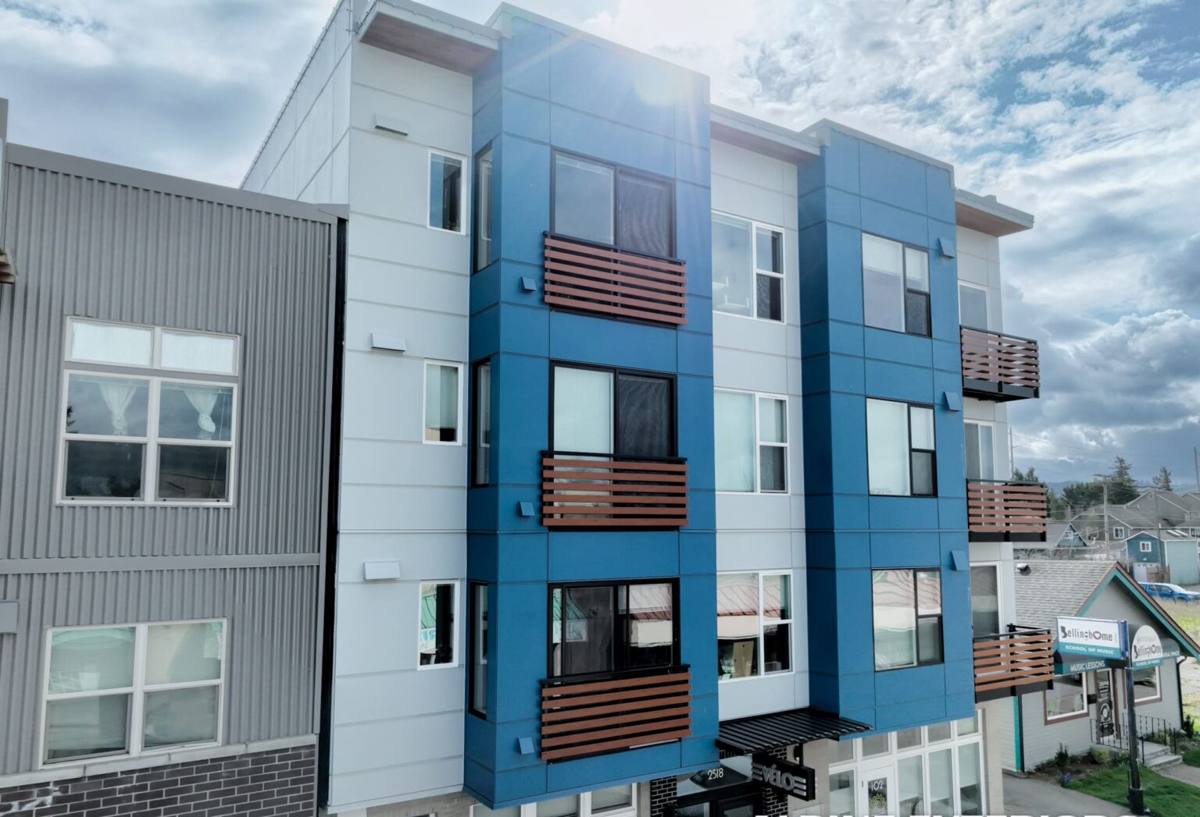
What Palmer Ranch Homes Need From Their Siding
Moisture Management First
Florida's combination of humidity, heavy rain events, and heat creates conditions where any gap in the water-resistive barrier or any poorly flashed penetration becomes a path for moisture to get behind the siding and stay there. Once moisture is trapped against sheathing in a hot, humid climate, problems compound quickly — that's true no matter what siding material sits on the surface. The installation details (flashing, house wrap integration, proper clearances) matter as much as the product itself.
UV and Color Stability
Sarasota gets sun nearly year-round, and siding that isn't engineered for it will chalk, fade unevenly, or need repainting well before a homeowner expects to be back up a ladder with a brush. Palmer Ranch's mature landscaping means some homes get more shade than others, which can actually make fading worse on sun-exposed elevations if the finish isn't consistent from the factory.
Wind and Storm Performance
When a storm system tracks through the region, siding has to resist both direct wind pressure and the impact of wind-driven debris. Fastening pattern, panel overlap, and correct product selection for the local wind zone all factor into whether siding stays put or starts peeling off at the corners and edges first — which is where under-installed siding almost always fails first.
Salt Air Exposure
Even set back from the water, Palmer Ranch is close enough to the Gulf that salt-laden air is a factor over the life of a home. Materials and fasteners that aren't suited to a coastal-influenced environment corrode or degrade faster, which is one more reason product choice isn't a place to cut corners in this part of Florida.
Why We Install Only James Hardie Fiber Cement
We made a decision as a company to install James Hardie fiber cement siding exclusively, and we don't install vinyl, LP SmartSide, Cemplank, Allura, or primed wood siding like spruce or cedar. That's not a marketing position — it's a standard we hold ourselves to because of what we've seen matter over the long run in Southwest Florida's climate specifically.
- Non-combustible material — fiber cement doesn't burn, which matters for insurance considerations and peace of mind alike.
- Engineered for humid, coastal climates — Hardie's HZ5 product line is formulated specifically for Florida's moisture and humidity profile, not a generic national spec.
- Factory-applied ColorPlus finish — baked-on color that resists the fading and chalking that plain-primed or field-painted products struggle with under constant Florida sun.
- Dimensional stability — fiber cement doesn't expand, contract, warp, or rot the way wood-based products can when humidity swings.
- Strong transferable warranty — backed by a manufacturer with a long track record specifically in high-UV, high-humidity, storm-prone regions.
Other products on the market aren't without merit — vinyl is inexpensive and low-maintenance in mild climates, and engineered wood siding has real fans for its workability. But in a market like Palmer Ranch, where UV load, humidity, and storm exposure are all working against a home simultaneously, we've found the trade-offs of those alternatives (heat distortion in vinyl, moisture sensitivity in wood-based products, inconsistent field-applied finishes) aren't ones we're willing to put our name behind. Fiber cement, installed correctly, is what we believe holds up.
What a Correct Siding Installation Actually Involves
The material is only half the equation. A huge share of siding failures we get called out to inspect — regardless of brand — trace back to installation shortcuts, not the product itself. A correct job includes:
- Removal of old siding and inspection of the sheathing underneath for existing rot, moisture damage, or previous repair issues.
- Repair or replacement of any compromised sheathing before new material goes up — covering a bad substrate just hides the problem.
- Installation of a code-compliant water-resistive barrier, properly lapped and sealed.
- Correct flashing at every window, door, and penetration — the single most common failure point we see on poorly installed siding.
- Fastening per manufacturer specification for the local wind zone, not a generic national pattern.
- Proper clearances from grade, roofing, and other transitions to keep water from wicking into panel edges.
- Factory-finished panels installed with care to protect the ColorPlus coating during handling and cutting.
Skipping or rushing any one of these steps is how a quality product ends up with a short lifespan. It's also why the installing crew matters as much as the material choice.
Our Process for Palmer Ranch Projects
| Step | What Happens |
|---|---|
| Site Visit & Assessment | We walk the exterior, check existing siding and sheathing condition, and note any problem areas before quoting. |
| Written Estimate | A clear scope and price, no vague allowances or surprise change orders once work starts. |
| Product & Color Selection | Choosing the right Hardie profile and ColorPlus color for the home's style and the neighborhood's aesthetic. |
| Tear-Off & Substrate Check | Old siding comes off, sheathing gets inspected and repaired as needed before anything new goes up. |
| Weather Barrier & Flashing | House wrap and flashing installed to manufacturer and code specification at every penetration. |
| Siding Installation | Panels installed to Hardie's fastening and clearance specs for our wind zone. |
| Final Walkthrough | We review the finished work with the homeowner before calling the job complete. |
Why a Crew That Already Works Palmer Ranch Matters
Siding installation isn't uniform across Florida, let alone across the country. A crew that regularly works Palmer Ranch and the surrounding Sarasota area already understands the county's permitting process, has a feel for how the area's wind exposure and typical lot layouts affect the job, and has likely already handled the kinds of sheathing and moisture issues common to homes of a similar age and construction type in this part of the county. That familiarity shows up in fewer surprises mid-project and a faster, more predictable timeline — not because the job is rushed, but because there's less guesswork.
It also matters for accountability. A local crew is one you can reach after the job is done, not a name from an out-of-town crew that's moved on to the next county. For siding — a system that has to perform for decades against Sarasota's sun, storms, and salt air — that kind of local presence isn't a nice-to-have, it's part of what makes the installation trustworthy.
Signs Palmer Ranch Homeowners Should Watch For
- Visible cracking, buckling, or warping in current siding panels
- Soft spots or discoloration near window and door trim
- Paint that's peeling or bubbling repeatedly in the same spots
- Gaps or separation at panel seams and corners
- A musty smell or visible mold near exterior walls indoors
- Siding that's noticeably faded or chalky compared to when it was installed
Any of these can indicate moisture has already found its way behind the siding, which is worth having assessed sooner rather than later — small issues caught early are far less costly than a full wall system repair.
Cost Factors to Understand Before You Budget
| Factor | Why It Affects Price |
|---|---|
| Home size and elevation count | More square footage and more architectural detail (gables, dormers) means more material and labor. |
| Substrate condition | Rotted or damaged sheathing discovered during tear-off adds repair scope beyond the base siding job. |
| Hardie profile chosen | Lap siding, shingle-style panels, and board-and-batten looks carry different material and labor costs. |
| Trim and detail work | Corner boards, window trim, and fascia detailing add labor time relative to a plain rectangular elevation. |
| Access and site conditions | Landscaping, fencing, or tight lot lines around a Palmer Ranch property can affect staging and labor time. |
We don't publish blanket pricing because every home's scope is different, but we'll always give a clear, itemized estimate before any work begins so there are no surprises.
Ready to Talk About Your Siding?
If your Palmer Ranch home's siding is showing its age, or you're planning ahead for a replacement, we're happy to take a look and give you a straightforward assessment — no pressure, no upsell to a product we wouldn't put on our own homes. Fill out the form below for a free estimate and we'll get in touch to schedule a visit.