 Sarasota Window
 Roof Repair in Gulf Gate Estates: What the Climate Actually Puts Your Roof Through
Gulf Gate Estates sits inland from the beaches but not far enough to escape what a Sarasota County climate does to a roof year after year. Between hurricane-force wind events, wind-driven rain that gets pushed sideways into flashing and fascia, salt-laden air drifting in off the Gulf, and some of the most intense year-round UV exposure in the continental United States, a roof here ages differently than one in a milder climate. None of these forces act alone. Wind loosens a shingle tab or lifts a tile just enough for the next heavy rain to find a way in, and UV exposure dries out sealants and underlayment faster than most homeowners expect, making the whole system more brittle and less forgiving when a storm does roll through.
That combination is exactly why roof repair in this neighborhood needs to be treated as more than patchwork. A repair that only addresses the visible symptom — a stain on the ceiling, a missing shingle — without accounting for what the Sarasota climate has already done to the surrounding materials tends to fail again within a season or two. A repair that accounts for the whole picture holds up.
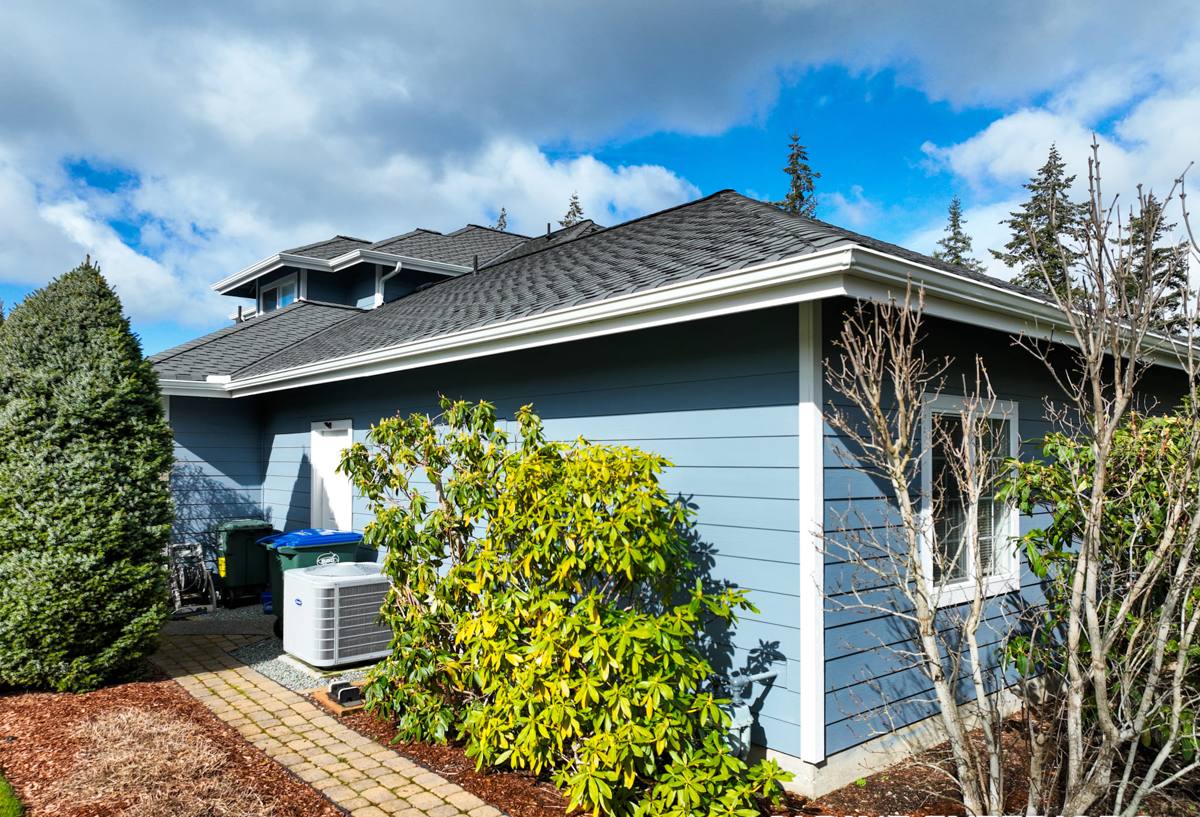
The Repair Issues We See Most Often in This Neighborhood
Shingle Roofs Under UV and Wind Stress
Many homes in Gulf Gate Estates were built decades ago and have gone through at least one re-roof since, with asphalt shingle remaining a common choice for its cost and straightforward installation. The tradeoff is that shingles are the most UV-sensitive common roofing material, and constant Florida sun accelerates granule loss and seal-strip breakdown. Once the seal strip between shingle courses fails, wind gets underneath the tab, and that's when a single storm can turn a few loose shingles into a real leak.
Tile Roofs and Underlayment Failure
On the tile roofs in the area, the tile itself is usually the last thing to fail — it's the underlayment beneath it that wears out first from decades of heat cycling. A cracked or slipped tile is often just the visible clue that the waterproofing layer underneath has already degraded. Repairing the tile without addressing what's under it is a common shortcut that doesn't hold.
Flashing, Valleys, and Penetrations
Roof valleys, chimney flashing, skylight curbs, and pipe boots are where most leaks actually originate, regardless of roof type. These are the transition points where two roof planes or materials meet, and they take the brunt of wind-driven rain because water gets pushed uphill against gravity during a real storm rather than simply running off.
Flat or Low-Slope Sections
Plenty of homes in the area have a flat or low-slope section over a lanai, garage, or addition. These systems rely on membrane integrity and proper drainage slope rather than shingle overlap, and ponding water combined with intense UV breaks down membrane seams faster than most homeowners realize until a leak shows up.
What a Correct Roof Repair Actually Involves
A roof repair done right starts with figuring out why the damage happened, not just where. A quick patch over a visible hole might stop a drip for a few weeks, but if the underlying cause — a failed flashing detail, saturated underlayment, wind-lifted shingles nearby — isn't addressed, the leak comes back, often in a different spot the next time it rains.
A proper repair also means matching materials correctly. Shingle color and profile, tile style and profile, and underlayment type all need to be compatible with what's already on the roof, both for water-shedding performance and so the repaired area doesn't stand out. And any repair should be done to current code requirements for wind resistance and water barrier performance, even when only patching a small section, since that's what protects the work in the next major wind event.
Our Roof Repair Process, Step by Step
- Inspection. We walk the roof (or use a safe vantage point when conditions call for it) to trace the leak or damage back to its actual source, not just the spot where water showed up inside.
- Diagnosis and explanation. We tell you plainly what we found, what's causing it, and what it will take to fix it correctly — including if a small area nearby should be addressed at the same time to prevent a repeat call.
- Written estimate. You get a clear scope and price before any work starts, with no surprise add-ons once we're on the roof.
- Material matching. We source shingles, tile, or membrane that match your existing roof as closely as possible in both material and appearance.
- The repair itself. We remove and replace damaged material, correct any flashing or underlayment issues found, and reseal penetrations properly rather than relying on surface sealant alone.
- Cleanup and walkthrough. We clear debris and nails from the property and walk you through what was done before we consider the job finished.
Repair or Replace? How We Help Sarasota County Homeowners Decide
Not every roof problem calls for a full replacement, and not every repair is the right long-term answer either. We look at the whole picture before recommending one path over the other.
| Factor | Leans Toward Repair | Leans Toward Replacement |
|---|---|---|
| Roof age | Well within expected lifespan | At or past typical service life for the material |
| Damage extent | Isolated to one section or detail | Spread across multiple areas of the roof |
| Repair history | First or second repair on this roof | Repeated repairs to the same or nearby areas |
| Underlayment condition | Still intact and flexible | Brittle, torn, or failing in multiple spots |
| Insurance / storm damage | Localized, non-storm-related wear | Documented wind or storm damage across the roof |
When a repair is the right call, we say so — a roof that still has useful life left doesn't need to be replaced early. When the evidence points the other way, we'll explain exactly why so you're making the decision with full information, not a sales pitch.
Roofing Materials We Work With for Repairs
Because Gulf Gate Estates has a real mix of roof ages and types, we work across the common materials found in the neighborhood rather than pushing a single product.
Asphalt Shingle
The most common material we repair, chosen by most homeowners for cost and availability. Its main tradeoff in this climate is UV sensitivity, which is why matching granule wear and seal-strip condition matters when patching an area rather than just matching color.
Concrete and Clay Tile
Tile handles UV and heat well and can often be repaired by replacing individual broken or slipped tiles without disturbing the rest of the field — as long as the underlayment beneath is still sound. When it isn't, we'll tell you honestly rather than reseal over a problem that will resurface.
Metal
Less common as a full residential roof in this neighborhood but sometimes present on additions, porches, or accent sections. Repairs typically center on fastener backout, sealant failure at seams, and panel damage from wind-borne debris.
Flat and Low-Slope Membrane
Used over lanais, additions, and garages. Membrane repairs require matching the existing material (rather than layering an incompatible product on top) and correcting any drainage issue that's letting water sit longer than it should.
Local Permitting, Wind Mitigation, and Insurance Considerations
Roof work in Sarasota County is subject to local permitting and inspection requirements, and we handle that process as part of the job rather than leaving it to the homeowner to sort out. For many homeowners, a roof repair also intersects with insurance — either because the damage is storm-related and part of a claim, or because the condition of the roof affects a wind mitigation inspection tied to your policy. We document our repairs clearly enough that you have what you need if a wind mitigation form or insurance adjuster asks about the work done. If your property is part of an HOA or deed-restricted community, as much of the neighborhood is, we're also mindful of matching material appearance so the repair doesn't stand out from the surrounding homes.
Signs Your Gulf Gate Estates Home Needs Roof Repair Now
- A ceiling stain that appears after wind-driven rain but not after a calm, straight-down rain
- Shingle granules collecting in gutters or at downspout outlets
- Tiles that look shifted, cracked, or slipped out of line, especially after a windy day
- Daylight visible through the roof deck from inside the attic
- Soft or spongy spots on a flat or low-slope section after rain
- Rusted or lifted flashing around chimneys, skylights, or vent pipes
- A musty smell in the attic that wasn't there before
- Missing shingles or tiles you can see from the ground after a storm
If any of these sound familiar, it's worth having the roof looked at before the next round of wind and rain finds the weak spot for you.
Protecting Your Roof After the Repair
A good repair lasts longer when it's paired with basic upkeep. Keep gutters clear so water isn't backing up under the roof edge during a downpour, trim back tree limbs that can drop debris or scrape shingles and tile during high wind, and have the roof looked at after any named storm passes through the area, even if nothing looks obviously wrong from the ground. Small issues caught early in this climate stay small; ignored, they tend to grow quickly given how much UV and wind exposure this area sees year-round.
If you're dealing with a leak, storm damage, or just want an honest read on the condition of your roof, we're happy to take a look. Fill out the form below for a free, no-pressure estimate on roof repair for your Gulf Gate Estates home.