 Sarasota Window
 Roofing in Bee Ridge Comes With Its Own Set of Demands
Bee Ridge sits inland enough from the coast to avoid the worst of direct salt spray, but close enough that salt-laden air still moves through on sea breezes and works its way into fasteners, flashing, and roof vents over time. Add in Sarasota County's exposure to hurricane-force winds, months of intense subtropical UV, and the kind of wind-driven rain that finds every gap in a roof system, and you've got a climate that ages roofs faster than most homeowners expect. A roof that would last 25-30 years in a milder climate often needs attention well before that mark here, especially if it wasn't installed with these specific stressors in mind.
Bee Ridge is a mix of established single-family neighborhoods with homes spanning several decades of construction. That means a lot of roofs in the area are now old enough that the original materials have simply run their course, or were never rated for the wind speeds Florida building code now requires. Replacement, not another round of patch repairs, is often the more honest and more cost-effective answer once a roof reaches that point.
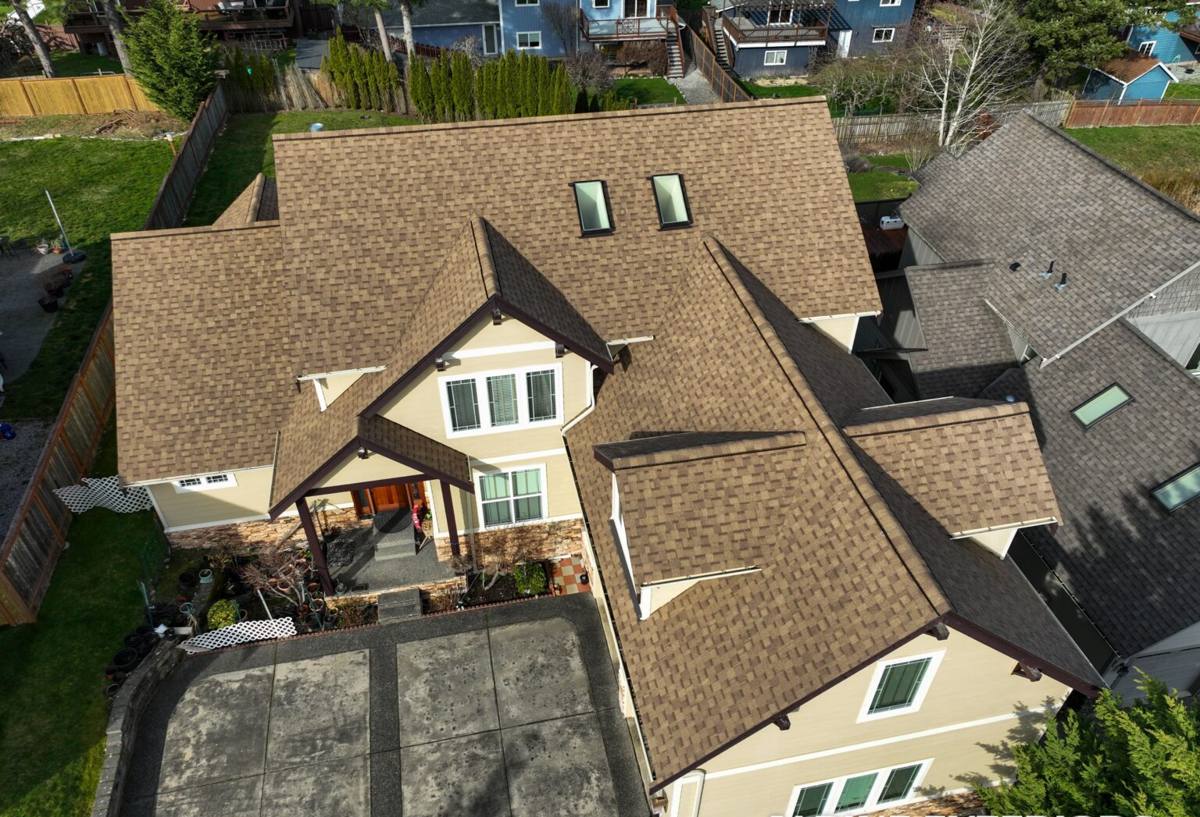
Signs a Bee Ridge Roof Is Due for Replacement
Some roofs fail obviously — a storm rips off shingles or tiles and the damage is impossible to ignore. Most don't. They fail slowly, and the signs are easy to miss from ground level.
- Shingles that are cupping, curling, or losing their granules in visible patches
- Cracked, slipped, or missing tiles, or tiles that sound hollow or loose when walked on
- Soft spots in the roof deck, or sagging visible along the roofline
- Water stains on interior ceilings, especially near vents, chimneys, or valleys
- Rusted or lifted flashing around penetrations and roof-to-wall transitions
- A roof approaching or past 20 years old, particularly if it's never been reroofed
- Rising energy bills tied to a roof deck that's no longer insulating or ventilating properly
- Visible daylight through the attic decking, or a musty attic smell suggesting trapped moisture
Any one of these on its own might just call for a repair. Several together, or a roof already past the 20-year mark, usually means replacement is the more responsible move — repairing a roof that's structurally tired just delays a bigger, more expensive failure.
What a Correct Roof Replacement Actually Involves
A roof replacement isn't just stripping the old material and nailing down new shingles or tiles. Done right, it's a full system rebuild, and skipping steps here is exactly how roofs fail early in a climate like ours.
Tear-Off and Deck Inspection
The old roofing material comes off completely, down to the deck. This is the only point in the process where the crew can actually see the condition of the wood underneath — soft, rotted, or delaminated decking has to be found and replaced now, not discovered later when it's covered by new roofing. Skipping a full tear-off, or only tearing off part of a roof, hides problems instead of solving them.
Underlayment
This is the roof's real waterproofing layer, and it matters more here than almost anywhere else in the country. With wind-driven rain a regular occurrence during Sarasota County storms, a self-adhered or high-quality synthetic underlayment, properly lapped and sealed at penetrations, is what actually keeps water out when wind is pushing rain sideways under the roofing material itself.
Flashing
Flashing around chimneys, skylights, vents, and wall transitions is one of the most common sources of leaks on any roof, and it's often the first thing that degrades in salt-influenced air. New flashing, correctly lapped with the underlayment and roofing material, should go in with every replacement — reusing old flashing to save time is a false economy.
Wind-Rated Fastening
Florida building code sets minimum fastening and wind-uplift standards for roofing, and Sarasota County enforces them closely given the area's hurricane exposure. The right nailing pattern, fastener count, and adhesive or clip system for the material being installed is what keeps a roof intact when wind loads spike during a storm — this isn't optional and it isn't a place to cut corners.
Ventilation
An attic that can't breathe traps heat and moisture, which shortens the life of the new roof from the inside and drives up cooling costs. Correct intake and exhaust ventilation should be part of the plan, not an afterthought.
Choosing a Roofing Material for Bee Ridge's Climate
There's no single "best" roofing material for every home — it depends on the roof's structure, the home's style, and the homeowner's budget and priorities. What matters is understanding the honest trade-offs for this climate.
| Material | Wind & Storm Performance | UV / Heat Behavior | Maintenance Considerations |
|---|---|---|---|
| Architectural asphalt shingle | Good, when installed with proper fastening and wind-rated products | Moderate — quality granule coating resists UV degradation better than older 3-tab shingles | Lowest upfront cost; periodic inspection for granule loss and sealant strip wear |
| Concrete or clay tile | Very good when properly fastened; heavy and resistant to wind lift | Excellent — tile itself doesn't degrade from UV | Underlayment beneath tile still ages and needs eventual replacement; individual cracked tiles are repairable |
| Standing seam metal | Excellent wind-uplift resistance with proper clip spacing | Excellent — reflective finishes reduce heat absorption | Higher upfront cost; fastener and seam integrity should be checked after major storms |
We'll walk through these trade-offs against your roof's slope, structure, and your budget rather than pushing one product — the right call depends on specifics we can only see in person.
Why the Underlayment and Flashing Matter More Than the Shingles
Homeowners naturally focus on the visible roofing material, but the components underneath are what actually determine whether a roof leaks during the kind of wind-driven rain events that hit this part of Florida. Shingles and tiles are designed to shed the majority of water — they're not a perfect seal on their own, especially at seams, valleys, and edges where wind can drive rain sideways or even slightly upward under the material. The underlayment and flashing are the backup system that catches what gets past the surface layer. A roof with premium shingles over cheap, poorly-lapped underlayment will leak before a roof with modest shingles over a properly installed underlayment system. We don't treat this as a place to save money.
Our Roof Replacement Process
The process is the same whether we're working on a ranch-style home built decades ago or a newer build — the sequence matters because each step protects the one before it.
- On-site inspection and estimate. We look at the existing roof, the deck condition where visible, attic ventilation, and any problem areas you've noticed, then give you a clear, honest estimate.
- Material selection. We go over the realistic options for your roof structure and budget, including the trade-offs above.
- Permitting. Roof replacements in Sarasota County require a building permit and inspection — we handle that process as part of the job.
- Tear-off and deck repair. Full removal of old material, with any compromised decking replaced before anything new goes down.
- Underlayment and flashing installation. The waterproofing layer and all flashing details, done to code and to our own standard, not just the minimum.
- Roofing material installation. Installed with wind-rated fastening appropriate to the product and your roof's exposure.
- Final inspection and cleanup. A walk-through with you, magnetic sweep for debris, and coordination of the county inspection.
What to Ask Before Hiring Any Roofing Crew in Bee Ridge
Roofing draws its share of storm-chasing outfits that show up after a big weather event and disappear once the job's done. A local track record matters, and so does asking the right questions before signing anything.
- Are you licensed to work in Florida, and can you provide proof of insurance?
- Will you pull the required Sarasota County building permit yourself?
- Do you tear off down to the deck, or do you ever install over existing layers?
- What underlayment and fastening system do you use, and does it meet current Florida wind-uplift code?
- What's covered under workmanship warranty, separate from the manufacturer's material warranty?
- Can I get that estimate in writing, itemized by material and labor?
A crew that's used to working in this area, and understands what Bee Ridge homes and this climate actually demand from a roof, will have straightforward answers to every one of these without hesitation.
Timing a Replacement Around Sarasota's Storm Season
Roofing can be done year-round here, but there's a practical case for not waiting until the height of hurricane season to replace a roof that's already showing its age. Scheduling a replacement before storm season gives the new system time to be fully installed and inspected well ahead of the weather that tests it hardest. If your roof is already past 20 years old or showing the wear signs above, it's worth getting it evaluated before that becomes a forced, urgent decision after storm damage rather than a planned one.
If you're in Bee Ridge and wondering whether your roof needs a repair or a full replacement, we're happy to take a look and give you a straight, no-pressure answer. Fill out the form below for a free estimate — there's no obligation, just an honest assessment of where your roof stands.