 Sarasota Window
 Roof Replacement Built for Osprey's Climate
A roof in Osprey doesn't get an easy life. It sits under some of the most intense year-round UV exposure in the country, gets soaked repeatedly by wind-driven rain that comes in sideways rather than straight down, and lives close enough to the Gulf that salt-laden air is working on every exposed metal fastener and flashing detail whether the house is right on the water or several miles inland. Add in the real possibility of hurricane-force wind at some point during ownership, and it's clear a roof here is doing a different job than a roof in most of the country. None of that means replacement has to be complicated or scary — it means the job has to be done by people who understand exactly what this stretch of Sarasota County throws at a roof and build accordingly, not by someone treating it like a generic reroof.
This page covers what a correct roof replacement actually involves for a home in Osprey — the details that matter given the local climate, how to compare materials and bids honestly, and how our process runs from the first inspection to final sign-off.
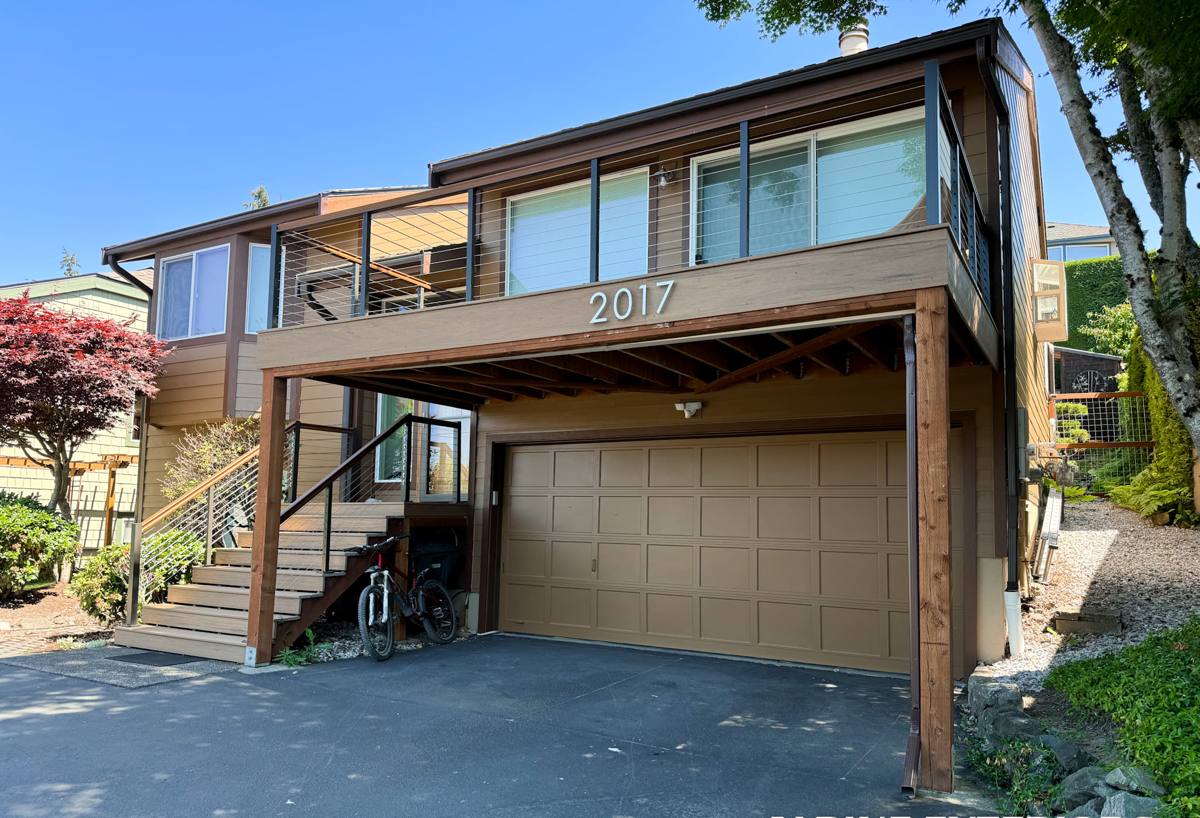
Why Osprey Roofs Take a Different Kind of Beating
Four separate stresses stack on top of each other here, and a roof built for a milder climate simply isn't engineered to handle all four at once.
Hurricane-Force Wind
Sarasota County sits in an area where high-wind design requirements under the Florida Building Code apply, and for good reason. Uplift forces at roof edges, ridges, and corners during a strong storm are far higher than most homeowners realize, and a roof system is only as strong as its weakest connection — the nailing pattern, the strapping between roof and wall framing, and how the deck itself is fastened down.
Intense, Constant UV
Florida sun is harder on roofing materials than sun almost anywhere else in the continental U.S., and it doesn't let up seasonally the way it does farther north. UV breaks down asphalt oils in shingles over time, causing brittleness and granule loss well before a roof's rated lifespan is up if the product or install wasn't suited to this level of exposure.
Wind-Driven Rain
Storms here rarely deliver rain that simply falls and runs off. Wind pushes it sideways and forces it upward under shingle tabs, tile laps, and flashing edges, which is exactly why the layers underneath the visible roofing surface matter as much as the surface itself.
Salt Air
Proximity to the Gulf means salt content in the air is a real, ongoing factor for anything metal on the roof — flashing, fasteners, drip edge, and vent stacks. Lower-grade metal corrodes faster here than it would inland, and a corroded flashing detail is one of the most common sources of a leak that shows up years after installation.
What a Correct Roof Replacement Involves
A roof replacement done right is a system built in layers, each one doing a specific job against the stresses above. Skipping or shortcutting any one of them is how a roof that looks fine on day one ends up leaking or losing shingles in its first serious storm.
Full Tear-Off and Deck Inspection
Stripping the old roofing down to bare decking is the only reliable way to find rot, delamination, or hidden moisture damage that's been developing quietly underneath. It's also the point where any deck repairs get made before anything new goes down — a step a layover install skips entirely, sealing existing problems under a fresh surface instead of fixing them.
Sealed Roof Deck (Secondary Water Barrier)
Florida's building code has required a secondary water barrier on new roof decks since 2010, and for a home in a wind-driven-rain climate like this one, it's one of the most valuable upgrades a replacement provides. A properly sealed deck — whether through self-adhered membrane at panel seams or a fully adhered underlayment system — keeps water out even if the primary roofing layer is compromised in a storm.
Underlayment
Synthetic or self-adhered underlayment gives real secondary protection against wind-driven rain forcing its way under shingle or tile edges. Ice-and-water-style membrane at eaves, valleys, and penetrations adds another layer of protection precisely where water pressure concentrates during a storm.
Flashing at Valleys, Walls, and Penetrations
Most leaks in this region don't start in the open field of the roof — they start at flashing. Valleys, chimney and skylight penetrations, and wall-to-roof transitions all need corrosion-resistant metal, properly lapped and integrated with the underlayment, not caulked on as an afterthought.
Fastening, Strapping, and Wind Rating
Nail count, nail placement, and fastening pattern have to follow manufacturer and code specification exactly, and roof-to-wall connections need to meet current strapping requirements. This is the detail that separates a roof that stays intact in high wind from one that loses shingles or tiles at the edges and corners first.
Ventilation
Balanced intake and exhaust ventilation keeps the underside of the deck dry and moderates attic heat buildup, which matters directly in a climate with this much sustained sun. Poor ventilation shortens shingle life and adds unnecessary cooling load to the house, even when the roof looks fine from the street.
Choosing the Right Roofing Material for an Osprey Home
There's no single correct material for every home in this area — the right choice depends on the home's structure, your budget, and how long you plan to own the property. What matters is understanding the honest trade-offs.
| Material | Typical Lifespan | Fit for Osprey Conditions |
|---|---|---|
| Architectural Asphalt Shingles | 20-25 years | Good wind rating when installed correctly and priced well; UV-resistant granules and proper ventilation matter more here than in milder climates |
| Standing Seam Metal | 40-50+ years | Strong wind and UV performance with minimal maintenance; higher upfront cost offset by longevity and potential insurance credits |
| Concrete or Clay Tile | 40-50+ years | Excellent UV and wind durability when properly fastened, but individual tiles can crack from impact and require careful, specialized repair |
For most Osprey homes, architectural shingles installed with the full system described above remain a practical, well-performing choice. Metal and tile carry a higher upfront cost but can make sense for homeowners planning to stay long-term or looking to reduce maintenance and maximize wind-mitigation credit over the life of the roof.
Wind Mitigation, Permits, and Insurance Considerations
A roof replacement in this part of Florida isn't just a construction project — it's also a paperwork and insurance event, and getting that part right matters as much as the physical install.
- Permitting: A roof replacement in Sarasota County requires a building permit and inspections; a contractor skipping this step is cutting a corner that can cost you later, including at resale.
- Wind mitigation inspection: A new roof built to current code — proper strapping, secondary water barrier, and appropriate fastening — can qualify your home for a new wind mitigation inspection and a meaningful reduction in homeowners insurance premiums.
- Uplift and impact ratings: Materials installed should carry documentation of their wind uplift rating, which your insurer may request as part of any mitigation credit or claim.
- Manufacturer vs. workmanship warranty: These are two separate things — material defects are covered by the manufacturer, while installation quality is covered by the contractor's own workmanship warranty. A bid should spell out both clearly.
Cost Factors Worth Understanding
Two bids for the same Osprey roof can land thousands of dollars apart, and the gap is almost always real differences in scope rather than one contractor simply padding the number.
| Factor | What It Affects |
|---|---|
| Tear-off vs. layover | Whether hidden deck damage gets found and repaired before new roofing goes down |
| Secondary water barrier method | How well the deck resists water intrusion if the primary layer is damaged in a storm |
| Material and wind rating | Expected lifespan, storm performance, and possible insurance credit |
| Flashing scope | How thoroughly valleys, penetrations, and wall transitions are addressed |
| Strapping and fastening upgrades | Whether roof-to-wall connections meet current high-wind code requirements |
| Roof pitch, layers, and access | Labor time, staging, and safety requirements on the job |
Ask any contractor to break these line items out individually rather than handing you a single lump-sum number. It's the only way to compare two estimates that look nothing alike on paper but may be pricing very different jobs.
How Our Process Works
A roof replacement is a major investment in your home, and we run the process so you know exactly what's happening and why at every stage.
- In-person inspection: We walk the roof and attic ourselves and document actual condition, not an estimate from a photo or satellite image.
- Written, itemized estimate: Material, underlayment, flashing scope, and code-required upgrades spelled out separately, not bundled into one number.
- Permitting: We pull the required Sarasota County permit and schedule inspections as part of the job, not as an optional extra.
- Tear-off and deck repair: Full removal down to decking, with any rot or damage repaired before anything new goes on.
- System install: Sealed deck, underlayment, flashing, and roofing material installed to manufacturer spec and current wind code.
- Final walkthrough and documentation: We review the completed roof with you and provide the paperwork needed for warranty registration and any wind mitigation inspection.
A Practical Checklist Before You Choose a Roofer
- Do they perform a full tear-off with deck inspection, not just a layover?
- Is a secondary water barrier / sealed deck method specified in the bid, not just assumed?
- Does the estimate name the actual material, underlayment, and wind rating, not just "new roof"?
- Is flashing work at valleys, penetrations, and walls explicitly written into the scope?
- Do they carry current Florida contractor licensing, liability insurance, and workers' compensation?
- Can they speak specifically to recent work in or near Osprey and Sarasota County's permitting process?
- Does the bid clearly separate the manufacturer's material warranty from the contractor's workmanship warranty?
Signs Your Osprey Roof May Need Replacing
Roofs in this climate rarely fail all at once. They give warning signs first, and catching them early is often the difference between a repair and a full replacement.
- Granules collecting in gutters, signaling shingles wearing thinner than they should at this point in their life
- Curling, cracking, or lifted shingle or tile edges, especially after a windy season
- Visible corrosion or rust streaking around flashing, vent stacks, or fasteners
- Water staining on interior ceilings or in the attic, particularly near valleys or penetrations
- A roof approaching or past the age where its wind mitigation credit and insurance standing start to weaken
If any of that sounds familiar, it's worth having the roof looked at before the next storm season rather than waiting for a leak to force the decision.
Why Hiring a Crew That Already Works Osprey Matters
Codes, permitting steps, and wind mitigation requirements in Sarasota County aren't identical to a neighboring county's, and they change over time. A crew that already works in Osprey knows the current permitting process, has relationships with local inspectors, and has seen firsthand how roofs in this specific area age and fail — which shingle or tile details hold up on an exposed lot near open water versus a more sheltered one, and which corners get cut by contractors passing through for storm work and then leaving town. That local familiarity shows up in fewer surprises during the job and a roof that's actually built for what this area experiences, not a generic install adapted after the fact.
If you'd like an honest, no-pressure look at your Osprey roof and a written estimate you can compare against anything else you've received, we're glad to come take a look. Use the form below to request a free estimate.