 Sarasota Window
 Building Decks for Rosemary District's Mix of Older Homes and New Construction
Rosemary District sits just north of downtown Sarasota, and it's one of the more architecturally mixed neighborhoods in the city — older bungalow-style homes sitting alongside newer infill construction and townhomes, many on smaller urban lots than you'd find further out. That mix matters when you're planning a deck. A structure that makes sense on a wide suburban lot doesn't always fit a narrow downtown-adjacent property, and an older home's existing framing, elevation, and drainage patterns need to be read correctly before you ever set a post.
What doesn't change from house to house is the climate. Sarasota County sits on the Gulf coast, which means every outdoor structure here deals with the same combination of stresses: hurricane-force wind loads, intense year-round UV exposure, wind-driven rain that finds its way into any gap in the building envelope, and salt-laden air that accelerates corrosion on anything metal. A deck built to a generic national standard, without accounting for those four factors together, tends to show problems within a few seasons — loose railings, corroded fasteners, cupped or graying boards, and ledger connections that were never properly flashed.
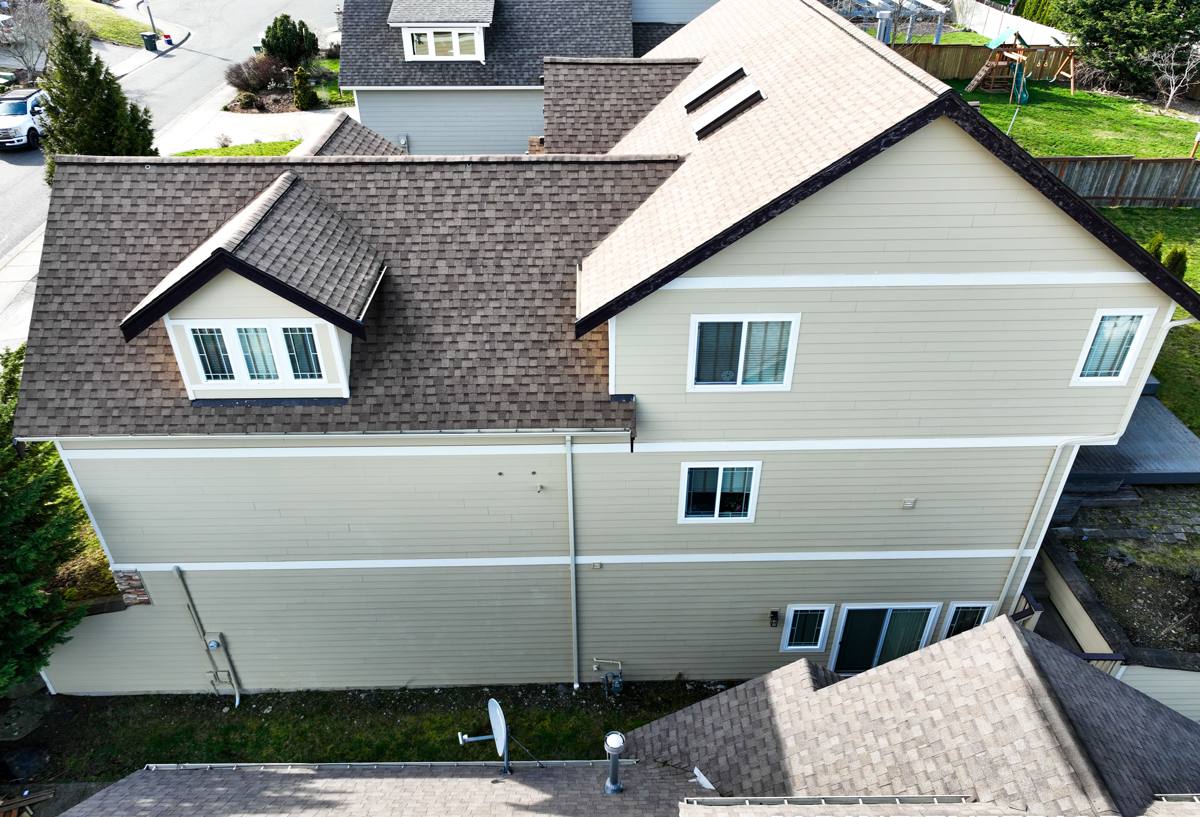
What Rosemary District Homes Need From a Deck
Because of the neighborhood's mix of lot sizes and home ages, we look at a few things specific to this area before designing anything:
- Lot footprint and setbacks. Smaller in-town lots mean deck size and placement often have less margin for error, and getting it wrong can mean a redesign mid-permit.
- Existing structure condition. Older Rosemary District homes may have framing, siding, or foundation conditions that need to be accounted for at the ledger connection — this is one of the most common failure points on any deck, coastal or not.
- Elevation and drainage. Low-lying areas near downtown can hold water after heavy rain events. Deck footings and ledger flashing need to shed water away from the house, not toward it.
- Tree canopy. Established shade trees are common in this neighborhood, which is a benefit for comfort but means more organic debris on deck surfaces and more moisture retention in shaded areas — a material and maintenance consideration, not just a design one.
What a Correctly Built Deck Actually Involves
The Ledger Connection
Where the deck attaches to the house is the single most important structural connection on the entire build. It has to be properly flashed to keep water from getting behind it and into the house's wall assembly, and it has to be fastened with hardware rated for the load and for coastal exposure. This is also the connection most likely to have been done wrong on older decks we're asked to repair or replace — a corroded or improperly flashed ledger board is one of the most common reasons a deck fails inspection or develops rot.
Footings and Framing
Footings need to be sized and set to local frost-free depth and soil-bearing requirements, and framing needs to account for wind uplift, not just downward load. In a hurricane-exposed area like Sarasota County, the connections that resist a structure lifting or racking in high wind — post-to-beam, beam-to-joist, joist hangers — matter as much as the lumber itself. Undersized or wrong-gauge hardware is a quiet failure point; it won't show until a storm tests it.
Fasteners and Hardware
Salt air corrodes standard fasteners faster than most homeowners expect. We use fasteners and structural hardware rated for coastal or marine-grade exposure — stainless steel or coated hardware designed to resist that environment — rather than standard galvanized products that are fine inland but shorten a deck's life near the coast.
Decking Surface and Railings
The visible surface takes the most UV and weather exposure of any part of the structure. Board spacing, fastening method, and railing attachment all affect how the deck ages and how much upkeep it needs. Railings in particular need secure post attachment — this is a life-safety component, not a cosmetic one.
Choosing a Decking Material for This Climate
There's no single "best" material — it depends on budget, maintenance appetite, and how the deck will be used. Here's how the common options hold up under Sarasota's sun, salt air, and rain:
| Material | UV / Fade Resistance | Moisture & Salt Air Behavior | Maintenance |
|---|---|---|---|
| Pressure-treated wood | Fades and grays without regular sealing | Prone to cupping and splintering if not maintained; needs sealed cuts and hardware | Annual cleaning and resealing recommended |
| Composite decking | Good fade resistance, varies by product line | Handles moisture and salt air well; doesn't rot | Periodic cleaning; no sealing or staining needed |
| PVC/capped polymer | Strong UV and fade resistance | Fully moisture and salt resistant; won't absorb water | Low — mostly rinsing and occasional cleaning |
| Tropical hardwood | Naturally UV-resistant but grays without oiling | Naturally rot- and insect-resistant when properly finished | Regular oiling to maintain color and moisture resistance |
Whatever material you choose, we won't recommend anything without being upfront about the trade-off — every decking material has one, whether it's upfront cost, ongoing maintenance, or how it behaves after years of coastal sun and rain. Our job is to make sure you know what you're taking on before the deck goes in, not after.
How the Wind and Rain Actually Wear Decks Down Here
It helps to understand what's actually attacking a deck in this climate, because it changes what "correct" looks like:
- Wind-driven rain gets pushed sideways and upward under normal weather patterns, which means flashing and gaps that would be fine in a calmer climate can leak here. This is especially true at the ledger board and around any railing post penetrations.
- UV exposure is near-constant for most of the year, which breaks down wood fibers, fades composite color over time, and dries out sealants and finishes faster than in northern climates.
- Salt air corrodes exposed metal — nails, screws, joist hangers, bolts — faster than inland environments, which is why fastener selection matters as much as the visible decking material.
- Hurricane-force wind puts uplift and racking loads on the structure that a "good enough" fastening schedule may not resist. This isn't about the occasional storm — it's a standing design condition for anything built near the Gulf coast.
Our Process for a Rosemary District Deck Project
- On-site assessment. We look at your lot, the existing structure if there is one, drainage, sun and shade exposure, and how you actually plan to use the space.
- Design and material selection. We walk through material options honestly, including cost and maintenance trade-offs, and design the layout to fit your lot and how the home is used.
- Permitting. Deck construction in Sarasota County and the City of Sarasota requires permitting, and requirements can vary depending on your specific property and jurisdiction. We handle that process rather than leaving it on you.
- Construction. Proper footings, coastal-rated hardware, correctly flashed ledger connections, and framing built to resist both vertical load and wind uplift.
- Final walkthrough. We go over the finished deck with you, including what maintenance it needs and on what schedule, before we consider the job done.
Why It Matters That We Already Work This Neighborhood
A crew that's worked in Rosemary District has already run into the practical realities of this specific area — the tighter lot lines, the range of home ages and foundation types, the local permitting process, and the drainage patterns of a neighborhood close to downtown. That's the difference between a design that looks right on paper and one that actually works on your property. It also means fewer surprises mid-project, because the site conditions here aren't a guessing game to us.
We also stand behind our own workmanship. If something about the build isn't right, we want to hear about it and fix it — that's a more useful guarantee than a marketing claim, and it's how we approach every deck we build in this area.
Questions to Ask Any Deck Contractor in This Area
Before you hire anyone for a deck project near the coast, it's worth asking directly:
- Are footings sized for local soil conditions and set to the correct depth?
- What fastener and hardware grade is used, and is it rated for coastal/salt-air exposure?
- How is the ledger board flashed where it meets the house?
- Is the framing designed to resist wind uplift, not just downward load?
- Who is pulling the permit, and is that included in the quote?
- What maintenance will the specific decking material need, and how often?
If a contractor can't answer these clearly, that's worth noting before you sign anything.
Get a Straightforward Estimate
If you're planning a new deck or need to replace one that's showing its age in Rosemary District, we're happy to come take a look and walk you through what your property actually needs — no pressure, no upsell. Use the form below to request a free estimate.