 Sarasota Window
 Siding Repair for Rosemary District Homes
Rosemary District sits close to downtown Sarasota, and like most of the city's older, established neighborhoods, it's a mix of long-standing homes and newer infill construction built at different times, to different codes, with different siding materials. That mix matters when something goes wrong with a wall. A repair that's correct for a newer fiber cement installation can be the wrong move entirely for an older wood or vinyl-clad structure a few doors down. Getting the diagnosis right before touching a wall is most of the job.
Sarasota County sits in a demanding climate zone for exterior materials. Hurricane-force wind events, wind-driven rain that gets pushed sideways into wall assemblies, intense year-round UV exposure, and salt-laden air common to the Gulf Coast all work on siding continuously, not just during storm season. Repair work here has to account for all four, or the same failure shows up again in a year or two.
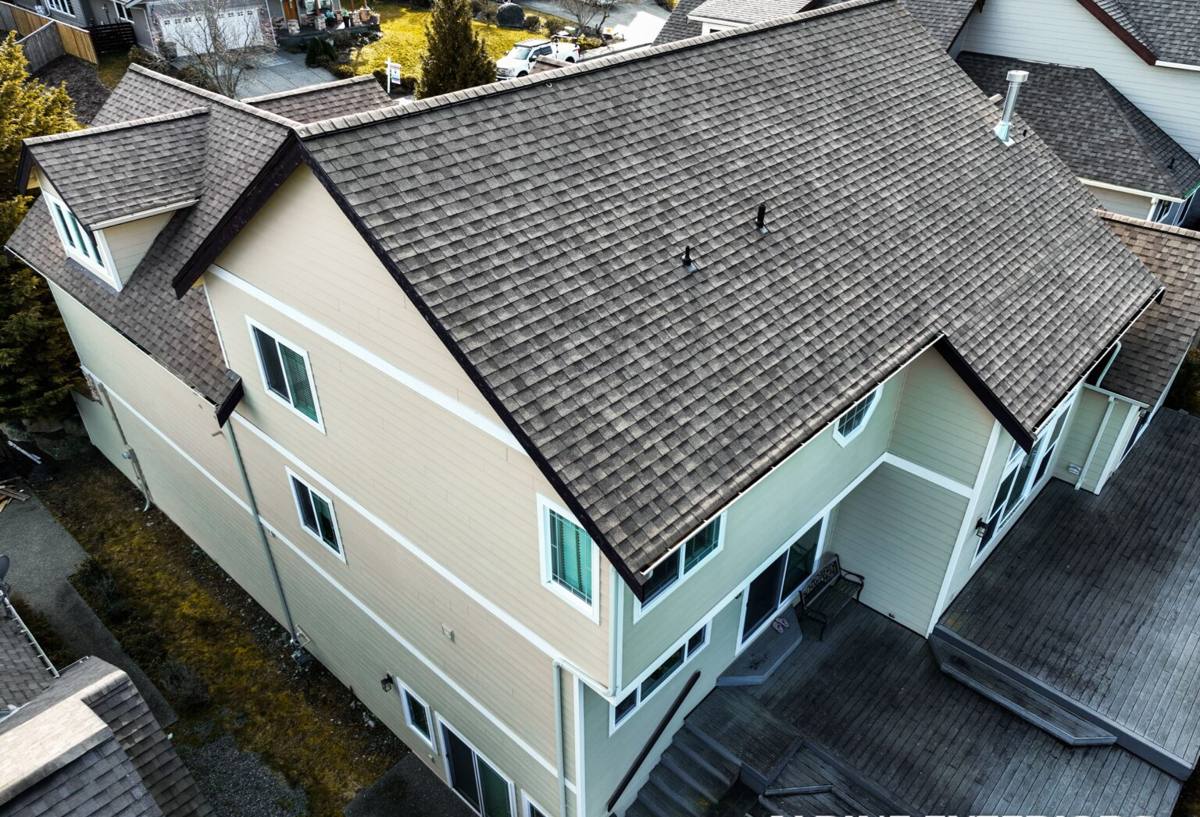
What Sarasota's Climate Does to Siding Over Time
Every siding failure we see in this area traces back to one or more of the same stressors:
- Wind-driven rain forces water sideways and upward under laps, trim, and butt joints that were never designed to shed water from that angle.
- UV exposure breaks down paint films, caulk, and unprotected wood fiber faster here than in most of the country, since Sarasota gets strong sun nearly every month of the year.
- Salt air accelerates corrosion of exposed fasteners, flashing, and metal trim, which is often the real reason a siding panel starts to fail even when the panel itself looks fine.
- High wind events can crack, lift, or dislodge panels and trim, and open small gaps that let the first three problems in.
Individually, any one of these is manageable. Together, and left unaddressed, they turn small cosmetic issues into structural repairs.
Why Repairs Fail When They Skip Diagnosis
A large share of the repair calls we get in Rosemary District are homes where a previous patch job addressed the visible symptom — a cracked board, a stained panel — without checking what was happening behind it. Caulking over a crack, or swapping one damaged panel without checking the water-resistive barrier and flashing underneath, often just delays the same failure by a season or two.
Signs Your Siding Needs a Professional Look
Most homeowners don't need to climb a ladder to catch problems early. Watch for these from the ground:
- Bubbling, peeling, or chalky paint on one wall or elevation but not others
- Soft spots when you press on siding near the bottom of a wall or below windows
- Visible cracks at panel edges, corners, or butt joints
- Staining or dark streaks below seams, trim, or window heads
- Panels that have visibly warped, buckled, or pulled away from the wall
- A musty smell or interior wall discoloration on the room behind an exterior wall
- Missing or rusted fasteners, or trim that's come loose after a windstorm
Any one of these on its own might be minor. Two or three together, especially clustered on the same wall, usually means moisture has been getting behind the siding for a while.
What a Correct Siding Repair Actually Involves
A repair that holds up in this climate isn't just about replacing what's visibly damaged. It involves a few steps that are easy to skip and hard to notice once the wall is closed back up:
1. Find the Actual Source
Damaged siding is often a symptom, not the cause. We check flashing at windows, doors, and roof-to-wall intersections, look at how water is (or isn't) being directed away from the wall, and confirm whether the water-resistive barrier behind the siding is still intact before we replace a single board.
2. Remove Only What Needs to Come Out
We pull damaged panels and trim back to solid, undamaged material — not just the visibly cracked piece — so the repair isn't sitting next to hidden rot or moisture damage that will resurface.
3. Repair the Water Barrier First
Any compromised house wrap, flashing, or sealant gets addressed before new siding goes back on. This is the step that gets skipped most often in rushed patch jobs, and it's the one that determines whether the repair lasts.
4. Match Material and Fastening Correctly
New material has to match the existing siding's profile, exposure, and fastening pattern, and fasteners need to be corrosion-resistant given the salt air common along the Gulf Coast side of the county.
Repair or Replace: How We Help You Decide
Not every damaged wall needs a full re-side, and not every "small" repair is actually small once you're behind the wall. The honest answer depends on a few factors:
| Factor | Favors Repair | Favors Replacement |
|---|---|---|
| Extent of damage | Isolated to one or two panels/areas | Spread across multiple walls or elevations |
| Underlying material | Sound, undamaged sheathing and barrier | Rot, mold, or moisture found behind panels |
| Existing siding material | Already James Hardie fiber cement | Aging wood, vinyl, or LP-type product nearing end of life |
| Age of current siding | Installed recently, isolated storm/impact damage | Original siding is decades old with recurring issues |
| Color/profile match | Current ColorPlus finish or profile still available | Discontinued profile or heavily faded finish |
We'll tell you plainly which side of that table your home falls on. If a repair is the right call, that's what we recommend and price. We don't upsell a full re-side when a section repair will genuinely hold up.
Why We Repair With James Hardie — and What That Means If Your Home Has Something Else
We install and repair with James Hardie fiber cement exclusively. It's non-combustible, holds its factory ColorPlus finish far longer than paint-grade materials under Sarasota's UV load, and is engineered in HZ product lines specifically for high-humidity, storm-prone climates like this one.
If your home currently has vinyl, LP SmartSide, primed wood, or another fiber cement brand, we'll still assess and repair it honestly where a repair makes sense — patching a sound wall isn't a reason to force a full material change. But when damage is extensive enough that replacement is the right call, or when a section needs to be rebuilt rather than patched, we install James Hardie for that section going forward. That's a standard we hold to on every job, not a sales pitch on your specific repair.
A Word on Mixed-Material Walls
Transitioning from an existing material to James Hardie on a partial repair is possible but needs to be planned carefully — trim reveals, panel thickness, and butt-joint detailing all differ between products. We'll walk you through what that transition looks like on your specific wall before any work starts, rather than surprising you with it after.
Our Process for Rosemary District Repairs
- On-site inspection — we look at the damaged area and the surrounding wall, not just the spot you called about
- Moisture and flashing check — confirming whether the problem is cosmetic or has already gotten behind the siding
- Honest repair-or-replace recommendation — in writing, with the reasoning behind it
- Material matching or sourcing — matching existing siding where sound, transitioning to James Hardie where replacement is warranted
- Repair execution — barrier repair first, then siding, trim, and fastening to spec
- Final walkthrough — confirming the repair blends in and the underlying issue is actually resolved
Why a Crew That Already Works This Neighborhood Matters
Rosemary District's proximity to downtown Sarasota means homes here see the same wind funneling effects, storm exposure, and mixed building ages that come with being close to the urban core of a coastal county. A crew that regularly works this specific area has already seen how these homes were built, what materials were commonly used at different points, and where repairs tend to fail if they're done wrong. That's not a substitute for a proper inspection of your home specifically, but it does mean fewer surprises and a more accurate first estimate.
It also means we're not learning Sarasota's climate demands on your project. Wind-driven rain intrusion, salt-air fastener corrosion, and UV-related finish failure all show up in patterns, and recognizing those patterns quickly is part of what keeps a repair from turning into a bigger job than it needed to be.
Protecting a Repair After It's Done
A well-executed repair still benefits from basic upkeep, especially in this climate:
- Rinse siding periodically to clear salt residue, particularly on walls facing prevailing wind
- Check caulking at trim and penetrations annually, since UV exposure breaks it down faster here
- Walk the exterior after major wind events to catch loosened panels or trim early
- Keep gutters and downspouts clear so water isn't sheeting down onto lower wall sections
If you're seeing cracked, stained, or loose siding on a Rosemary District home, we're happy to take a look and give you a straight answer on what it needs — repair or replacement — with no pressure either way. The form below gets you a free estimate from a local crew that already knows this neighborhood.