 Sarasota Window
 Siding Replacement in Fruitville: Built for What Sarasota County Weather Actually Does
Fruitville sits inland from the coast, in the mix of established residential streets and newer development that makes up this part of Sarasota County. Being off the immediate waterfront doesn't exempt these homes from the weather that defines the region. Hurricane-force wind events still hit this corridor directly, the sun here is intense and constant nearly year-round, wind-driven rain still finds its way sideways into wall assemblies during storms, and salt-laden air off the Gulf still travels farther inland than most homeowners assume. Siding that isn't matched to that combination doesn't fail dramatically — it fails quietly, a little at a time, until a homeowner is looking at a wall that's been taking on moisture for longer than it looks.
This page covers siding replacement specifically for Fruitville: what the local climate does to a wall over time, what a correctly done replacement actually involves, and why we've standardized on one product system rather than offering the wider menu some contractors sell from.
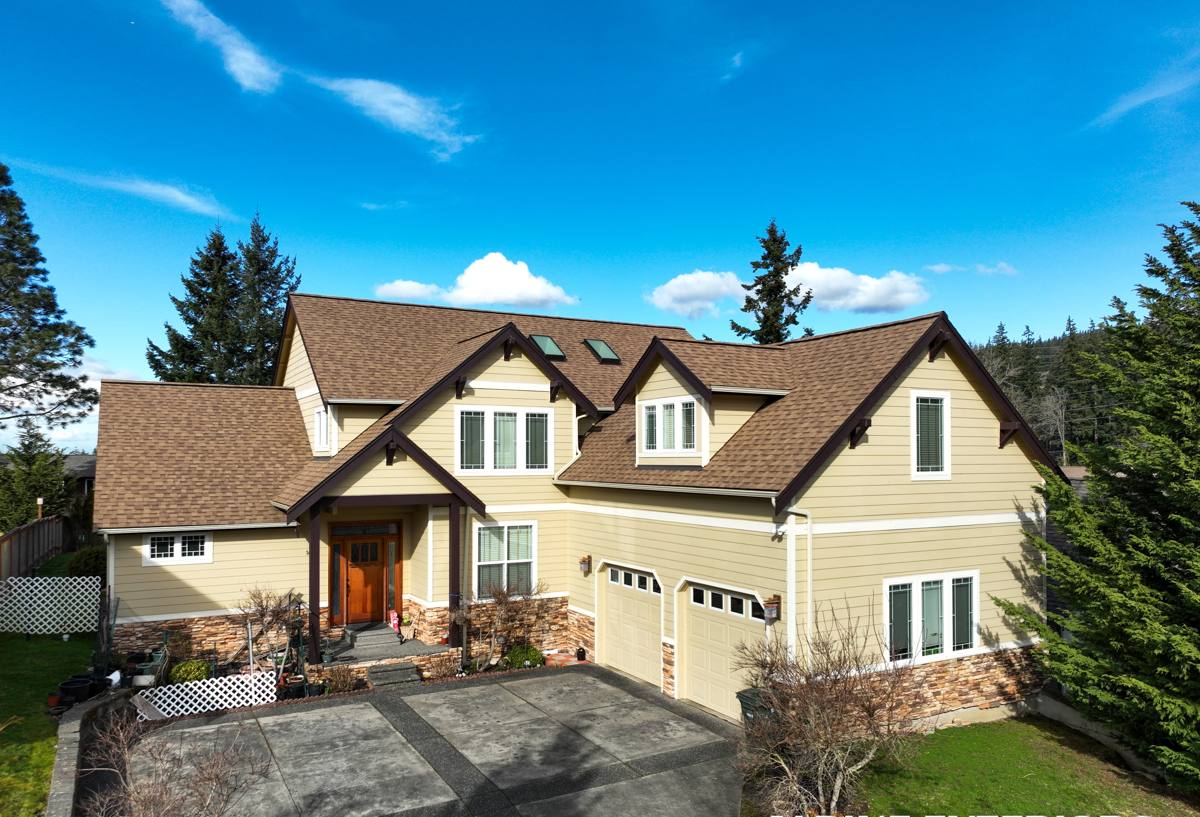
What Sarasota County's Climate Does to Siding
Hurricane-Force Wind
Wind load isn't a once-a-year concern in this part of Florida — it's a design condition every wall assembly here has to be built around. During a storm, wind doesn't just push against siding, it works loose fasteners, flexes panels at their attachment points, and finds any joint that wasn't sealed or lapped correctly. Siding that looks secure on a calm day can still be marginal against an actual wind event if it wasn't installed to the fastening pattern and clearance specs the product requires.
Year-Round, Intense UV
Florida's sun exposure is among the highest in the country, and it works on siding every day, not just in summer. Field-applied paint and lower-grade finishes break down under that kind of UV load faster than they would in a more moderate climate, leading to fading, chalking, and eventual cracking that lets moisture behind the surface. A finish that's baked on at the factory under controlled conditions holds up meaningfully longer than one applied on site.
Wind-Driven Rain
Storm rain in this region rarely falls straight down. Wind pushes it sideways into lap joints, trim details, and anywhere a seam wasn't lapped or sealed to spec. That's a different, more demanding load than a simple annual rainfall total suggests, and it's one of the more common reasons siding that seemed fine for years suddenly shows problems after one bad storm season.
Humidity and Salt Air
Sarasota County's humidity stays high most of the year, and salt-laden air off the Gulf carries farther inland than people expect, including into Fruitville. That combination accelerates corrosion in fasteners and trim hardware and creates conditions where any siding material that holds moisture against the substrate becomes a slow, ongoing problem rather than a one-time repair.
Why We Install Only James Hardie Fiber Cement Siding
We don't install LP SmartSide, vinyl siding, Cemplank, Allura, primed spruce, or cedar. Each of those has a legitimate place in the market, and plenty of homeowners elsewhere are satisfied with them. We made a professional decision, based on what we've consistently seen come off walls in this exact climate, to stand behind one system rather than sell whichever product carries the best margin on a given job.
- Non-combustible core: Fiber cement doesn't feed a fire the way wood-based siding products can, which matters for household safety and can matter for insurance underwriting as well.
- Factory-applied ColorPlus finish: Baked on under controlled conditions rather than brushed on in the field, it resists Florida's UV load and humidity far longer than site-applied paint.
- Climate-engineered HZ product lines: Hardie's HZ5 formulation is built specifically for regions with heavy moisture exposure, which describes Sarasota County's combination of humidity, rain, and storm activity well.
- Dimensional stability: Fiber cement doesn't swell, cup, or warp the way engineered wood siding can after repeated wet-season moisture cycling.
- Strong transferable warranty: Hardie backs its products with one of the more robust warranty structures in the industry, provided the installation follows spec.
A product that's genuinely well-suited to hurricane country, intense UV, and sustained humidity is worth more to a homeowner than a cheaper option that shifts maintenance risk onto them a few years down the road.
Signs a Fruitville Home Needs Siding Replacement
- Soft or spongy siding, especially low on the wall or around window and door trim
- Peeling paint, bubbling, or visible warping on siding boards
- Cracked, chipped, or missing sections after wind or storm events
- Visible gaps at seams, corners, or trim joints where wind-driven rain can track in
- Rust staining around fasteners or trim hardware
- Persistent mildew or dark staining that returns quickly after cleaning
- Rising cooling bills that may point to a wall assembly no longer sealing properly against Florida's heat and humidity
What a Correct Siding Replacement Involves
Tear-Off and Substrate Check
A proper replacement starts with removing the old siding down to the sheathing, not covering over it. That's the only way to catch moisture damage, rot, or corroded framing that's been developing behind the old material, often well before it was visible from outside. Covering existing damage with new siding just locks the problem in place.
Correct Fastening and Clearances
James Hardie siding is engineered to perform against wind load and moisture, but only when it's fastened at the pattern the manufacturer specifies and installed with the correct clearances from grade, roofline, and other penetrations. Skipping these details is one of the most common ways a good product ends up performing poorly.
Lapped Joints, Flashing, and Weather Barrier
Every seam, corner, and trim joint is a potential entry point for wind-driven rain. Correctly lapped joints, properly integrated flashing, and a weather-resistant barrier underneath the siding work together to keep water moving out and away from the wall rather than finding its way behind it.
Matching the Product Line to the Exposure
We spec Hardie's HZ5 line on Fruitville jobs specifically because it's built for high-moisture climates, rather than defaulting to a generic national product formulated for a drier part of the country.
Repair vs. Full Replacement: How That Decision Gets Made
Not every siding problem calls for a full tear-off. The honest factors that actually decide this:
| Factor | Often Repairable | Usually Needs Replacement |
|---|---|---|
| Damage extent | Isolated section, storm impact, one damaged area | Widespread cracking, warping, or gaps across multiple walls |
| Moisture history | No signs of trapped moisture behind the wall | Evidence of moisture tracking behind siding over time |
| Age of existing material | Relatively recent installation in otherwise good condition | Older product at or past its practical service life |
| Substrate condition | Sheathing and framing intact | Rot or corrosion found at the substrate during inspection |
We'll tell you plainly which category a given home falls into, including when a repair genuinely is the more sensible option, rather than defaulting to whichever job is bigger.
Our Siding Replacement Process
Inspection and Estimate
We walk the property in person, assess the existing siding and substrate where visible, and give a real estimate based on the specific home rather than a generic price sheet.
Preparation and Tear-Off
Old siding comes off down to the sheathing so we can address any moisture damage or corroded framing before new material goes on, not after.
Installation to Spec
New James Hardie siding goes on with the fastening pattern, clearances, flashing, and lapped joints the product requires to actually perform against Sarasota County's wind, rain, and humidity.
Final Walkthrough
We review the completed work with the homeowner and address any questions before considering the job finished.
Siding Replacement Cost Factors in Fruitville
| Factor | What It Affects | Why It Matters Here |
|---|---|---|
| Home size and wall complexity | Total material and labor | More trim, corners, and joints mean more places wind-driven rain can intrude |
| Tear-off vs. overlay | Labor scope and substrate access | Tear-off reveals hidden moisture or storm damage common under older siding here |
| Substrate condition | Repair costs before new siding goes on | Trapped humidity can rot sheathing and framing over time |
| Trim and color selection | Material cost and finish longevity | ColorPlus factory finishes resist Florida's UV load far better than field-applied paint |
| Wind rating requirements | Fastening detail and material spec | Sarasota County wind-borne debris considerations affect installation detail on exposed walls |
Exact numbers depend on the specific home, which is why we give real estimates in person rather than over the phone.
Why a Local Sarasota County Crew Matters
A crew that already works Fruitville and the surrounding Sarasota County area sees how hurricane-force wind, year-round UV, wind-driven rain, and salt-laden air actually behave on real houses over a full storm season, not just how a product performs on a spec sheet. That experience shapes practical decisions on install day — where extra flashing attention matters most, which wall orientations take the most sun and rain exposure, and which details are worth the extra time so a homeowner isn't dealing with a callback after the next storm. It also means a more accurate estimate the first time, because the inspection accounts for how this specific climate behaves rather than applying a generic checklist built for a different part of the country.
If your Fruitville home needs siding replacement, repair, or an honest second opinion on what's really going on behind an aging wall, we're glad to take a look. Reach out using the form below to schedule a free, no-pressure estimate.