 Sarasota Window
 Siesta Key's Climate Is Hard on Siding
Siesta Key sits out on the Gulf, and that location is exactly what makes it beautiful — and exactly what makes siding repair here a different job than repair work done a few miles inland in Sarasota. Barrier island homes take a steady, year-round beating that most siding was never designed to handle indefinitely: salt-laden air that accelerates corrosion, intense UV exposure that breaks down caulk and factory finishes faster than the manufacturer's test labs assume, wind-driven rain that gets forced sideways and upward into seams that would stay dry in a calmer climate, and the ever-present threat of hurricane-force wind and debris.
None of that means siding is a losing battle on Siesta Key. It means the repair work has to account for how these homes actually fail, not just patch what's visible and hope the rest holds. We've repaired enough siding on the Key to know the difference between a cosmetic blemish and the early sign of a bigger moisture problem working behind the wall.
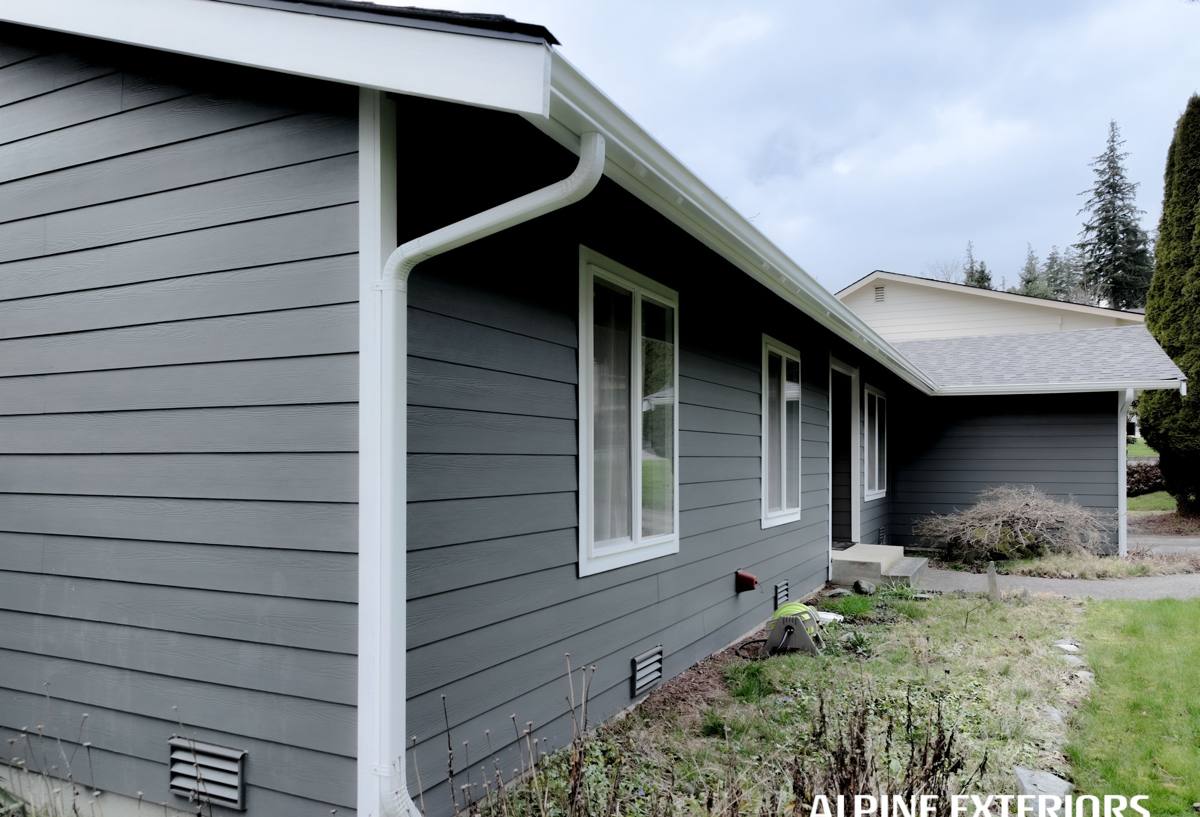
Signs of Siding Damage to Watch For
Coastal damage doesn't always look dramatic at first. A lot of the repair calls we get start with something a homeowner noticed almost by accident. Because Siesta Key has more seasonal and part-time residents than most Sarasota neighborhoods, damage also has more time to progress unnoticed between visits — a small leak found early is a patch; the same leak found eight months later during the next visit can mean rotted sheathing.
- Soft, spongy, or spring-feeling spots when you press on the siding
- Visible gaps or separation at seams, corners, or trim joints
- Paint that's peeling, bubbling, or chalking heavily in one area
- Rust streaks bleeding down from fastener heads
- Panels that look warped, bowed, or no longer sit flat
- Mold or mildew staining that comes back shortly after cleaning
- Cracked, shrunken, or missing caulk lines around windows, doors, or penetrations
- Interior stains on ceilings or walls near exterior corners
- Soft drywall or a musty smell in a room along an exterior wall
Any one of these on its own might be minor. Two or three together, especially clustered in one area, usually means water has been getting behind the siding for a while.
Repair or Replace? How We Decide
Not every damaged section needs a full re-side, and not every "small" repair should stay small. We look at the whole picture before recommending either path — the extent of the damage, what caused it, the age and condition of the siding around it, and what the homeowner actually wants out of the property.
| Factor | Points Toward Repair | Points Toward Replacement |
|---|---|---|
| Extent of damage | Isolated to one section or elevation | Spread across multiple walls or the whole home |
| Cause | One-time impact (debris, ladder, equipment) | Ongoing moisture intrusion or systemic seam failure |
| Age of existing siding | Still well within its expected service life | Nearing or past the age where matching new material is impractical |
| Moisture behind the panels | Dry sheathing and framing on inspection | Soft sheathing, rot, or repeated staining found on inspection |
| Homeowner's plans | Staying long-term, wants to preserve current look | Preparing to sell, or ready to upgrade the whole exterior |
When damage is contained and the structure underneath is sound, a targeted repair is the honest recommendation — there's no reason to re-side an entire elevation to fix one bad seam. When we find rot, widespread fastener corrosion, or a pattern of repeat leaks in the same area, we'll say so plainly, because a patch on top of an ongoing moisture problem just hides it for another season.
What a Proper Siding Repair Involves
A siding repair that actually lasts on a Gulf-front property starts before anyone touches the visible panel. Here's what we do differently from a quick cosmetic patch:
- Inspect past the visible damage. We check the panels around the damaged area, not just the spot itself, and use a moisture meter where intrusion is suspected.
- Remove the damaged section cleanly. Cuts are made along natural seam lines where possible so the repair sits correctly and doesn't leave an awkward patch pattern.
- Inspect the water-resistive barrier and flashing underneath. This is the layer that actually keeps a home dry — if it's torn, gapped, or improperly lapped, we repair it before anything new goes back on. Reinstalling siding over a compromised barrier just resets the clock on the same failure.
- Use fasteners rated for coastal exposure. Standard fasteners corrode quickly in salt air; we use fasteners specified for the environment and the siding manufacturer's fastening schedule, not whatever was originally used if it was under-spec'd.
- Reseal and refinish to match. Caulking at seams and penetrations, and priming or finishing the repaired section so it blends with the surrounding siding rather than standing out as an obvious patch.
Matching Existing Siding When You Repair
Matching is one of the trickiest parts of a repair, and it's where a lot of patch jobs fall short. Profile, exposure width, and surface texture (smooth versus a woodgrain texture) all have to line up with what's already on the wall, or the repaired section reads as a visible seam from the street. Color adds another layer of difficulty: siding with a factory-applied finish holds its color far more consistently over time than field-painted siding, but even factory finishes fade slightly with years of direct Gulf sun, so a brand-new piece can look a shade brighter than a ten-year-old wall next to it.
When the color difference would be noticeable, we'll tell you honestly rather than install a mismatched patch and call it done. Sometimes the right call is repainting the full elevation once the repair is in place, so the whole wall reads as one consistent surface instead of a patchwork of old and new.
Why We Repair (and Rebuild) With James Hardie Fiber Cement
When a repair calls for new siding material — not just a caulk-and-paint fix — we use James Hardie fiber cement, and only James Hardie. We don't install LP SmartSide, vinyl, Cemplank, Allura, primed spruce, or cedar, on repairs or full installs. That's a standard we hold across every job, not a sales pitch specific to this page.
The reason comes down to how these materials actually perform in a climate like Siesta Key's. Fiber cement doesn't rot, doesn't attract termites, and won't warp or buckle in heat and humidity the way some wood and engineered-wood products can if moisture gets past a seam. James Hardie's ColorPlus factory finish is baked on and warranted separately from the substrate, which matters in a place where UV is relentless and field-applied paint tends to fail faster. Hardie also engineers specific product lines (their HZ5 and HZ10 systems) for different climate zones, so what goes on a Gulf Coast home is built with this exposure in mind rather than a one-size-fits-all approach. It's also non-combustible, which is simply a good thing to have on a home regardless of the weather.
None of this means other siding materials are junk — vinyl and engineered wood have their place, and homeowners can make an informed choice either way. It means that after years of doing this work in coastal Southwest Florida, fiber cement is what we're willing to put our name behind.
Coastal-Specific Details That Matter: Fasteners, Flashing, and Sealants
Three details separate a repair that lasts from one that fails again within a couple of years, and all three matter more here than they would fifty miles inland:
- Fasteners: Salt air corrodes standard fasteners over time; rust streaks at nail or screw heads are one of the most common repair calls we get. Corrosion-resistant fasteners, installed at the correct pattern and spacing, cost little extra at the time of repair and prevent an early repeat visit.
- Flashing: Around windows, doors, and any wall penetration, flashing is what actually directs water back out instead of into the wall assembly. Wind-driven rain on Siesta Key can push water sideways and even upward, so flashing details that would be adequate elsewhere sometimes need extra attention here.
- Sealants: Not all caulk holds up to constant UV and salt exposure. We use sealants rated for the exposure and the specific joint, and we don't rely on caulk to do a flashing detail's job — caulk is a secondary line of defense, not the primary one.
Permitting and Wind Requirements for Barrier Island Homes
Sarasota County sits in a wind-borne debris region under the Florida Building Code, which affects material and installation requirements for exterior work, including siding repair in some cases. Whether a given repair triggers a permit depends on its scope, and requirements can vary slightly between unincorporated Sarasota County and specific local jurisdictions. A contractor who regularly works Siesta Key already knows which repairs need a permit pulled, what inspection is expected, and how the local wind exposure affects fastening schedules for the material going on the wall. That familiarity saves homeowners from delays, failed inspections, or repairs that technically look fine but don't meet the wind rating the home actually needs.
Our Process, Start to Finish
We keep the repair process straightforward and communicated clearly at every step:
- Free, no-pressure on-site inspection of the damaged area and surrounding siding
- Moisture and structural assessment where intrusion is suspected
- A written scope of work explaining exactly what's being repaired and why
- Permit pulled if the scope requires one
- Repair performed with matching or Hardie-specified materials, correct fasteners, and proper flashing and sealant details
- Site cleanup and a final walkthrough so you can see the finished work before we call it done
If you're noticing a soft spot, a gap at a seam, or a stain that keeps coming back on a Siesta Key home, it's worth having it looked at before the next storm season rather than after. We offer free, no-pressure estimates for siding repair work on the Key — an honest look at what's actually going on, and a straightforward recommendation on whether it's a repair or something bigger.