 Sarasota Window
 Decks in Southside Village Take a Different Kind of Beating
Southside Village sits close enough to the water and open exposure that its decks live a harder life than decks a few miles inland. Between the sun overhead almost every day of the year, the salt-laden air drifting in off the bay, and the wind-driven rain that comes with Gulf storms, an outdoor deck in this part of Sarasota is under constant attack from three directions at once: heat, moisture, and salt. Add in the real possibility of hurricane-force winds during storm season, and it's easy to see why decks here age faster than the manufacturer's brochure suggests they should.
None of that means a deck is a bad investment in Southside Village — it means the deck has to be built and replaced with those conditions in mind, not with a generic approach that might work fine in a drier, calmer climate. That's the difference between a deck that looks good for two summers and one that holds up for the long haul.
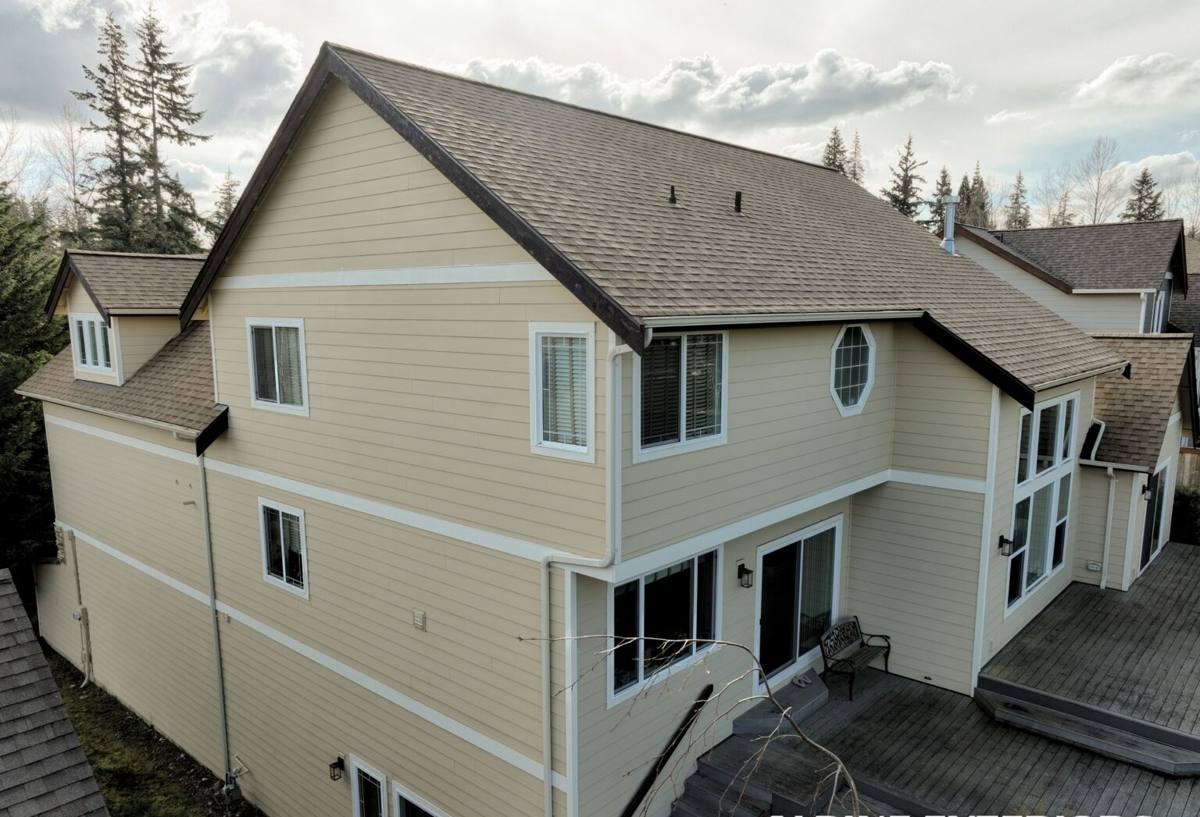
Why Replacement Becomes Necessary Here
Every deck eventually reaches a point where repair stops making sense. In Southside Village, a few local factors tend to push that point up faster than homeowners expect:
- UV breakdown: Sarasota's near-constant sun bleaches and dries out wood fibers, and it degrades the surface layer of lower-grade composite boards over time.
- Wind-driven rain intrusion: Storms here rarely come straight down — wind pushes rain sideways and up under railings, ledger boards, and joints, soaking areas that were never designed to handle standing moisture.
- Salt air corrosion: Metal fasteners, brackets, and connectors corrode faster this close to the coast, even when they're rated for exterior use, if they weren't the right grade to begin with.
- Wind uplift: A deck's structural connections — how the ledger attaches to the house, how joists tie to beams, how posts anchor to footings — take real load during high wind events, and older framing methods weren't always built to today's wind standards.
Individually, any one of these is manageable. Together, over years, they're what turns a repairable deck into one that needs to come out and be rebuilt correctly.
Signs It's Replacement Time, Not Another Repair
Homeowners often ask us to just patch a board or two, and sometimes that's genuinely the right call. But there are signs that point toward full replacement instead of chasing repairs one at a time:
- Soft, spongy, or spring-back decking when you walk across it — a sign moisture has reached the substrate or framing below.
- Visible corrosion or rust staining around fasteners, brackets, or the ledger board connection to the house.
- Gaps opening up between boards, or boards cupping and twisting even after routine maintenance.
- Wobble or movement in railings or posts — often a structural connection issue, not a cosmetic one.
- A deck older than 15-20 years that has never had its framing inspected, only the surface boards replaced.
If more than one of these shows up at once, it usually means the problem has moved past the decking surface and into the structure underneath — and that's not something worth patching around.
What a Correct Deck Replacement Actually Involves
A deck replacement done right is not just pulling up old boards and screwing down new ones. It starts below the surface, with the parts nobody sees once the project is finished.
Structure First
We evaluate the ledger connection to the house, the condition of posts and footings, and whether the joist spacing and beam sizing meet current load and wind requirements. In a coastal wind zone like Sarasota County, framing that was adequate decades ago may not meet what's expected of a deck built or replaced today.
Fasteners and Hardware
This is where a lot of premature deck failure originates. Standard fasteners corrode quickly in salt air. We use corrosion-resistant, coastal-rated hardware and connectors throughout — ledger flashing, joist hangers, structural screws — because the hardware holding a deck together matters as much as the decking itself.
Flashing and Moisture Management
Where the deck meets the house is the single most common failure point on any deck, anywhere. Proper ledger flashing keeps wind-driven rain from working its way behind the board and into the house's structure. This step gets skipped more often than it should, and it's one of the most important parts of a replacement.
Decking Surface
Once the structure is sound, the surface material goes down — and that choice matters a lot in this climate, which is where material selection comes in.
Choosing a Decking Material for This Climate
There's no single "best" decking material for every home — it depends on budget, maintenance tolerance, and how much sun and salt exposure the deck actually gets. Here's how the common options compare for a coastal Sarasota County property:
| Material | Sun / UV Behavior | Salt Air / Moisture | Maintenance |
|---|---|---|---|
| Pressure-treated wood | Fades and grays without regular sealing | Needs sealing to resist moisture intrusion | Annual cleaning and re-sealing recommended |
| Composite decking | Fade-resistant on quality products; lower grades can chalk over time | Handles salt air well; check fastener and substructure hardware separately | Low — periodic washing, no sealing |
| PVC / capped polymer | Very stable in full sun, minimal fading | Excellent moisture resistance, doesn't absorb water | Low — occasional cleaning |
| Tropical hardwoods | Naturally UV-resistant but will silver without oiling | Dense and rot-resistant when properly finished | Higher — periodic oiling to maintain appearance |
We don't push one material as universally "best" — we walk through the honest trade-offs (upfront cost, maintenance time, how it will actually hold up under this specific deck's sun and rain exposure) and let the homeowner decide what fits their budget and how much upkeep they actually want to do.
Our Deck Replacement Process
- On-site assessment: We look at the existing deck's structure, ledger connection, footings, and current condition to determine what's driving the need for replacement.
- Plan and material selection: We walk through decking material options, railing choices, and any layout changes, with pricing that reflects the actual scope — not a rough guess.
- Removal: The old deck comes out, including checking what's underneath — footings and framing get reused only if they genuinely meet current standards.
- Structural rebuild: Framing, ledger flashing, and coastal-rated hardware go in first, built to current wind and load expectations.
- Decking and railing installation: The chosen surface material and railing system are installed with proper spacing for drainage and expansion.
- Final walkthrough: We go over the finished deck together, including what maintenance (if any) the material requires going forward.
Permits and Local Code Considerations
Deck replacement work in Sarasota County typically requires a permit, and inspections along the way confirm the structural work — footings, framing, connections — meets current code before the decking surface goes down and covers it up. Wind load requirements factor into how the deck is framed and fastened, given the storm exposure in this part of the state. We handle the permitting and inspection process as part of the job, so it's one less thing the homeowner has to track down or worry about getting wrong.
What It Costs to Replace a Deck Here
Deck replacement pricing varies by size, material, and how much structural work is involved — a straightforward resurface on sound framing costs very differently than a full rebuild that includes new footings. Rather than quote a single number that won't apply to most homes, here are the factors that actually move the price:
| Cost Factor | Why It Matters |
|---|---|
| Deck size and layout | Square footage and complexity of shape (steps, angles, multiple levels) drive material and labor |
| Decking material chosen | Pressure-treated wood, composite, and PVC sit at different price points, with composite and PVC costing more upfront |
| Structural condition | Whether footings, posts, and framing can be reused or need full replacement |
| Railing system | Basic railings versus upgraded cable, glass, or composite rail systems |
| Access and site conditions | Second-story decks, tight side yards, or limited equipment access add labor time |
We give a written estimate after seeing the actual deck in person, broken down so it's clear what's driving the cost — not a flat number pulled out of thin air.
Keeping a New Deck Performing After Replacement
A well-built replacement deck can last decades in this climate, but a few basic habits go a long way toward getting there:
- Rinse off salt residue and debris periodically, especially after storms with heavy wind-driven spray.
- Check railings and stair connections once or twice a year for any movement or loosening.
- Keep gutters and downspouts clear so runoff isn't dumping extra water directly onto or under the deck.
- For wood decking, re-seal on the schedule the product calls for — don't wait until graying is already advanced.
- After any major storm, do a quick visual check of fasteners, ledger flashing, and footing areas for early signs of trouble.
Why Local Experience in Southside Village Matters
A deck built for a dry, inland climate and a deck built for a Sarasota County property a few blocks from the water are not the same project, even if they look identical from the street. A crew that regularly works in Southside Village already knows which fastener grades hold up, how ledger flashing needs to be detailed against wind-driven rain, and what framing actually needs to look like to handle Gulf coast wind events — because they've seen what happens when it isn't done that way. That local, repeated experience is what keeps a replacement from turning into another repair call five years down the road.
If your deck in Southside Village is showing its age — soft boards, corroding hardware, or just decades of Florida sun and salt catching up with it — we're happy to take a look and talk through what replacement would actually involve for your specific deck. There's no pressure and no obligation, just a straight assessment and a written estimate using the form below.