 Sarasota Window
 Storm Damage Roof Repair in Nokomis
Nokomis sits close enough to the Gulf that its roofs take a different kind of beating than homes further inland. Hurricane-force winds during the active season, near-constant UV exposure the rest of the year, wind-driven rain that finds every weak seam, and salt-laden air that speeds up corrosion on fasteners and flashing all work on a roof at the same time. A roof that looks fine from the driveway can already have lifted shingles, compromised underlayment, or a soaked layer of decking underneath. Storm damage repair here isn't just about patching what's visibly broken after a named storm blows through — it's about correctly identifying everything a storm loosened, cracked, or soaked, and fixing it in a way that holds up until the next one.
This page covers what storm damage repair actually involves for a Nokomis home, how we decide between repair and replacement, and why local experience matters more than it might seem.
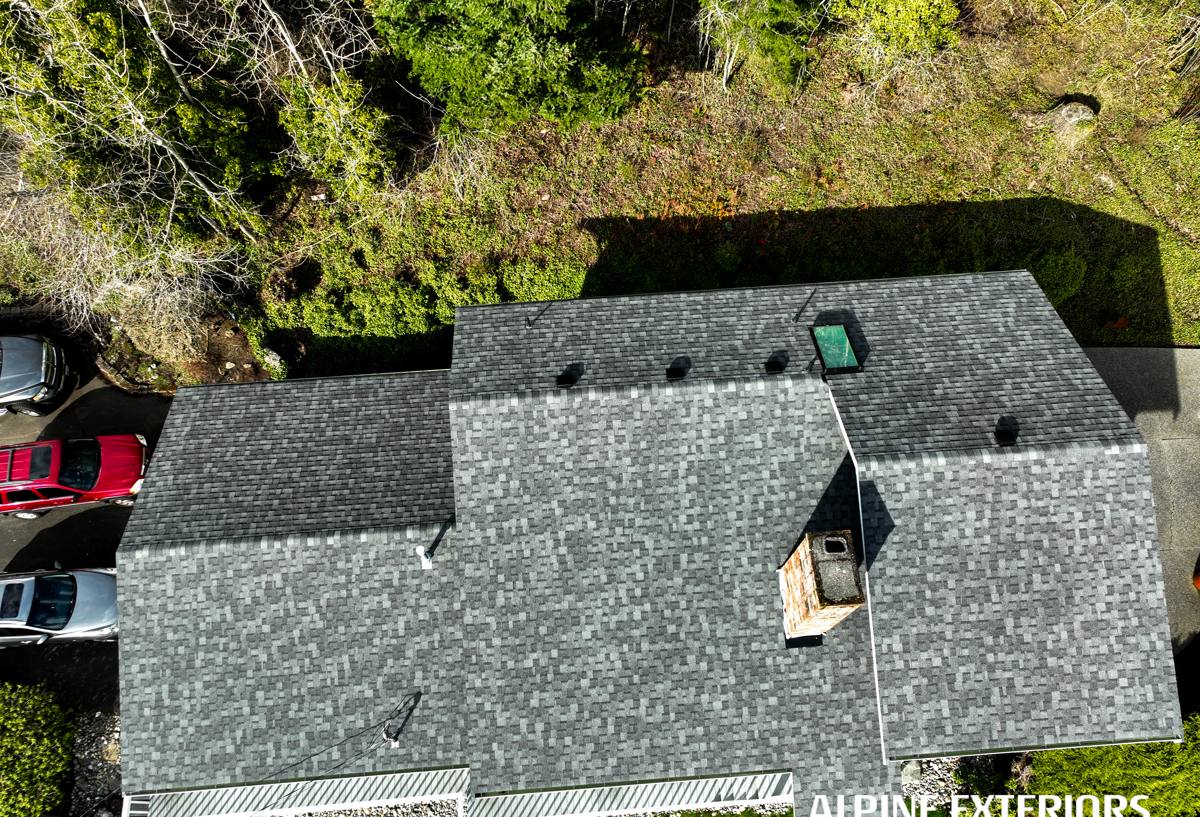
How to Tell If Your Roof Has Storm Damage
Some storm damage is obvious — missing shingles, a tree limb through the decking, a soffit torn loose. Most of it isn't. Wind can lift a shingle's seal without tearing it off, and it will look normal until the next rain finds the gap. Hail or debris can bruise a shingle's mat without breaking the surface granules right away. That's why a proper storm inspection covers more than what's visible from the ground.
- Shingles that look curled, cupped, or slightly lifted at the edges, even if none are missing
- Granules collecting in gutters or at downspout discharge points
- Soft or spongy spots when walking the roof, which usually means wet decking
- Cracked, bent, or missing flashing around chimneys, vents, and skylights
- Water stains or a musty smell in the attic or on interior ceilings after a storm
- Dented or creased ridge caps and hip shingles, which take the brunt of wind uplift
- Debris marks, bruising, or dimpling on shingles from hail or wind-blown branches
- Gaps or separation where the roof meets a wall, chimney, or dormer
If a storm hit hard enough to knock out power or drop branches in the yard, it's worth having the roof looked at even if nothing seems wrong from below. Small, unaddressed damage after one storm is almost always what turns into a much bigger repair — or an interior leak — after the next one.
What a Correct Storm Damage Repair Actually Involves
Inspection Before Anything Else
A repair is only as good as the inspection behind it. That means getting on the roof, not just looking at it with binoculars from the ground, and checking the decking, flashing, ventilation, and underlayment condition — not just the shingles. Skipping this step is the most common shortcut in the storm repair business, and it's how homeowners end up paying twice: once for a quick patch, and again a year later when the underlying damage finally shows up as a leak.
Temporary Protection When Needed
If a storm has left the roof deck exposed — missing shingles, a hole, or torn underlayment — the first priority is keeping water out until the permanent repair can be done. That usually means a properly secured tarp, not a quick sheet of plastic that tears loose in the next gust. Done wrong, temporary protection causes its own damage from fasteners or improper anchoring.
Removing and Replacing Damaged Materials Correctly
Storm repair means pulling out everything that's compromised, not just what's easiest to reach. That includes damaged shingles, saturated underlayment, and any decking that's gone soft from prolonged moisture exposure. Reusing wet decking or leaving damaged underlayment in place under new shingles is a shortcut that hides a problem instead of fixing it.
Flashing, Sealant, and Detail Work
Most roof leaks after a storm don't come from the open field of shingles — they come from the details: chimney flashing, pipe boots, valleys, and wall transitions. Wind-driven rain in particular gets pushed sideways and upward under flashing that looks intact but has lost its seal. A repair that only replaces shingles and ignores the flashing is an incomplete repair.
Repair vs. Replacement: How We Make the Call
Not every storm-damaged roof needs to come off. But sometimes a repair is a band-aid on a roof that's already near the end of its service life, and that's not a good use of anyone's money. Here's roughly how the decision breaks down.
| Factor | Repair Usually Makes Sense | Replacement Usually Makes Sense |
|---|---|---|
| Extent of damage | Isolated to one section or a handful of shingles/flashing points | Widespread across multiple roof planes |
| Roof age | Roof is less than roughly half its expected service life | Roof is already near or past its expected lifespan |
| Decking condition | Decking is sound and dry once opened up | Multiple areas of soft, delaminated, or rotted decking |
| Shingle match | Matching shingles are still reasonably available | Discontinued or badly weathered shingles that won't blend |
| Storm history | First significant damage event on an otherwise healthy roof | Repeated storm damage claims on the same roof over recent years |
We'll always tell you honestly which side of that table your roof falls on, and why — including when a repair is genuinely the right call and a full replacement would be overkill.
Materials and Methods for Nokomis's Coastal Climate
What holds up on a roof further inland doesn't always hold up the same way this close to the Gulf. A few things we pay specific attention to on storm repairs in this area:
- Corrosion-resistant fasteners and flashing. Salt air accelerates rust on standard fasteners over time; using corrosion-resistant hardware on repairs matters more here than it does further inland.
- Sealed, reinforced valleys. Valleys concentrate water flow and are one of the first places wind-driven rain finds a weakness — they get extra attention on every repair, not just a bead of sealant.
- Proper attic ventilation. Intense year-round UV bakes shingles from above; poor ventilation bakes the decking from underneath. A repair that ignores ventilation shortens the life of the new materials.
- Algae- and UV-resistant shingle options. Given how much direct sun this area gets, we'll walk you through shingle options built for UV exposure rather than defaulting to whatever's cheapest.
- Wind-rated installation practices. Nail patterns and sealant strip activation matter more in a wind zone that regularly sees tropical-storm and hurricane conditions than they do in a milder climate.
Insurance Claims and Storm Damage Repair
Many storm repairs in this area involve a homeowner's insurance claim, and how the repair is documented matters almost as much as how it's done. We'll photograph and document damage thoroughly before any work starts, which gives you a clear record for your adjuster. We're also happy to walk your roof with an adjuster and point out damage that isn't obvious from the ground.
One honest note: be cautious of anyone who shows up unsolicited after a storm promising a "free roof" through your insurance, pressures you to sign a contract on the spot, or claims damage that isn't actually there. A legitimate repair is based on what's actually wrong with your roof, documented honestly — not on what maximizes a claim. We'd rather give you a straight scope of work than an inflated one.
Our Process From Call to Completed Repair
- Initial call and scheduling. Tell us what happened and what you're seeing; we'll get a technician out promptly, especially if there's active exposure to the elements.
- On-roof inspection. We check shingles, flashing, decking, and ventilation — not just what's visible from the ground.
- Temporary protection if needed. If the roof is actively exposed, we'll secure it properly before doing anything else.
- Written estimate. A clear scope of work and cost range before any repair begins, with no pressure to decide on the spot.
- Permitting, if required. Some repairs in Sarasota County require a permit depending on scope; we handle that so you don't have to track it down.
- The repair itself. Damaged materials removed, decking checked and replaced where needed, flashing and underlayment properly detailed, new materials installed to manufacturer and wind-rated specifications.
- Final walk-through. We show you what was done and answer questions before calling the job complete.
Why Hire a Crew That Already Works in Nokomis
After a significant storm, it's common to see unfamiliar trucks going door to door offering fast roof repairs. Some of that work is fine. A lot of it isn't, and the crew is often gone from the area before a problem shows up. A local crew has a reputation to protect in this community, understands the wind and building code requirements that apply in Sarasota County, and isn't going anywhere if a question comes up six months after the repair.
Familiarity with the area also means fewer surprises on the job. We already know what kind of roofing systems are common on homes in and around Nokomis, what typically fails first in this climate, and how local permitting works — none of which has to be figured out from scratch on your roof.
If your roof took a hit from a recent storm — or you just want a professional set of eyes on it before the next one — we're glad to come take a look. The estimate is free, there's no pressure to sign anything on the spot, and you'll get a straight answer about what your roof actually needs. Use the form below to get started.