 Sarasota Window
 Roofing in The Meadows: What Makes This Neighborhood Different
The Meadows is one of Sarasota's older established communities, with tree canopy, mature landscaping, and a mix of home ages and roof types that you don't see in a brand-new subdivision. That combination changes how a roof replacement should be planned here compared to a wide-open new-build lot. Overhanging oak and pine limbs mean more debris load and more shade-driven moss and algae growth on north-facing slopes. Deed restrictions and architectural guidelines in parts of the community can also affect which roofing materials, colors, and profiles are approved before a permit is even pulled.
None of that is a problem if the crew doing the work already understands it. It becomes a problem when an out-of-town contractor treats every Sarasota County roof the same way and skips steps that matter specifically here.
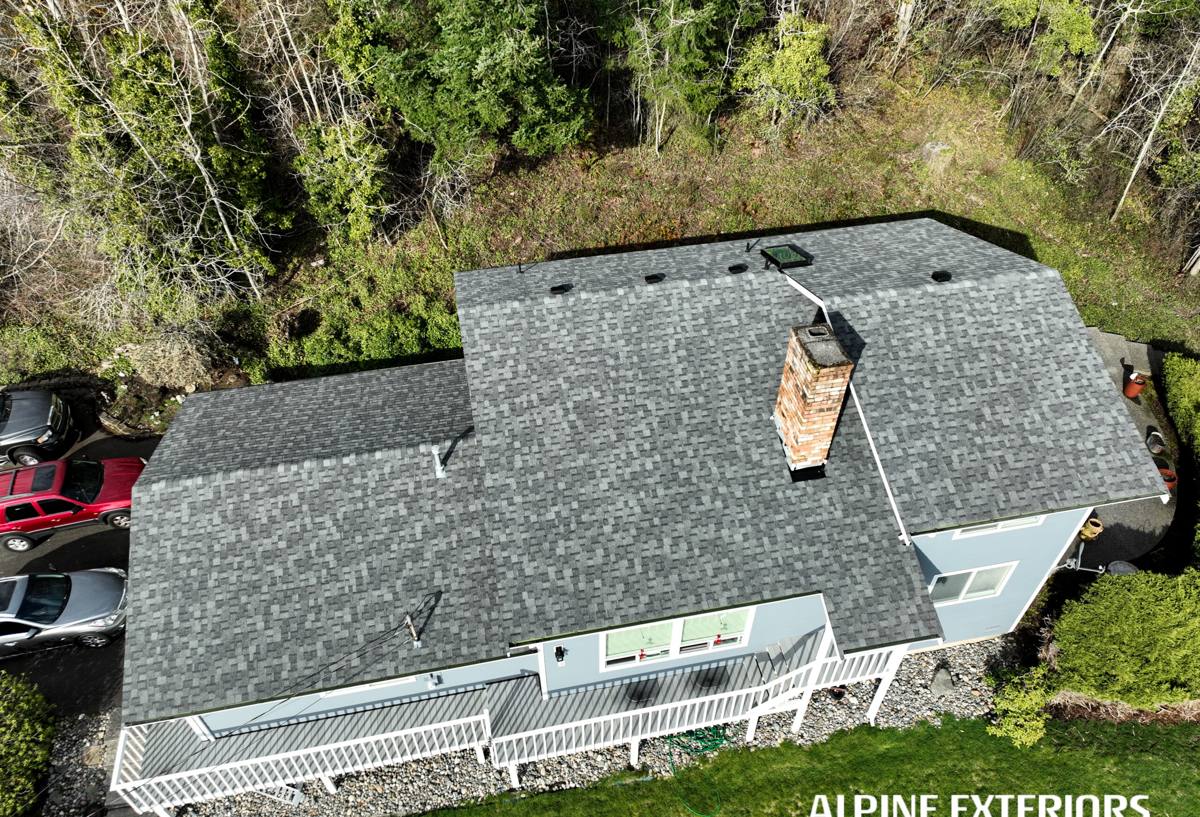
What Sarasota's Climate Does to a Roof Over Time
Every roofing material sold in Florida is rated to handle heat and rain in a lab. Fewer are actually installed to handle what Sarasota throws at a roof year-round:
- Hurricane-force wind: Sustained tropical-storm and hurricane winds test every fastener, nail pattern, and starter course. A roof that looks fine in a light storm can fail catastrophically in a named one if the underlying attachment wasn't done to current wind-uplift standards.
- Year-round intense UV: Sarasota gets more direct sun exposure across more months than most of the country. UV breaks down asphalt oils, tile coatings, and sealants faster here than in northern climates, which is why manufacturer warranties often assume conditions milder than ours.
- Wind-driven rain: It's not just how much rain falls — it's the angle it comes in at during a storm. Wind-driven rain finds gaps in flashing, underlayment laps, and vent boots that would never leak in a straight-down rain.
- Salt air: Even set back from the coast, Sarasota County homes deal with airborne salt that accelerates corrosion on exposed metal fasteners, flashing, and drip edge.
A roof replacement done correctly in The Meadows has to account for all four of these at once — not just meet minimum code, but be installed in a way that actually holds up to local conditions over the life of the roof.
Signs a Meadows Home Needs a Roof Replacement, Not Another Repair
Repairs make sense for isolated damage. Replacement becomes the right call when the roof's overall condition, not just one spot, is compromised. Common signs we look for on inspections in this neighborhood include:
- Granule loss and bald patches on asphalt shingles, especially on south- and west-facing slopes that take the most UV
- Cracked, slipped, or missing tiles, or tiles that sound hollow or loose when walked
- Soft spots in the roof deck found during a walk-on inspection, often from long-term slow leaks around valleys or penetrations
- Repeated leaks in different locations after storms, rather than one recurring spot
- Visible daylight or staining in the attic around vents, chimneys, or skylights
- A roof approaching or past the manufacturer's expected service life for its material, especially if the last full inspection was years ago
If your roof is showing two or more of these at once, patchwork repair usually costs more over a few years than doing the replacement right the first time.
Age Isn't the Only Factor
A well-installed roof can outlast its "expected" lifespan; a poorly installed one can fail early. That's why we base a replacement recommendation on actual condition — deck integrity, fastening, flashing, ventilation — not just the number on the permit date.
What a Correct Roof Replacement Involves Here
A roof replacement is more than stripping old material and laying new. In a wind- and rain-exposed county like Sarasota, the parts that don't show on the surface are what determine whether the roof performs in the next storm.
Tear-Off and Deck Inspection
Full removal of the old roofing down to the deck, with every sheet of plywood or OSB inspected for rot, delamination, or soft spots. Any compromised decking gets replaced before anything new goes down — covering a bad deck with new roofing just hides the problem.
Underlayment
Given how much wind-driven rain this area sees, underlayment choice and installation matter as much as the visible roofing material. Proper lapping, sealing at penetrations, and coverage in valleys are what actually keep water out during a sideways rain event, not just the shingles or tiles on top.
Fastening to Current Wind-Uplift Standards
Nail or fastener pattern, spacing, and type are engineered to current Florida Building Code wind-uplift requirements for our zone. This is the single biggest factor in whether a roof stays attached during a hurricane, and it's also the step most likely to get shortcut by a crew rushing through volume work.
Flashing and Penetrations
Chimneys, skylights, plumbing vents, and wall-to-roof transitions are where most leaks start. Flashing here needs to be corrosion-resistant given the salt air, and installed — not just caulked — to shed water correctly.
Ventilation
Proper attic ventilation keeps deck temperatures and moisture in check, which extends the life of both the roofing material and the deck underneath. It's often overlooked on replacement jobs that focus only on the visible layer.
Final Inspection and Permit Close-Out
Sarasota County requires permitting and inspection for roof replacement work. We handle that process as part of the job, not as an afterthought, so you have a documented, code-compliant roof on record.
Comparing Roofing Materials for The Meadows
There's no single "best" material for every home — it depends on your roof's slope, your home's structure, HOA or architectural guidelines, and your budget. Here's how the common options perform against Sarasota's specific climate demands.
| Material | Wind Performance | UV / Heat Behavior | Maintenance | Typical Lifespan |
|---|---|---|---|---|
| Architectural Asphalt Shingle | Good, when fastened to current wind-uplift spec | Granule loss over time from constant UV; darker colors run hotter | Low; periodic inspection after storms | 15–25 years in this climate |
| Concrete or Clay Tile | Very good when properly fastened; individual tiles can crack from debris impact | Handles UV well; color coatings can fade over decades | Occasional tile replacement, keep valleys clear of debris | 30–50 years |
| Standing Seam Metal | Excellent wind resistance with correct fastening system | Reflects heat well; coating can chalk over very long exposure | Low; check fastener and sealant condition periodically | 40-plus years |
| Flat / Low-Slope Roofing (modified bitumen, TPO) | Depends heavily on correct installation and edge detailing | UV-resistant membranes hold up well when properly installed | Periodic inspection of seams and drains | 15–25 years |
Whatever material you choose, the installation quality matters more than the material spec sheet. A premium tile roof installed with weak fastening will underperform a mid-grade shingle roof installed correctly to code.
Cost Factors for a Meadows Roof Replacement
We don't quote pricing without seeing the actual roof, but the factors that move the price up or down are consistent:
- Roof size and complexity: More valleys, hips, dormers, and penetrations mean more labor and material.
- Current material and tear-off scope: Removing multiple layers of old roofing or heavier materials like tile adds labor.
- Deck condition: Rotted or delaminated decking found during tear-off requires replacement before new roofing goes on.
- Material choice: Asphalt shingle, tile, and metal carry different material and labor costs, as shown above.
- Access and site conditions: Mature trees, tight lot lines, or limited driveway access can affect staging and labor time.
- Permitting requirements: Sarasota County permit and inspection fees are part of any legitimate replacement quote.
Be cautious of any quote that's dramatically lower than others for the same scope of work — it usually means something is being skipped, whether that's underlayment quality, fastening spec, or deck repair.
Our Process for Meadows Roof Replacement Projects
- On-site inspection: We walk the roof and attic, document actual condition, and explain what we find in plain terms.
- Written scope and estimate: A clear breakdown of material, tear-off scope, and any deck repair contingencies — no vague allowances.
- Permitting: We handle the Sarasota County permit application so the job is documented and code-compliant from the start.
- Material delivery and staging: Scheduled to minimize disruption to your property and landscaping.
- Tear-off and deck inspection: Old roofing removed, deck inspected and repaired as needed before moving forward.
- Installation: Underlayment, flashing, fastening, and finish material installed to current wind-uplift and code standards.
- Final walkthrough and inspection sign-off: We review the completed roof with you and close out the county inspection.
Why a Crew That Already Works The Meadows Matters
A roof replacement crew that's worked in this neighborhood before already knows the practical details that affect scheduling and quality — how tree canopy and setbacks affect staging and cleanup, what architectural review or HOA submittal steps may apply before work starts, and which Sarasota County inspectors and permit steps to expect. That familiarity means fewer surprises mid-project and a cleaner process from estimate to final sign-off.
It also means accountability. A crew that plans to keep working in this community has every reason to do the job right the first time and stand behind it — not just move on to the next zip code.
Getting Started
If your roof is showing wear, past its expected lifespan, or you're not sure whether it needs repair or full replacement, an on-site inspection is the only way to know for sure. We'll walk the roof, give you a straight answer, and lay out your options — no pressure, no scare tactics. Reach out for a free estimate using the form below.