 Sarasota Window
 Siding Built for University Park's Climate, Not Just Its Look
University Park sits inland from the coast, but "inland" doesn't mean sheltered. Homes in this community still take a direct hit from everything Southwest Florida throws at an exterior wall: sustained tropical winds and hurricane gusts, months of intense subtropical sun, wind-driven rain that gets forced sideways into seams and laps, and a steady dose of salt-laden air that drifts inland on sea breezes off Sarasota Bay and the Gulf. Siding here isn't just cladding — it's the first line of defense between that weather and the framing, sheathing, and insulation behind it.
A lot of siding sold nationally is engineered for a generic climate. It may hold up fine in a dry inland state, then underperform here within a handful of years — cupping, swelling at the seams, chalking out in the UV, or letting moisture track behind the panel where nobody can see it until there's a soft spot or a mold smell. When we replace siding on a University Park home, we're not just matching the color of the house next door. We're specifying a system that's built to handle this specific climate, and installing it the way the manufacturer actually engineered it to be installed.
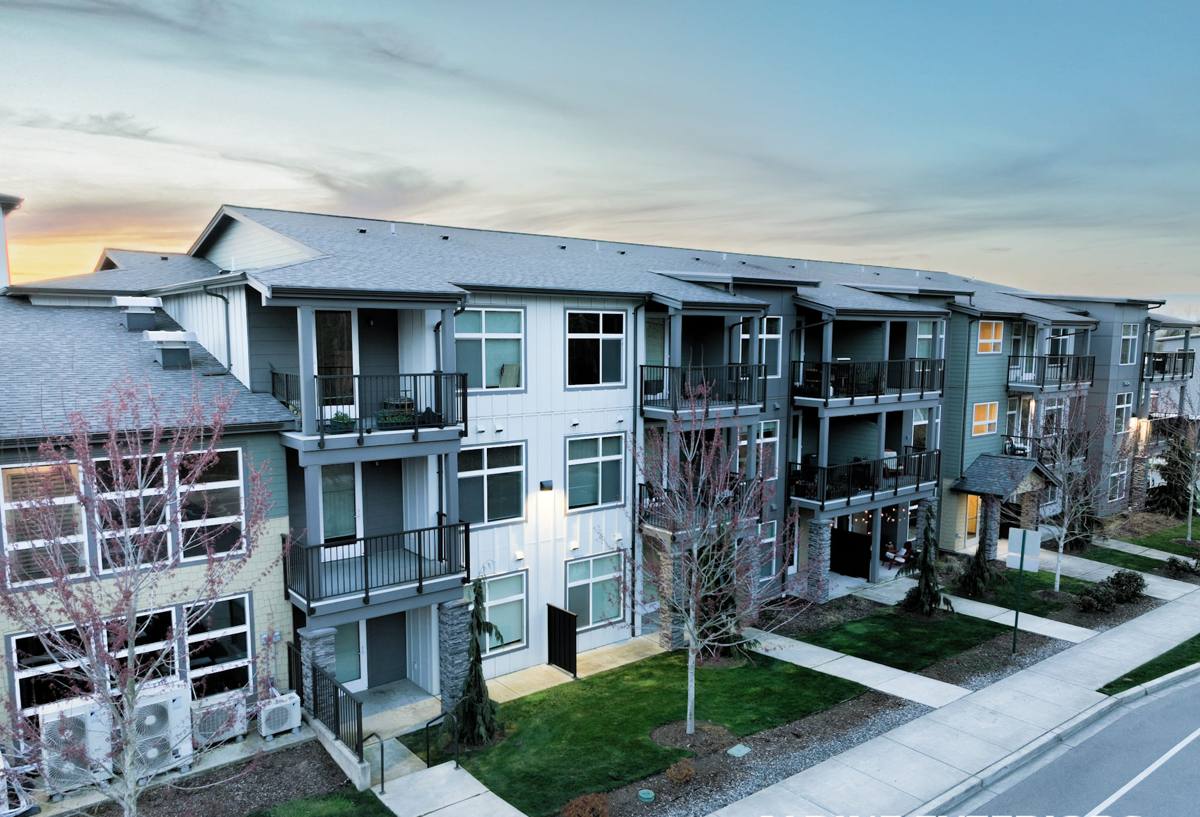
What Sarasota's Climate Actually Does to Siding Over Time
Wind and Wind-Driven Rain
Tropical storms and hurricane-force wind events don't just test whether siding stays attached — they test whether water gets pushed past it. Wind-driven rain travels horizontally and even upward under eaves, finding any gap in a butt joint, a poorly lapped course, or a fastener pattern that doesn't meet code. Siding that isn't fastened and flashed correctly can look fine from the curb while quietly feeding water into the wall assembly during every named storm.
Year-Round UV Exposure
Sarasota doesn't get a real winter break from the sun. Siding faces near-constant UV load twelve months a year, which is hard on paint films, wood fibers, and lower-grade composite products. Fading, chalking, and premature brittleness show up faster here than in siding installed in a more temperate climate.
Salt Air and Humidity
Even set back from the water, University Park gets salt-bearing air and heavy ambient humidity for much of the year. That combination accelerates corrosion on exposed fasteners and trim, and it keeps moisture in contact with siding surfaces longer after every rain — which matters most for any material that isn't dimensionally stable when wet.
Signs a University Park Home Needs Siding Replaced, Not Patched
Homeowners often call us about one visible problem and find out it's a symptom of something larger underneath. Before you decide between a repair and a full replacement, look for these warning signs:
- Visible cupping, warping, or buckling in individual panels or boards
- Soft or spongy spots when you press on the siding, especially near the bottom courses
- Paint that's peeling, bubbling, or chalking heavily despite regular maintenance
- Gaps opening up at butt joints, corners, or window and door trim
- Visible fastener corrosion — rust streaks bleeding down from nail or screw heads
- A musty smell along interior walls that back up to exterior siding
- Siding that flexes or rattles noticeably in strong wind
- Repeated repairs to the same section every year or two
One or two of these can sometimes be addressed with targeted repair. Several together, especially combined with age, usually mean the underlying moisture barrier and fastening system are compromised across the wall — and patching individual boards just delays a full replacement while the sheathing behind it keeps absorbing damage.
What a Correct Siding Replacement Actually Involves
Tear-Off and Inspection
Replacement starts with full removal of the old siding, not an overlay. That's the only way to actually see the sheathing, framing, and existing water-resistive barrier underneath. In this climate, we routinely find moisture damage that isn't visible from outside — soft sheathing near window corners, corroded fasteners, or a house wrap that's torn and no longer doing its job. Any of that gets addressed before a single new board goes up.
Water-Resistive Barrier and Flashing
This is the step that determines whether a house stays dry during the next tropical storm, and it's the step that's easiest to shortcut. Proper house wrap, correctly lapped and taped, combined with flashing at every window, door, and penetration, is what actually stops wind-driven rain from reaching the framing. The siding itself is the second line of defense — the barrier underneath is the first, and it has to be right.
Installation to Manufacturer Spec
Fastener type, spacing, and placement; minimum clearances at grade, roof lines, and other transitions; proper caulking at joints designed to be sealed and proper gaps at joints designed to move — every one of these details is spelled out by the manufacturer for a reason, and every one affects how the siding performs in high wind and heavy rain. We install to that specification, not to whatever's fastest.
Why We Install Only James Hardie Fiber Cement
We don't offer vinyl, LP SmartSide, Cemplank, Allura, or primed wood siding, and that's a deliberate standard, not an oversight. Each of those products has legitimate strengths, but each also comes with a real-world trade-off that we've found doesn't hold up to Sarasota's specific combination of wind, sun, and moisture as well as we want for the homes we work on:
- Vinyl can soften, warp, or blow off in sustained high wind, and it has no real fire resistance.
- Engineered wood products like LP SmartSide depend heavily on unbroken paint and caulk lines to keep moisture out of the wood-based core — a maintenance burden that's tougher to keep up with in a humid, storm-prone climate.
- Primed wood and cedar require the most ongoing upkeep of any option and are the most vulnerable to humidity and pest damage over time.
- Other fiber cement brands like Cemplank and Allura are reasonable products on paper, but we've standardized on one manufacturer so our crews master one installation system, one warranty structure, and one factory finish — rather than splitting expertise across several.
James Hardie fiber cement is non-combustible, dimensionally stable when wet, and manufactured in HZ5 formulations specifically engineered for high-humidity, storm-exposed climates like ours. Combined with a factory-applied ColorPlus finish, it holds color and resists the fading and chalking that year-round Florida UV causes in lesser paint systems. It's the product we're willing to stand behind on a University Park home, and it's backed by a strong transferable warranty when installed to spec.
Choosing the Right Hardie Product Line
University Park has a mix of home styles, from traditional lap-sided elevations to homes with board-and-batten or panel accents. The right Hardie product depends on the look you want and where on the house it's going:
| Product | Best For | Look |
|---|---|---|
| HardiePlank Lap Siding | Primary wall siding on most home styles | Traditional horizontal lap |
| HardiePanel Vertical Siding | Accent walls, gables, modern elevations | Clean vertical panels |
| Board & Batten | Farmhouse or coastal-transitional style homes | Vertical boards with raised battens |
| HardieTrim | Corners, window and door surrounds, fascia | Crisp, paintable trim profile |
Most University Park replacement projects use HardiePlank as the primary field material with HardieTrim at corners and openings, sometimes combined with a panel or board-and-batten accent to break up a larger elevation. We'll walk through which combination fits your home's architecture during the estimate.
Our Replacement Process, Start to Finish
- On-site assessment — we inspect current siding, trim, and visible problem areas, and talk through your goals and budget.
- Detailed proposal — a written scope specifying product line, colors, trim details, and a firm price, no vague allowances.
- Tear-off and sheathing inspection — full removal, with any rot or moisture damage identified and addressed before new material goes on.
- Water-resistive barrier and flashing — house wrap and flashing installed and inspected before any siding is hung.
- Siding installation — fastened, spaced, and finished to James Hardie's published installation specification.
- Final walkthrough — we go around the house with you before we consider the job finished.
What Siding Replacement Typically Costs — and What Drives the Price
Every University Park home is different, so an accurate number only comes from an on-site estimate. That said, a few factors consistently move the price up or down, and it's worth understanding them before you start comparing quotes:
| Factor | Why It Matters |
|---|---|
| Home size and wall complexity | More linear footage and more corners, gables, and cutouts mean more labor and material |
| Extent of hidden damage | Rotted sheathing or framing found during tear-off adds repair scope before new siding goes on |
| Product line and profile | Lap width, panel style, and board-and-batten accents carry different material costs |
| Trim and accent work | Custom trim details around windows, doors, and gables add labor time |
| Story height and access | Second-story and steep-roof sections require more equipment and time |
Be cautious of any bid that's dramatically lower than the others — it's often a sign of thinner material, skipped flashing details, or a crew that isn't factoring in the tear-off and prep work this climate actually requires.
Why Hiring a Crew That Already Works in University Park Matters
Siding installation isn't one-size-fits-all across Florida, let alone across the country. A crew that regularly works in University Park and the surrounding Sarasota area already understands the wind exposure this specific area sees, knows how to sequence a job around our rainy season, and has already worked through the permitting and inspection process with the local building department. That familiarity shows up in fewer surprises during the job and a finished product that's actually built for what this neighborhood experiences every year — not a generic install done the same way regardless of climate.
If your University Park home's siding is showing its age, or you just want an honest read on whether repair or replacement makes sense, we're happy to come take a look. Reach out for a free, no-pressure estimate using the form below.