 Sarasota Window
 Building a Deck That Belongs on the Gulf Coast
A deck in Venice has to do more work than a deck almost anywhere else in the country. It sits under some of the most intense year-round UV in the continental United States, takes on salt-laden air pulled in off the Gulf, gets soaked by wind-driven rain during summer storms, and has to survive the occasional direct hit from hurricane-force wind. A deck built to a generic national spec, or built by a crew that mostly works inland climates, tends to show its age in Venice within a few seasons: fasteners bleed rust, boards cup and crack, railings loosen, and finishes chalk out. A deck built for this specific coastal environment, with the right materials and the right details, is a different story.
This page is about what a Custom Decks project actually requires for a home in Venice and the surrounding Sarasota County area, what "correct" looks like at each stage, and how we approach the work.
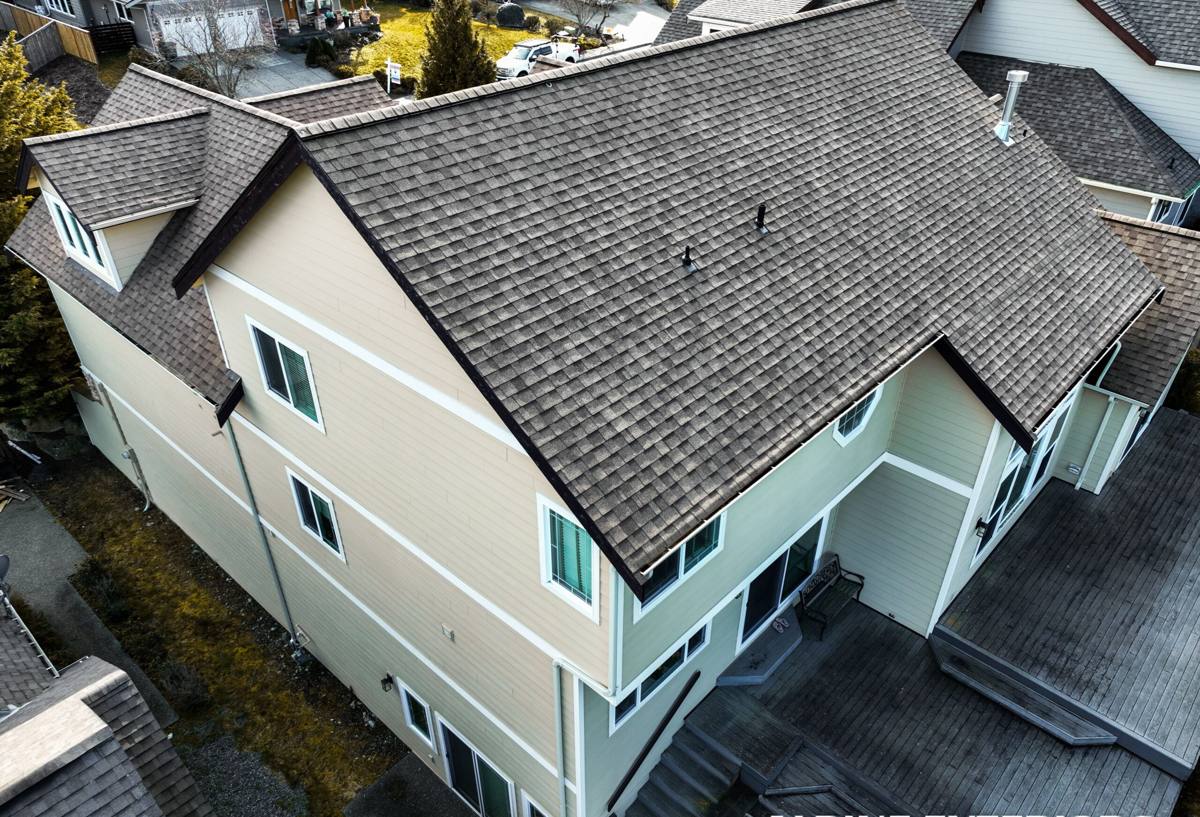
What Venice's Climate Actually Does to a Deck
It helps to be specific about the stresses involved, because they drive almost every material and construction decision that follows.
Sun and heat
Florida sun is not gentle on exterior wood or wood-alternative products. UV breaks down the lignin in natural wood fibers, which is why untreated or poorly finished wood decking grays, splinters, and gets soft over time. It also degrades cheaper composite decking formulations, causing fading and, in worse cases, surface chalking. Heat buildup on dark-colored decking can also make a deck uncomfortably hot underfoot in peak summer.
Salt air
Venice's proximity to the Gulf means airborne salt travels further inland than people expect, especially with onshore winds. Salt accelerates corrosion in any exposed metal — fasteners, brackets, railing hardware, post bases. A deck built with standard interior-grade or even generic exterior-grade hardware will corrode faster here than the same deck built forty miles inland.
Wind-driven rain and humidity
Sarasota County sees heavy, sideways rain during summer storm season. Water gets driven into joints, under ledger boards, and into end grain that isn't sealed. Combined with high ambient humidity, this creates ideal conditions for wood rot and mold if moisture isn't given a clear path to drain and dry.
Hurricane-force wind
Wind load isn't just about the storm itself — it's about how a structure is fastened to the house and how the framing resists uplift and lateral racking. Ledger attachment, post-to-beam connections, and railing anchoring all matter more here than in low-wind regions, and Florida Building Code reflects that with wind-load requirements that are stricter than most of the country.
Decking Material Options for Venice Homes
There's no single "best" decking material — the right choice depends on budget, maintenance appetite, and how the deck will be used. Here's how the common options actually perform in this climate.
| Material | UV/Salt Performance | Maintenance | Typical Lifespan Here |
|---|---|---|---|
| Pressure-treated pine | Fair — needs sealing to resist UV graying and moisture intrusion | Re-seal or re-stain every 1-2 years | 10-15 years with upkeep |
| Composite decking (capped) | Good — capped boards resist fading and salt exposure well | Periodic washing, no sealing/staining | 20-25+ years |
| Tropical hardwoods (e.g., ipe) | Very good natural density and rot resistance, but UV will gray it without oiling | Annual oiling if color retention matters | 25+ years structurally |
| PVC decking | Excellent — fully synthetic, immune to salt corrosion and rot | Very low — occasional cleaning | 25-30+ years |
For most Venice homeowners, capped composite or PVC decking makes the most sense as a low-maintenance, salt-tolerant surface. Pressure-treated wood remains a valid, lower-cost option for homeowners willing to keep up with sealing, and hardwoods appeal to owners who want a natural look and don't mind the annual maintenance. We'll walk through the honest trade-offs for your specific project rather than push one product line.
Hardware and Framing: Where Decks Actually Fail
Most deck failures in coastal Florida don't start with the decking boards — they start underneath, where nobody looks until something goes wrong. Getting this right is the difference between a deck that lasts decades and one that needs structural repair in under ten years.
- Fasteners and connectors: stainless steel or high-grade coated hardware rated for coastal/salt exposure, not standard galvanized hardware that corrodes faster near the Gulf.
- Ledger attachment: properly flashed and bolted to the home's structure, with flashing detailed to shed water away from the house rather than trap it against the ledger board.
- Post bases and footings: footings sized and set to local frost-free, wind-load requirements, with post bases that keep wood off standing water.
- Joist spacing and blocking: tighter joist spacing than the bare minimum reduces board deflection and cupping over time, especially under composite decking.
- Railing anchoring: railing posts attached with hardware and blocking that meets Florida's structural load requirements for guardrails, not just what looks sturdy.
Design Considerations Specific to Venice Properties
Orientation and shade
Given the intensity of Gulf Coast sun, deck orientation and planned shade — pergolas, covered sections, or strategic layout relative to the home — make a real difference in how usable the space is in July and August, not just how it looks.
Drainage under and around the deck
Sarasota County's heavy seasonal rain means grading and drainage beneath a deck need to move water away from the foundation, not pool underneath the structure where it accelerates rot and attracts pests.
Elevation and flood considerations
Depending on the property's location and elevation, local flood zone requirements may affect how a deck is framed and attached, particularly for decks connected to homes near canals, waterways, or lower-lying lots common throughout the Venice area.
Code compliance and permitting
Sarasota County requires permits for most deck construction, and inspections check exactly the structural details outlined above — ledger attachment, footing depth, railing height and load capacity, and fastener specification. A deck built without a permit can create real problems at resale, so this isn't a step worth skipping.
Our Process for a Custom Decks Project
- On-site assessment: we look at your home's structure, the ledger attachment point, drainage patterns, sun exposure, and how you intend to use the space.
- Material and design walkthrough: we go over decking material options, railing styles, and layout, with honest pros and cons for your budget and maintenance preferences.
- Permitting: we handle the Sarasota County permit application and coordinate required inspections so the structure is documented and code-compliant.
- Framing and structural work: footings, posts, beams, joists, and ledger attachment built to Florida's wind-load requirements with corrosion-resistant hardware throughout.
- Decking, railing, and finish work: installation of your chosen decking material and railing system, with attention to fastening patterns and spacing that account for thermal movement and drainage.
- Final walkthrough: we review the finished deck with you, cover any maintenance recommendations specific to your material choice, and confirm everything passed final inspection.
What to Check Before You Hire a Deck Contractor in Venice
Not every contractor who builds decks understands coastal construction. Before hiring anyone for a deck project in this area, it's worth confirming a few things.
- Are they licensed to do structural work in Florida, and can they show proof of insurance?
- Do they pull permits and schedule inspections themselves, or leave that to you?
- Can they explain, specifically, what hardware and fastener grade they use and why?
- Do they have experience with Sarasota County's permitting process and flood zone requirements where applicable?
- Will they give you a written scope that specifies footing depth, joist spacing, and decking/railing materials — not just a price?
A crew that already works regularly in Venice and the broader Sarasota area has already solved the coastal-specific problems — salt-tolerant hardware sourcing, county permitting quirks, drainage details — on other local projects. That experience shows up in fewer surprises during construction and a deck that holds up through storm seasons instead of needing early repairs.
Maintenance That Actually Extends a Deck's Life Here
Whatever material you choose, a small amount of regular maintenance goes a long way in this climate.
- Rinse salt residue and debris off the deck surface periodically, especially after storms with onshore wind.
- Inspect fasteners and railing connections annually for corrosion or loosening.
- Keep gutters and drainage paths near the deck clear so water doesn't pool against framing.
- Re-seal or re-stain wood decking on the schedule appropriate to the product — don't wait until it's visibly gray and dry.
- Check under-deck ventilation isn't blocked by stored items or landscaping, since airflow helps framing dry out after rain.
If you're considering a new deck or replacing an aging one in Venice, we're glad to walk the property with you, talk through material and design options honestly, and put together a clear, no-pressure estimate — just fill out the form below to get started.