 Sarasota Window
 Windows Built for Southside Village's Older Housing Stock
Southside Village sits close enough to Sarasota Bay that its homes take the full brunt of what the Gulf Coast throws at a building envelope: hurricane-force wind loads, punishing year-round UV, wind-driven rain that finds every gap, and a steady dose of salt air that works on metal and finishes long before it's visible to the eye. Much of the neighborhood's housing stock predates the current Florida Building Code wind and impact requirements, which means a lot of the original single-pane or early-generation double-pane windows in these homes were never engineered for the loads Sarasota County now requires. Replacing them isn't just a cosmetic upgrade — it's bringing the house up to a standard the original windows were never built to meet.
We work in Southside Village regularly, and the pattern repeats house after house: frames that have swollen and stuck shut, glazing putty that's cracked and let moisture behind the glass, aluminum frames pitted from salt exposure, and sashes that no longer seal because the weatherstripping gave out years ago. None of that is a surprise in this climate. It's just what happens to windows that have already done their job for a couple of decades near the water.
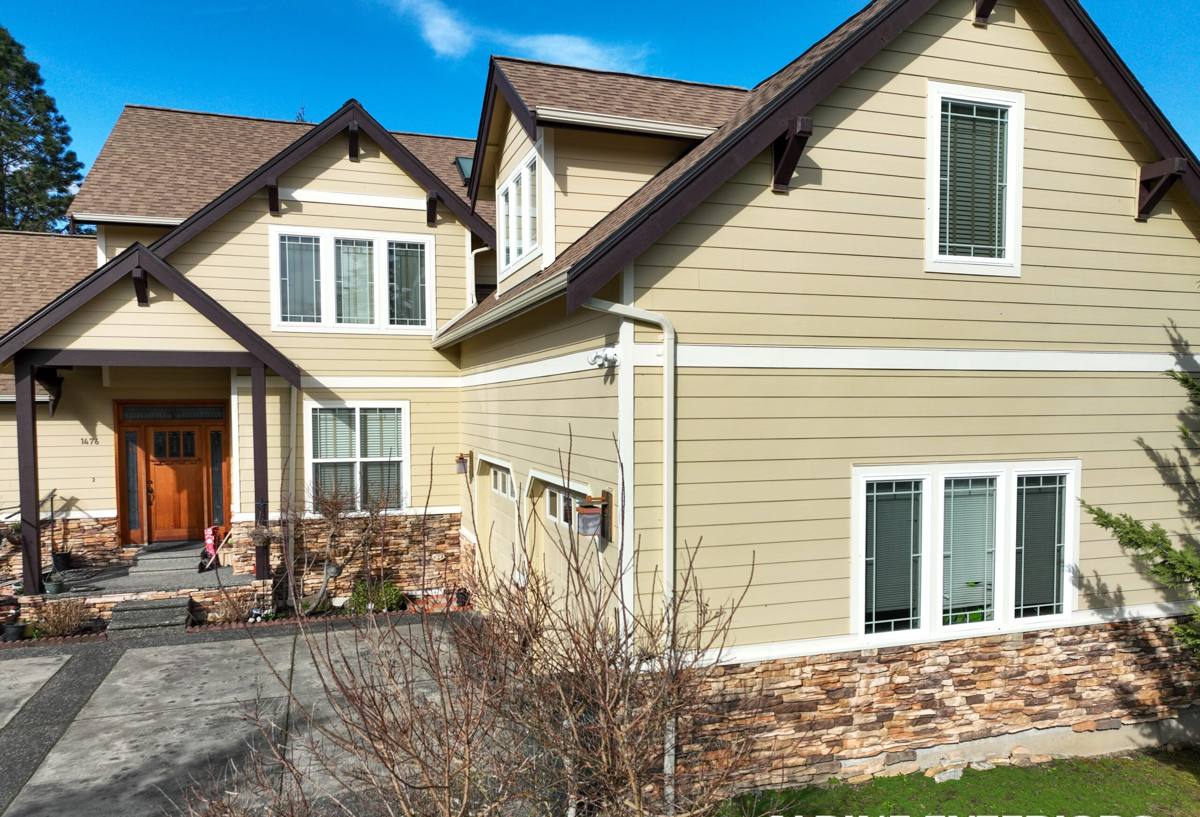
What This Climate Actually Demands From a Window
Wind and Impact Resistance
Sarasota County enforces the High-Velocity Hurricane Zone provisions of the Florida Building Code in areas exposed to elevated wind pressures, and Southside Village's proximity to the bay puts it squarely in that conversation. A correctly specified replacement window carries a design pressure rating matched to the home's exposure and height, and either meets impact-resistant glazing standards or is paired with code-compliant protection. This isn't a box to check for permitting — it's the difference between a window that stays intact in a storm and one that becomes a hole in the building envelope.
UV and Heat
Florida sun is relentless on window components year-round, not just in summer. UV breaks down cheap vinyl formulations, fades interior finishes and furnishings, and accelerates the failure of low-quality seals. Low-E coatings and the right glass package cut down on heat gain and UV transmission, which matters both for comfort and for keeping cooling costs in check in a house that's running air conditioning most of the year.
Wind-Driven Rain
A lot of window failures we see aren't from the glass — they're from water finding its way in around the frame during a sideways rain event. Sarasota's storms don't fall straight down, and a window that isn't flashed and sealed correctly will let water track behind the frame and into the wall cavity, where it causes damage long before anyone sees a stain on the drywall.
Salt Air Corrosion
Being close to the bay means airborne salt settles on everything, including window hardware, screen frames, and metal fasteners. Materials and finishes that aren't rated for coastal exposure corrode faster here than they would a few miles inland, which is part of why we specify hardware and components with coastal durability in mind rather than defaulting to whatever is cheapest.
What a Correct Window Replacement Involves
Swapping a window is more than pulling out the old unit and dropping in a new one. On the homes we see in this neighborhood, the sequence that actually protects the house looks like this:
- Remove the existing window carefully, checking the rough opening for rot, termite damage, or settling that needs correcting before a new unit goes in.
- Inspect and repair the framing and sheathing behind the old window — this is where older Southside Village homes most often reveal moisture damage that's been hidden for years.
- Install new flashing and a water-resistive barrier detail around the opening, lapped correctly so water sheds outward rather than into the wall.
- Set the new window plumb, level, and square, and fasten it according to the manufacturer's tested installation instructions — this is what the design pressure rating actually depends on.
- Seal and insulate the perimeter with the correct sealant and backer rod, not just a bead of caulk over gaps.
- Install interior and exterior trim, then test operation and confirm weathertight performance before calling the job done.
Skip any one of those steps and you can end up with a window that looks fine and still leaks, still whistles in the wind, or still fails a wind event it was rated to withstand.
Matching Windows to Southside Village's Architecture
This neighborhood has a mix of older Florida bungalows, mid-century homes, and newer infill construction, often within sight of each other. That mix matters for window selection:
- Older bungalows often have narrower, taller window openings and original wood or aluminum frame profiles — matching sightlines matters for keeping the home's character intact.
- Homes with any historic or neighborhood character considerations may call for frame profiles and grille patterns that read as traditional rather than a modern flush look.
- Newer construction in the area can generally accommodate larger glass units and more contemporary frame styles without a mismatch.
- Homes closer to the water line typically warrant a higher design pressure and impact rating regardless of architectural style, simply based on exposure.
We look at the actual house — its age, orientation, and exposure — rather than installing the same window package on every job regardless of what the home needs.
Frame Material: What We Recommend and Why
| Frame Material | Coastal Performance | Maintenance | Our Take |
|---|---|---|---|
| Vinyl (impact-rated) | Good — won't corrode, handles salt air well | Low — no repainting needed | Solid default for most Southside Village homes; cost-effective and durable |
| Aluminum | Fair — can pit and corrode near the bay without proper coatings | Moderate — finish needs monitoring over time | Workable when matching an existing aluminum-frame aesthetic, but requires a coastal-grade finish |
| Wood (unclad) | Poor in direct salt exposure — prone to rot and finish failure | High — regular refinishing required | We generally steer clients away from unclad wood this close to the bay; the upkeep burden is real and the moisture risk is higher |
| Fiberglass | Very good — stable and corrosion-resistant | Low | A strong option where budget allows; performs well across heat cycling and salt exposure |
None of these are objectively "bad" products — the trade-offs are about maintenance burden and how forgiving a material is of coastal exposure. We'll walk through what fits your home and your tolerance for upkeep rather than pushing one option across the board.
Glass Packages and Impact Options
For Southside Village, the two paths to code-compliant wind protection are laminated impact glass or standard glass paired with code-approved shutters or panels. Impact glass has become the more common choice for full-time protection because it doesn't require action before a storm — the protection is built into the window itself. It also cuts down on outside noise and adds a layer of security, which matters on a home near a walkable, active neighborhood. The trade-off is a higher upfront cost and typically a heavier sash, which is why proper hardware and installation matter even more with impact units.
How Our Process Works
1. On-Site Assessment
We walk the exterior and interior of the home, check existing window condition, note any signs of past water intrusion, and measure exposure and orientation to determine the right design pressure rating for your specific house.
2. Straightforward Proposal
You get a clear breakdown of window specifications, glass package, frame material, and installation scope — no vague line items, no upsell pressure toward whatever carries the highest margin.
3. Permitting
Window replacement in Sarasota County typically requires a permit, especially where wind or impact ratings are involved. We handle the permit application and inspection scheduling so it's not on your plate.
4. Installation
Our crews follow the manufacturer's tested installation method for every unit — that's what makes the wind rating and warranty valid in the first place. We protect your interior and landscaping during the work and clean up thoroughly at the end of each day.
5. Final Walkthrough and Inspection
We test every window's operation, confirm seals are tight, and coordinate the final county inspection so the job is documented and closed out correctly.
Why a Crew That Already Works This Neighborhood Matters
A contractor who's done window replacements throughout Southside Village already knows the county's permitting expectations, has a feel for what's commonly hiding behind older frames in this area, and understands why a house four blocks from the bay needs a different spec than one further inland. That familiarity shortens the assessment, avoids surprises mid-project, and means the crew showing up at your door has already solved the problems your house is likely to present. It's a smaller neighborhood, and word travels — we'd rather earn the next referral than cut a corner on this one.
Signs Your Windows Need Replacing, Not Repairing
- Visible fogging or moisture between panes of double-pane glass — the seal has failed and can't be restored.
- Frames that are soft, cracked, or show corrosion pitting on aluminum.
- Drafts or a whistling sound during windy conditions, indicating a compromised seal.
- Windows that are difficult to open, close, or lock properly.
- Visible daylight around the frame when the window is closed.
- Rising cooling bills without another clear explanation.
- Windows that predate the home's most recent wind-rating code cycle, especially in a coastal-exposed neighborhood like this one.
If your Southside Village home is due for a window upgrade, or you just want an honest read on whether repair or replacement makes sense, we're happy to walk the property and give you a clear, no-pressure estimate. Use the form below to get started.