 Sarasota Window
 Asphalt Shingle Roofing on a Barrier Island
Longboat Key is a different kind of roofing job than a house ten miles inland. It's a narrow barrier island with water on both sides, which means every roof here takes a heavier, more constant beating from wind, sun, and salt than most manufacturers' warranty language ever accounts for. Asphalt shingles are still one of the most practical and cost-effective roofing choices for homes and condos on the Key, but only when the material, the installation, and the details around it are matched to island conditions instead of a generic spec sheet.
This page covers what that actually means: what a Longboat Key roof needs to hold up, what a correct shingle installation involves, how our process works from inspection to final walkthrough, and why it matters to hire a crew that already works this specific stretch of coastline.
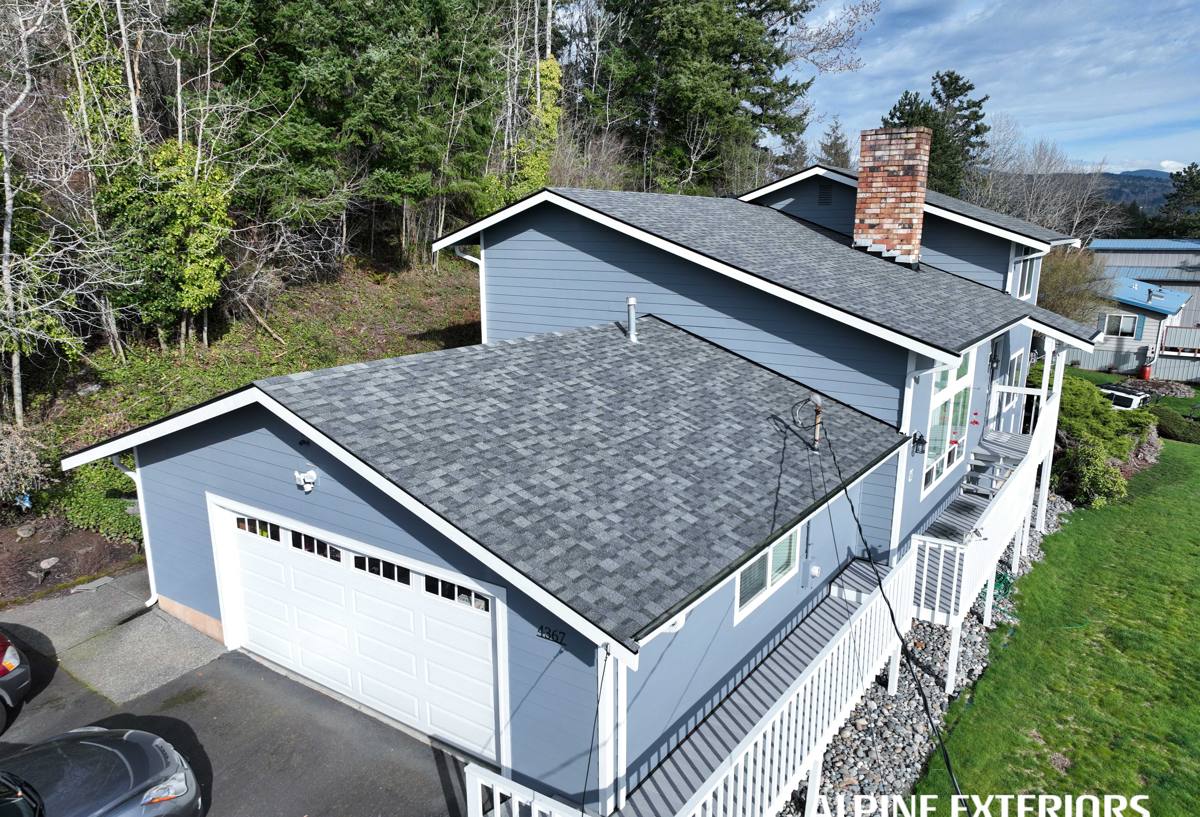
What Longboat Key's Climate Does to a Shingle Roof
Every asphalt shingle roof in this part of Florida is fighting the same four things at once, and on a barrier island they all hit harder.
Hurricane-Force Wind
Longboat Key sits exposed to whatever comes off the Gulf, with none of the tree cover or inland buffering that softens wind loads a few miles east. Shingles here need to meet or exceed the wind ratings called for by current Florida Building Code for this coastal zone, and just as importantly, they need to be fastened and sealed the way the manufacturer actually specifies — not the fastest way to get off the roof.
Year-Round UV Exposure
Florida sun doesn't take a season off, and shingles here spend more hours under direct, intense UV than in most of the country. That UV load breaks down asphalt oils and granule adhesion over time, which is why shingle quality and proper attic ventilation both matter more here than the national average lifespan numbers suggest.
Wind-Driven Rain
It's not the rain that causes most leaks on the Key — it's rain being pushed sideways and upward under laps, flashing, and fasteners during a storm. A roof that would shed water fine in a calm downpour can still leak in a wind event if the underlayment, flashing, and shingle overlap weren't built for driven rain specifically.
Salt Air
Being surrounded by saltwater means airborne salt settles on every exposed surface, including the roof deck's metal flashing, fasteners, vents, and drip edge. Salt accelerates corrosion on anything that isn't rated for a marine or near-marine environment, which is a detail a lot of standard roofing packages simply don't address.
What a Correct Shingle Roofing Job Involves
A shingle roof is a system, not a single product. Getting one detail right and skipping another still leaves you exposed. On Longboat Key, we treat every one of these as non-negotiable:
- Wind-rated shingles matched to the exposure category of the specific property, not just the cheapest option that technically meets code
- Enhanced nailing patterns — often six nails per shingle instead of four, placed exactly where the manufacturer specifies, since misplaced nails are one of the leading causes of wind-related shingle loss
- Self-adhering underlayment at eaves, valleys, and penetrations to seal around nail holes and resist wind-driven rain intrusion
- Corrosion-resistant flashing around chimneys, walls, skylights, and roof-to-wall transitions — standard-grade metal degrades faster in salt air
- Proper starter strips and drip edge at eaves and rakes, which are common weak points in wind uplift
- Balanced attic ventilation so heat and moisture don't build up under the deck and shorten shingle life from underneath
- Sealed and inspected roof-deck fasteners — if the deck itself isn't sound and properly secured, nothing above it performs the way it's rated to
Skip any one of these and the roof may look fine for a while, but it won't perform the way it's supposed to when a real wind event tests it.
Our Process, Start to Finish
1. Inspection and Honest Assessment
We start on the roof and in the attic, not just with a drive-by look. We check shingle condition, flashing, ventilation, and — critically on an island property — the state of the deck underneath. We'll tell you plainly whether you're looking at a repair, a partial re-roof, or a full replacement, and why.
2. Tear-Off and Deck Inspection
For a full replacement, we remove the old roofing down to the deck. This is the point where hidden problems — rot, old leaks, soft spots — actually get found and fixed, rather than covered over with a new layer on top of old damage.
3. Underlayment and Flashing
We install underlayment rated for wind-driven rain and coastal exposure, then handle all flashing detail work around penetrations, walls, and valleys before a single shingle goes down.
4. Shingle Installation
Shingles go on with the nailing pattern, fastener count, and sealing method specified for high-wind coastal installations — not the minimum needed to pass a quick inspection.
5. Ventilation Check
We confirm intake and exhaust ventilation are balanced so the attic isn't trapping heat and moisture against the new roof from day one.
6. Cleanup and Final Walkthrough
We clear the property of debris and nails, then walk the finished roof with you so you know exactly what was done and what to expect from it going forward.
Signs a Longboat Key Roof Needs Attention
Because of the exposure out here, shingle roofs on the Key often show wear sooner than the same product would inland. Worth checking for:
- Granules collecting in gutters or at downspout discharge points
- Curling, cupping, or cracked shingles, especially on south- and west-facing slopes
- Shingles that look lifted or loose after any windy stretch, not just a named storm
- Rust staining or streaking near flashing, vents, or fasteners
- Soft spots, sagging, or visible staining on the underside of the roof deck from inside the attic
- Missing or exposed nail heads along ridges and edges
- A noticeably hotter attic or higher cooling bills, which can point to failing ventilation
Comparing Shingle Options for This Environment
Not every asphalt shingle product is built with the same coastal wind and UV exposure in mind. Here's how the common categories generally compare for a barrier island property:
| Shingle Type | Wind Performance | Typical Coastal Lifespan | Best Fit |
|---|---|---|---|
| Standard 3-tab | Lower wind rating, fewer nailing points | Shorter, especially with direct Gulf exposure | Budget-limited projects, less exposed sites |
| Architectural (laminated) | Higher wind rating with proper fastening | Noticeably longer than 3-tab in this climate | Most Longboat Key homes |
| High-wind / impact-rated architectural | Highest available rating for shingle products | Longest of the shingle options, with added impact resistance | Directly exposed lots, insurance credit consideration |
Beyond the shingle itself, the installation details above — nailing pattern, underlayment, flashing, ventilation — usually affect real-world performance as much as which product line you choose.
Cost Factors Worth Understanding
Every roof is priced on its own specifics, but the main variables that move the number on a Longboat Key job are generally the same:
- Roof size, pitch, and number of planes, valleys, and penetrations
- Condition of the existing deck and whether repair or replacement is needed underneath
- Shingle tier selected — standard versus high-wind or impact-rated architectural
- Flashing scope, particularly around chimneys, walls, and multiple roof-to-wall transitions common on older Key homes
- Access — waterfront and narrow-lot properties on the island can add logistics time compared with a typical mainland lot
- Permitting and any condo association or architectural review requirements specific to the property
We'll walk through which of these apply to your roof specifically during the estimate, so the number you get reflects your property rather than a generic average.
Why a Crew That Already Works Longboat Key Matters
Roofing on a barrier island isn't quite the same job as roofing five miles inland, and it shows in ways that aren't always obvious until something goes wrong.
Permitting and Local Requirements
Longboat Key has its own permitting process, and many properties — particularly condos and homes in association-governed communities — have architectural review requirements on top of that. A crew that already works here knows the process and doesn't burn your project timeline learning it for the first time.
Wind Mitigation and Insurance
Coastal wind insurance underwriting pays close attention to roofing age, material, and installation method. A properly documented, correctly installed roof can matter at renewal time, and a crew familiar with local wind mitigation inspection expectations can make sure the work is documented the way it needs to be.
Logistics on a Narrow Island
Material staging, dumpster placement, and site access are genuinely different on a barrier island than on a typical suburban lot. Crews unfamiliar with the Key sometimes lose a half-day figuring out logistics that a local team already has a plan for.
Familiarity With How the Island Weathers a Roof
There's a difference between installing a roof to code minimums and installing one that a crew has actually watched perform through real Gulf Coast wind seasons. Local experience means we're not guessing about which details matter most out here — we've seen what holds up and what doesn't.
Maintenance That Extends Roof Life on the Key
Even a well-installed shingle roof benefits from basic upkeep in this environment:
- Rinse accumulated salt residue off the roof surface periodically, especially after long dry, windy stretches
- Keep gutters and downspouts clear so water doesn't back up under shingle edges
- Trim back any vegetation that shades or drops debris on the roof
- Have the roof inspected after any significant wind event, even without visible damage from the ground
- Address small flashing or fastener issues promptly, before wind-driven rain finds the gap
None of this replaces a proper inspection, but it meaningfully extends the life of a correctly installed roof between them.
Get a Straight Answer About Your Roof
If you're dealing with an aging shingle roof on Longboat Key, or you just want an honest read on where yours stands after this year's storm season, we're glad to take a look. There's no pressure and no sales script — just a clear assessment of what your roof needs and what it would take to do it right. Use the form below to request a free estimate.