 Sarasota Window
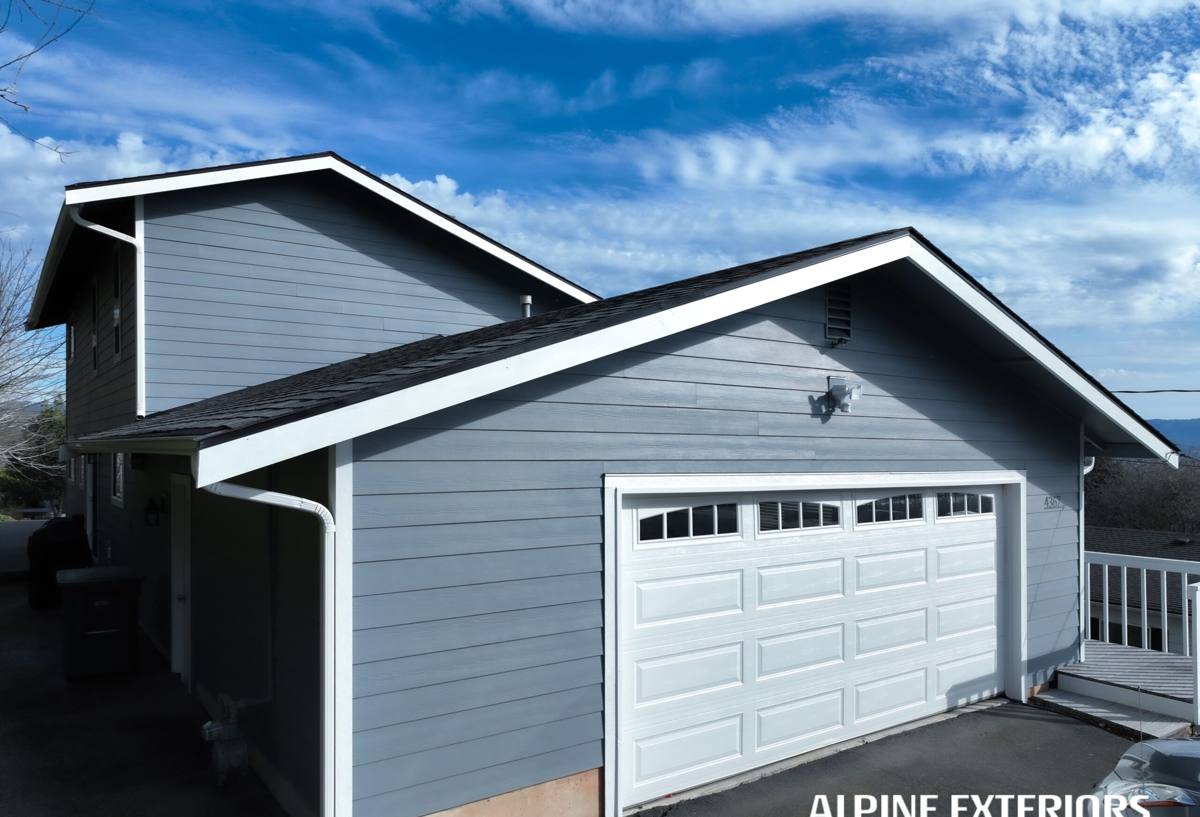
 Asphalt Shingle Roofing Built for Osprey's Climate
Osprey sits on the west coast of Sarasota County, tucked between the bay and the barrier islands, which means every roof here deals with the same combination of stressors: hurricane-force wind gusts during storm season, intense sun exposure nearly year-round, wind-driven rain that finds any weak point in a roof system, and a steady dose of salt air moving in off the water. Asphalt shingles remain one of the most practical roofing choices for this environment when they're specified and installed correctly, but "correctly" is doing a lot of work in that sentence. A shingle roof that would hold up fine in a drier, calmer climate can fail early here if the underlayment, fastening pattern, and edge details aren't matched to Sarasota County's wind and moisture realities.
This page covers what a proper asphalt shingle roof looks like for a home in Osprey specifically — not a generic overview of shingle roofing, but what changes when the roof has to survive our particular mix of coastal weather.
What Osprey's Climate Actually Does to a Roof
Wind
Sarasota County sits within hurricane wind zones that require roofing materials and installation methods rated for high uplift resistance. It's not just the named storms — sustained coastal breezes and seasonal squalls put repeated stress on shingle tabs and edges year-round. Roofs that use minimum-nail-count installation or standard adhesive strips instead of storm-rated products tend to show lifted or missing shingles well before a full replacement is otherwise due.
UV Exposure
Florida's sun is harder on roofing materials than most homeowners realize. UV breaks down the asphalt oils in shingles over time, making them brittle. A shingle that's gone brittle loses its ability to flex in wind and heat cycling, which is when granule loss and cracking accelerate. Lighter or reflective shingle colors can reduce attic heat gain and slow this aging process somewhat, which is worth discussing for a home that gets full sun exposure most of the day.
Wind-Driven Rain
Storms here rarely arrive as straight-down rain. Wind pushes water sideways and upward under shingle edges, around vents, and along ridge lines. This is why underlayment and flashing detail matter as much as the shingles themselves — a roof can have premium shingles and still leak if the water management underneath them wasn't built for wind-driven conditions.
Salt Air
Being near the coast means airborne salt settles on roofing, flashing, and any exposed metal fasteners. Over time this accelerates corrosion on lower-grade metal components — nails, drip edge, vent flashing — which can cause leaks and staining long before the shingles themselves wear out. Corrosion-resistant metal components are a small cost difference that pays off in coastal zip codes like Osprey.
What a Correct Asphalt Shingle Installation Includes Here
A shingle roof is a system, not just a layer of shingles nailed to plywood. For Osprey homes, the parts that matter most are:
- Deck inspection and repair — soft, rotted, or delaminated decking gets replaced before anything goes down, since nails driven into compromised wood won't hold in high wind
- Self-adhering underlayment at eaves, valleys, and penetrations — this is the secondary water barrier that protects the home when wind-driven rain gets under the shingles
- Synthetic felt underlayment across the field — more tear- and moisture-resistant than old-style tar paper, and it holds up better during the installation window if weather rolls in mid-project
- Correct nailing pattern and nail count — Florida Building Code sets minimum fastener requirements for high-wind zones, and using more nails per shingle than the bare minimum is a small step that meaningfully improves wind resistance
- Starter strip shingles at eaves and rakes — these are built for the sealant strip to bond properly at the edges, which is where wind uplift starts first
- Corrosion-resistant flashing and fasteners — especially important this close to the coast, where standard galvanized components corrode faster than they would inland
- Proper ridge and hip ventilation — good attic airflow reduces heat buildup that ages shingles from underneath and helps control moisture
Shingle Options and How They Compare for This Area
Not every shingle product is built the same, and the differences matter more in a coastal, high-wind county than they would elsewhere. Here's a general comparison of the common categories homeowners in Osprey ask about:
| Shingle Type | Wind Rating Range | Typical Lifespan Here | Best Fit |
|---|---|---|---|
| 3-tab (standard) | Lower end of code-compliant range | Shorter, due to UV and wind exposure | Budget-driven projects, secondary structures |
| Architectural / dimensional | Higher wind ratings available | Longer than 3-tab under the same conditions | Most primary residences in this climate |
| Impact-resistant (Class 4) | Highest, often paired with enhanced wind warranties | Comparable to standard architectural, with added impact durability | Homes prioritizing storm resilience, potential insurance credit |
We'll walk through actual product lines and warranty terms during an estimate rather than push a single brand — the right choice depends on the roof's exposure, the home's budget, and whether insurance premium credits for wind mitigation or impact resistance are a priority.
Why We Don't Cut Corners on Underlayment or Flashing
It's common in this trade to see roofs quoted cheap by minimizing what's underneath the shingles — thinner felt, reused flashing, minimum nail counts. Those shortcuts don't show up as a problem on installation day. They show up two or three years later as a leak around a vent pipe or lifted shingles after a summer storm. Our standard is to treat the underlayment and flashing as equally important to the shingles themselves, because in a wind-driven-rain climate like ours, that's where roofs actually fail. This isn't about any particular manufacturer being inadequate — it's about matching the installation approach to what Sarasota County weather demands.
Our Process for Osprey Roofing Projects
- On-site inspection — we assess the current roof's condition, deck integrity, ventilation, and any storm damage before quoting anything
- Written estimate — clear scope of work, materials specified, and a realistic timeline, with no pressure to decide on the spot
- Permitting — reroofing in Sarasota County requires a permit and inspection; we handle that process as part of the job
- Deck prep and repair — any compromised decking is replaced before underlayment goes down
- Underlayment and flashing installation — built for wind-driven rain, not just standard rainfall
- Shingle installation — following manufacturer specs and Florida's high-wind fastening requirements
- Final walkthrough and cleanup — including magnetic sweep for stray nails and a review of ventilation and warranty paperwork
Why a Crew That Works Osprey Regularly Matters
Roofing crews that work across a wide, generic territory don't always stay current on Sarasota County's specific permit process, wind zone requirements, or the particular failure points that show up on homes this close to the coast. A crew that's regularly working in and around Osprey knows what inspectors here look for, understands how salt air and coastal wind exposure differ even within the same county, and can spot the early warning signs of storm or UV damage on a roof that's still functional but aging fast. That local familiarity translates into fewer surprises during the project and a roof that's actually built for the conditions it has to survive, not just built to a generic spec sheet.
Signs Your Osprey Roof May Need Attention
- Granules collecting in gutters or at downspout outlets
- Shingles that look curled, cupped, or cracked, especially on south- and west-facing slopes
- Missing or lifted shingles after a storm, even a minor one
- Visible rust streaking near flashing, vents, or valleys
- Daylight visible through the attic decking, or musty odor in the attic
- Interior ceiling stains, particularly after wind-driven rain events
- A roof approaching or past 15-20 years old with no recent inspection
None of these automatically mean a full replacement is needed — some are repair-level issues. But in this climate, small problems tend to compound quickly once wind and water find a way in, so an early look is worth it.
Get a Straight Answer on Your Roof
If you're not sure whether your Osprey home needs a repair, a partial reroof, or a full replacement, we're glad to take a look and give you an honest read on where things stand. We offer free, no-pressure estimates for asphalt shingle roofing throughout the Sarasota area, with a process built around what actually holds up to Gulf Coast wind, sun, and salt air. Fill out the form below to schedule a visit.