 Sarasota Window
 Why Siding Choice Matters More in Ellenton
Ellenton sits in the humid, storm-exposed stretch of Florida's Gulf Coast, close enough to Sarasota to share the same weather problems: long stretches of intense UV, sudden tropical downpours driven sideways by wind, and salt-laden air working its way inland from Tampa Bay and the Gulf. None of that is unique to one street or subdivision — it is the baseline every exterior surface in this region has to survive, year after year, without a break. Siding here does not get an off-season. It is asked to perform in July heat and January cold snaps, through the dry months and through hurricane season, and it needs fasteners, seams, and finishes that do not quietly fail somewhere between one inspection and the next.
That is the frame we use when we talk to Ellenton homeowners about siding: not "what looks good," but "what keeps looking good and keeps performing after five, ten, twenty years of this climate." That question is why we install James Hardie fiber cement exclusively, and it shapes how we approach every job in this part of the county.
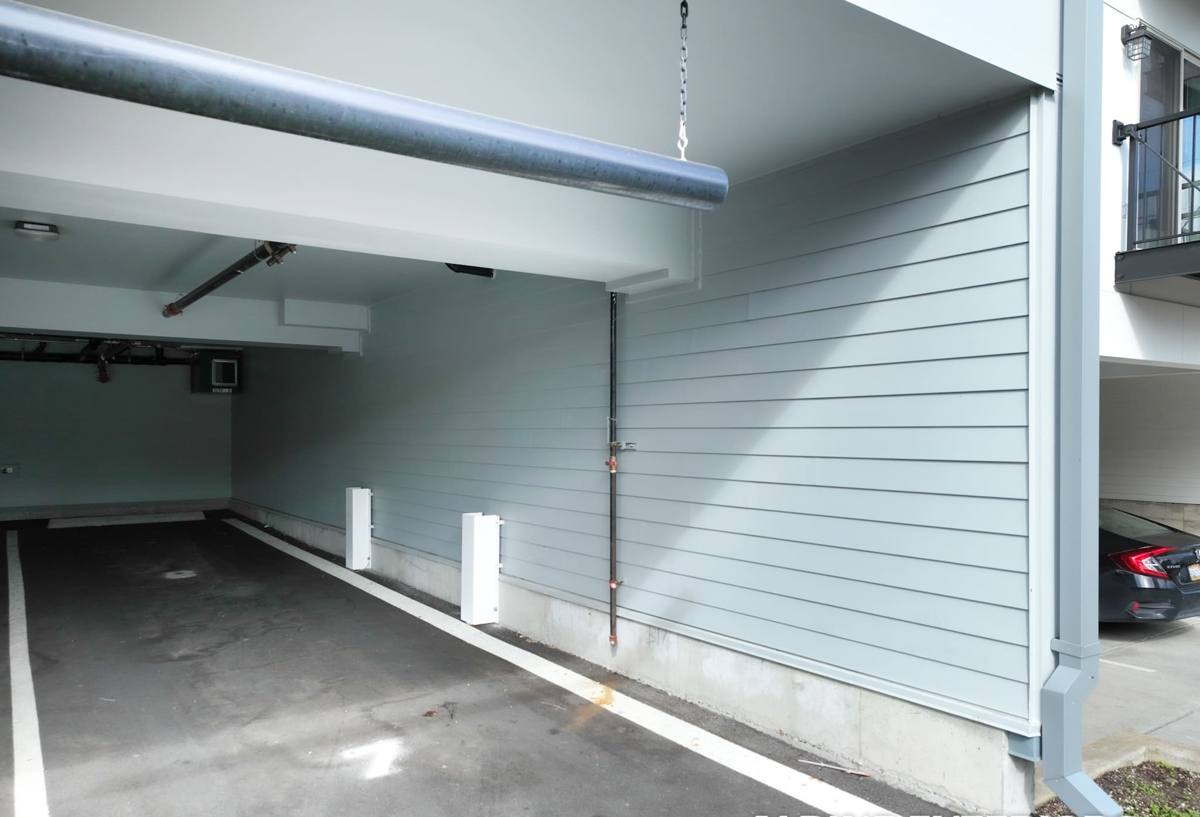
What Ellenton's Climate Actually Does to Siding
Wind and Wind-Driven Rain
This part of Florida sits within hurricane wind zones that require siding systems rated for high-velocity exposure, and even outside of named storms, routine thunderstorms push rain horizontally against exterior walls. Siding that is not fastened, lapped, and flashed correctly will let water behind it long before a hurricane ever makes landfall — the everyday storms do the damage gradually.
Year-Round UV
Florida sun is more intense and more consistent than in most of the country. Paint-grade siding products and field-applied finishes chalk, fade, and break down faster here than manufacturer literature written for northern climates tends to suggest. A finish that is factory-baked to resist UV holds its color and its protective integrity far longer than one applied on-site and left to weather.
Salt Air
Ellenton is close enough to the coast that airborne salt is a real factor, not a theoretical one. Salt accelerates corrosion in exposed metal fasteners and trim, and it degrades certain coatings faster than inland exposure would. Materials and hardware need to be selected with that in mind, not just for a coastal home directly on the water.
Humidity and Moisture Cycling
Between rain, irrigation overspray, and Florida's baseline humidity, siding here is almost never fully dry. Products that absorb moisture and swell, or that trap water behind them without a way to dry out, are working against the local climate instead of with it.
Why We Install James Hardie — and Only James Hardie
James Hardie fiber cement is engineered specifically for climates like this one. It is non-combustible, which matters in a state where wildfire and structure-fire risk both get real attention from insurers. It does not absorb water the way wood-based or wood-adjacent siding products can, so it is not prone to the swelling, rot, and pest issues that come with sustained humidity exposure. And Hardie's ColorPlus finish is factory-applied and baked on under controlled conditions, which gives it better UV and fade resistance than a coating applied on a job site and cured in open air.
We do not install LP SmartSide, vinyl, Cemplank, Allura, primed spruce, or cedar. Each of those products has legitimate uses somewhere, but none of them hold up to the specific combination of UV intensity, wind-driven rain, and salt exposure that Ellenton homes face as well as Hardie does over a full ownership cycle. We would rather turn down a job than install a product we do not believe will perform here.
The HZ5 Engineering Detail
James Hardie manufactures its siding in different formulations tuned to different climate zones, and homes in this part of Florida fall into the HZ5 category — engineered for high humidity, heavy rain exposure, and hot, sun-intensive conditions. That is not a marketing distinction; it affects the product's moisture and durability performance in exactly the conditions Ellenton sees most.
What a Correct Installation Involves
Fiber cement siding is only as good as the installation behind it. A rushed or generic install can undercut even the best material, and in a wind- and rain-exposed area like this one, the details matter more than they would in a milder climate.
- Proper clearance and flashing — siding held off the ground, roofline, and other transitions with correct gaps, and flashed at every window, door, and penetration so water sheds outward instead of collecting behind the boards.
- Correct fastening pattern — nails or screws placed per Hardie's published spec, at the right depth and spacing, using corrosion-resistant fasteners appropriate for a salt-air environment.
- Proper lap and joint treatment — butt joints sealed or flashed per manufacturer guidance rather than caulked and hoped for, since caulk alone is not a long-term water barrier in this climate.
- Weather-resistant barrier underneath — a correctly lapped house wrap or building paper installed before the siding goes on, giving the wall a second line of defense if any water does get past the cladding.
- Field-cut edges sealed — any factory edge that gets cut on site needs to be treated so the cut edge does not become the weak point in the whole system.
- Manufacturer-spec starter strips and trim — using the actual Hardie trim and starter components rather than substitutes, so the whole assembly performs as one engineered system instead of a patchwork of parts.
Skipping any one of these does not usually cause an immediate, visible problem. It shows up two, five, or eight years later as a soft spot, a stain, or a section that has to be torn out and redone — usually at a much higher cost than doing it correctly the first time.
Our Process, Start to Finish
- On-site assessment. We look at your home's current siding condition, trim details, window and door flashing, and any problem areas — soft wood, existing moisture intrusion, or prior repair patches — before we talk product or price.
- Plan and product selection. We walk through Hardie's plank profiles, panel options, and ColorPlus color choices for your home, and explain the trim and accessory package that fits it.
- Written estimate. A clear, itemized quote — material, labor, tear-off if needed, and any structural repairs identified during the assessment — with no surprise add-ons once work starts.
- Prep and tear-off. Removal of old siding, inspection and repair of the sheathing underneath, and correction of any rot or moisture damage found before new material goes up.
- Weather barrier and flashing. Proper house wrap, window and door flashing, and penetration sealing installed before a single piece of siding goes on.
- Hardie installation to spec. Fastening, lapping, and joint treatment done per James Hardie's published installation guidelines, not shortcuts.
- Final walkthrough. We go over the finished work with you directly, and make sure trim, caulking lines, and paint touch-ups meet a standard we would accept on our own homes.
Why a Crew That Already Works Ellenton Matters
Siding installation is not identical everywhere in the state. A crew that regularly works the Sarasota-Manatee area already knows the practical realities that affect a job here: the wind-load expectations local building departments enforce, how HOA architectural standards in this part of the county tend to run, and which trim and flashing details actually hold up against the rain and salt exposure this specific stretch of coastline sees. That is different knowledge than a crew that mostly works siding in a drier, calmer climate and treats Florida as just another stop.
It also means faster, more accountable service. A local crew can get to your property quickly for the initial assessment, is available for a warranty check or a follow-up question without a long drive, and has a reputation in the area to protect — which tends to show up directly in the quality of the work.
Cost Factors to Understand Before You Get a Quote
James Hardie siding is a mid-to-upper-tier investment compared to vinyl, but the price on any given home depends on more than square footage. Here is what actually moves the number:
| Factor | Why It Affects Cost |
|---|---|
| Tear-off vs. install over existing siding | Removing old siding and repairing sheathing underneath adds labor but is often necessary if there's hidden moisture damage |
| Home size and wall complexity | More corners, gables, and dormers mean more cutting, flashing, and trim work per square foot |
| Plank vs. panel product | Lap plank siding typically runs higher in labor than large-format panel systems due to the number of pieces installed |
| Trim and accessory package | Corner boards, frieze boards, and window trim in matching Hardie trim add material and installation time |
| Underlying repairs | Rotted sheathing or framing found during tear-off has to be corrected before new siding goes on, and that cost is separate from the siding itself |
| Color and finish selection | Factory ColorPlus finishes cost more up front than primed-for-paint boards but remove the cost and risk of a field-applied paint job |
We walk through all of this during the estimate so there is no guessing — you should know what you are paying for and why before any work begins.
Maintaining Hardie Siding in This Climate
One of the practical advantages of fiber cement in a climate like this is how little upkeep it demands compared to wood or vinyl, but "low maintenance" is not "no maintenance." A short seasonal routine keeps it performing the way it is designed to:
- Rinse siding periodically to clear salt residue and airborne grime, especially on sides of the home facing prevailing wind and rain.
- Inspect caulking at trim joints and penetrations once a year, and have any cracked or missing caulk replaced before the rainy season.
- Keep irrigation heads and sprinklers from spraying directly on siding, which accelerates mineral buildup and staining.
- Trim vegetation back from exterior walls so leaves and moisture do not sit against the siding surface.
- After any major storm, do a visual check for impact damage, loose panels, or displaced trim rather than waiting for the next scheduled look.
Get a Straight Answer About Your Home
If you are weighing a siding replacement in Ellenton, we are glad to come take a look, walk you through what we see, and give you a straightforward, no-pressure estimate — no scare tactics, no inflated urgency, just an honest read on your home's condition and what correct James Hardie installation would involve and cost. Use the form below to request a free estimate.