 Sarasota Window
 Deck Repair Built for Bee Ridge, Not for the Brochure
Bee Ridge sits inland from the coast, but "inland" in Sarasota County still means salt-laden air, heavy summer humidity, and the same wind-driven storms that hit the barrier islands. A deck out here doesn't rot or fail the same way a deck in Ohio or Georgia does. The combination of near-constant UV exposure, afternoon thunderstorms that soak wood and then bake it dry within hours, and the corrosive effect of salt air on hardware creates a specific set of failure points. Repairing a deck correctly in this neighborhood means understanding those failure points, not just patching whatever is visibly broken.
We work decks throughout Bee Ridge and the surrounding Sarasota area regularly, which means we're not guessing at how local materials age. We know what a five-year-old ledger board looks like after a few hurricane seasons, and what corroded fasteners look like before they actually let go.
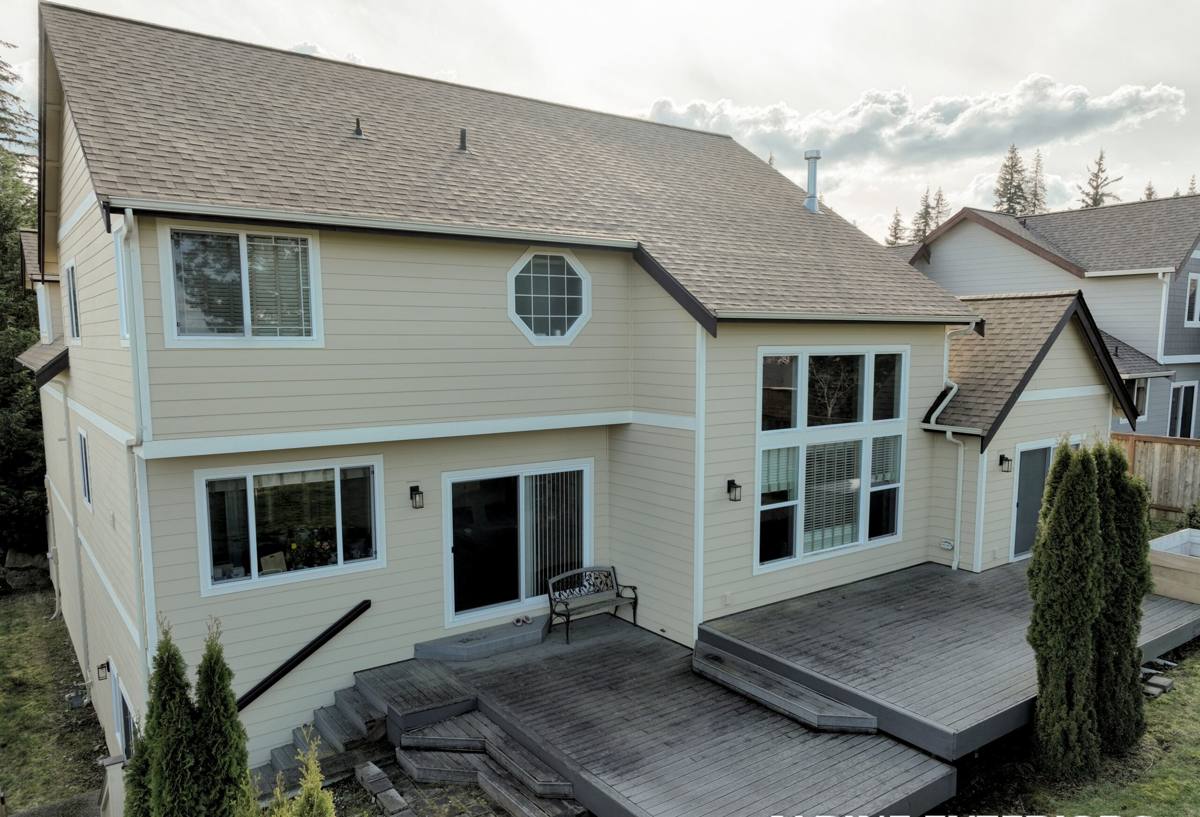
Why Sarasota's Climate Is Hard on Decks
Four things drive most of the deck repair calls we get in this part of Sarasota County:
- UV exposure. Florida sun breaks down the lignin in wood fibers and degrades the plastic components in composite decking faster than in most of the country, leading to graying, splitting, and surface chalking.
- Wind-driven rain. Storms here don't just fall straight down — wind pushes rain sideways and up under railings, into end-grain cuts, and behind ledger boards where it can sit and never fully dry.
- Salt air. Even away from the immediate coastline, salt carried inland accelerates corrosion on nails, screws, joist hangers, and structural connectors.
- Heat cycling. Wood and composite boards expand and contract daily in Florida's heat-humidity swings, which loosens fasteners over time and opens small gaps that let water in.
None of this means a deck in Bee Ridge is doomed — it means the repair has to account for these conditions instead of just replacing a board and calling it done.
Common Deck Problems We See in This Neighborhood
Wood Decking and Framing
Pressure-treated wood is common on older decks in this area, and it holds up well when properly sealed and maintained. When it isn't, we typically find soft or spongy boards near the edges, checking (splitting) on the top surface from sun exposure, and rot at the points where boards contact framing or where water pools instead of draining. Ledger boards — the piece that attaches the deck to the house — are a frequent trouble spot, since water intrusion there can go unnoticed until the connection is already compromised.
Composite and PVC Decking
Composite boards resist rot better than wood, but they aren't immune to problems. We commonly see fastener pop where screws have backed out from thermal movement, staining or mildew growth in shaded, poorly ventilated areas, and edge swelling on older composite products that weren't fully capped against moisture. Composite repairs are also less forgiving to "eyeball" — mismatched board colors and discontinued profiles make patch repairs trickier than with plain wood.
Fasteners, Connectors, and Hardware
This is the piece homeowners notice least and that causes the most serious failures. Standard galvanized hardware corrodes faster in Gulf Coast air than most people expect, and once a joist hanger or ledger bolt is compromised, the structural integrity of that section of deck is in question even if the boards on top look fine.
Railings and Stairs
Loose railing posts are one of the most common repair requests we get, usually from wood movement or corroded lag bolts rather than a single dramatic failure. Stair stringers exposed to ground moisture also show rot at the base well before the rest of the structure shows any wear.
Repair or Replace? How We Help You Decide
Not every deck problem calls for a full rebuild, and not every deck is worth saving board by board. We look at the structure as a whole — framing, ledger connection, and hardware condition — before we ever talk about surface boards, because a deck with sound bones and worn decking is a very different job than one with compromised framing under nice-looking boards.
| Factor | Favors Repair | Favors Replacement |
|---|---|---|
| Framing condition | Solid, no soft spots when probed | Widespread soft or rotted joists |
| Ledger board | Properly flashed, dry, secure | Water staining, movement, missing flashing |
| Deck age | Under 10-15 years, maintained | Original hardware, decades old |
| Damage extent | Isolated boards or railing sections | Damage spread across most of the surface |
| Code compliance | Meets current attachment and railing standards | Outdated construction, no proper ledger connection |
When framing and ledger connections are sound, board and railing repairs can extend a deck's usable life by years for a fraction of rebuild cost. When the structure itself is in question, patching the surface just delays a bigger problem and can create a false sense of security.
What a Correct Deck Repair Actually Involves
Structural Inspection First
Every repair starts by checking what you can't see from the surface: the ledger board attachment, joist condition, post bases, and footing stability. Surface repairs on top of a compromised structure aren't a repair — they're a cosmetic fix on a safety problem.
Matching the Right Fastener to the Job
Given the corrosion issues salt air causes locally, we favor stainless steel or heavy-duty coated fasteners rated for coastal exposure over standard hardware, especially at structural connection points like ledger bolts and joist hangers. It costs more up front and saves the homeowner from repeating the same repair in a few years.
Proper Drainage and Flashing
A huge share of deck failures trace back to water that had nowhere to go. Correct repair work includes making sure ledger flashing directs water away from the house, that boards have proper gapping for drainage, and that any low spots holding water are corrected, not just re-covered.
Board Replacement Done Right
Whether we're replacing wood or composite boards, we match spacing and fastening patterns to the surrounding deck and, where possible, source materials that blend with existing color and profile rather than leaving an obvious patchwork.
Railing and Stair Repair
Loose railings get re-secured with appropriately sized, corrosion-resistant hardware and checked against current code height and spacing requirements, not just tightened and left as-is.
Our Deck Repair Process
We keep the process straightforward because homeowners deserve to know exactly what's happening to their deck and why.
- On-site inspection. We check framing, ledger connection, hardware, and surface condition, and explain what we find in plain terms.
- Written scope and estimate. You get a clear breakdown of what needs repair versus what's optional, with pricing before any work starts.
- Permitting, if required. Structural repairs in Sarasota County often require a permit — we handle that step so you don't have to navigate it yourself.
- Repair work. Framing and structural issues are corrected first, followed by decking, railings, and finish work.
- Final walkthrough. We go over the completed repair with you and flag any maintenance items to watch going forward.
Permits and Sarasota County Considerations
Deck work involving structural framing, ledger reattachment, or railing changes typically falls under Sarasota County permitting requirements, even for repairs rather than new construction. Cosmetic board replacement on an otherwise sound structure may not require a permit, but the line between "cosmetic" and "structural" isn't always obvious from the surface. Part of doing this job honestly is telling you when a permit applies rather than skipping that step to save time — unpermitted structural work can complicate a home sale or insurance claim down the road.
Keeping a Repaired Deck in Good Shape
A good repair should last. A few habits make a real difference in how long it holds up against Sarasota's climate:
- Rinse off salt film, pollen, and debris every few weeks, especially after storms.
- Reseal or restain wood decking on a regular schedule rather than waiting for visible graying.
- Keep gutters and downspouts clear so runoff isn't dumping directly onto the deck or ledger area.
- Check railing posts and stair connections for looseness once or twice a year.
- Trim back vegetation that keeps deck sections shaded and damp.
- Address small issues — a soft board, a loose baluster — before the next hurricane season instead of after.
Why a Crew That Works Bee Ridge Already Matters
A contractor who only occasionally works this part of Sarasota County is often learning on your project — guessing at how local materials weather, unfamiliar with the county's permitting expectations, or defaulting to generic hardware that isn't suited to salt air exposure. A crew that regularly works Bee Ridge and the surrounding neighborhoods has already seen how decks in this specific environment age, which means fewer surprises, more accurate estimates, and repairs built to actually hold up here rather than in a milder climate.
If you've got a deck in Bee Ridge that's showing its age — soft boards, loose railings, or just general wear from a few too many Sarasota summers — we're happy to take a look and give you a straightforward, no-pressure estimate on what it would take to get it solid again.