 Sarasota Window
 Board & Batten Siding in Nokomis: Built for the Gulf Coast, Not Just Styled for It
Board and batten has become one of the most requested looks in Nokomis over the past several years — the vertical lines, the crisp shadow reveals at every batten, the way it reads as more custom than standard lap siding. But in this part of Sarasota County, board and batten has to do more than look good. It has to survive salt-laden air off the Gulf, summer storms that throw wind-driven rain sideways into a wall, and UV exposure that runs nearly year-round instead of tapering off for a season. We install board and batten siding using James Hardie fiber cement systems exclusively, and this page walks through what that actually means for a Nokomis home — not the marketing version, the practical one.
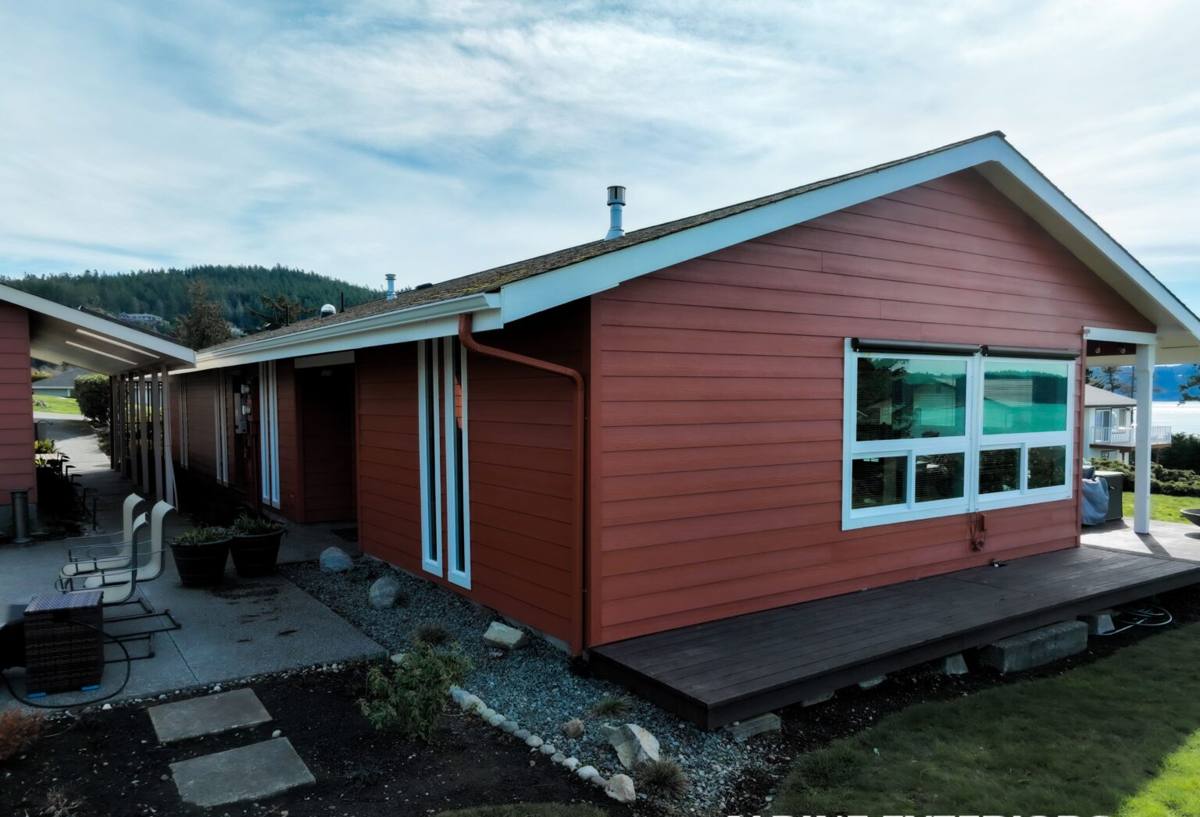
Why the Climate Here Changes How Board & Batten Should Be Built
Nokomis sits close enough to the water that salt air is a constant, not an occasional visitor. Combine that with intense sun exposure, seasonal downpours, and the wind loads that come with any storm moving through the Gulf, and you get a set of conditions that punishes the wrong siding choice quickly.
What that means for a vertical siding profile specifically
- Batten placement affects water flow. Vertical battens create more seams and more opportunities for water to find a path inward if they're not flashed and fastened correctly.
- Fastener corrosion is accelerated by salt air. The wrong fastener spec on a coastal Sarasota County home can lead to streaking and loosened boards years before it should.
- UV breaks down paint film over time. Field-applied paint on wood-based or fiber cement board and batten fades and chalks faster here than in most of the country, which is part of why we don't rely on it.
- Wind uplift at panel edges and corners is a real structural consideration in hurricane-prone areas, not just an aesthetic detail.
None of this means board and batten is a bad choice for Nokomis — it's a great one when it's engineered and installed for these conditions rather than just nailed up to match a photo from a cooler, drier climate.
Why We Only Install James Hardie for This Look
Board and batten can be built from several materials — primed wood, vinyl vertical panels, engineered wood products, or fiber cement. We standardized on James Hardie fiber cement for every siding job we do, including board and batten, and it's worth explaining why in the context of this specific style.
Moisture behavior
Fiber cement doesn't swell, rot, or delaminate the way wood-based products can when moisture gets behind a batten or into a seam. In a climate with wind-driven rain and high humidity most of the year, that's not a minor point — it's the difference between siding that shrugs off the occasional water intrusion and siding that starts to fail from the inside out.
Non-combustible core
James Hardie fiber cement is non-combustible. That's a meaningful advantage on any home, and it's one more reason we don't offer wood-based or vinyl alternatives for this look.
Factory-applied ColorPlus finish
Instead of field-painting board and batten on site — which is common with primed wood alternatives — Hardie's ColorPlus finish is baked on at the factory under controlled conditions, with a finish formulated to resist UV fade. In a market with Sarasota's sun exposure, a factory finish holds color and integrity longer than most field-applied paint jobs, and it comes backed by its own finish warranty separate from the substrate warranty.
Engineered for the climate
Hardie's HZ5 product line is engineered for higher-moisture, higher-humidity climates like Florida's, which matters more for a vertical, seam-heavy profile than it does for a flat lap profile with fewer joints.
What a Correctly Installed Board & Batten Job Actually Involves
The visual result of board and batten is simple — vertical boards, battens over the seams. What's underneath that determines whether it lasts 10 years or 40.
| Step | Why It Matters in Nokomis |
|---|---|
| Water-resistive barrier installed correctly behind the panel | Provides a drainage plane if any moisture gets past the battens during wind-driven rain |
| Proper flashing at every penetration, window, and door | Prevents the most common source of hidden moisture damage on any siding job |
| Correct fastener type and spacing, per Hardie's coastal/high-wind specs | Reduces corrosion risk from salt air and keeps panels secured under storm wind loads |
| Proper gap and caulking at panel-to-batten and panel-to-trim joints | Allows for expansion/contraction without cracking or trapping water |
| Correct clearance from grade, roofline, and hardscape | Keeps the bottom edge of the siding out of standing water and splash-back |
Skipping any one of these doesn't usually show up in month one. It shows up two or three years later as staining, soft spots, or boards that have started to separate from the wall — after the installer has moved on.
Our Process for a Nokomis Board & Batten Project
1. On-site assessment
We look at the existing wall assembly, current siding condition, moisture history if any, and how the home is oriented to prevailing wind and rain.
2. Product and layout plan
We plan board width, batten spacing, and corner details before anything comes off the wall, so the finished look is intentional rather than improvised mid-job.
3. Tear-off and substrate check
Removing old siding is when hidden water damage, if any exists, gets found and addressed — not after the new siding is already up.
4. Weather barrier and flashing
This is the step that determines long-term performance more than any other, and it's the one most likely to get rushed by crews unfamiliar with the product or the climate.
5. Installation to Hardie's fastening and clearance specifications
Not generic fastening — the specific pattern and hardware called for by the product line and local wind exposure.
6. Final inspection and caulking
Every seam, joint, and trim line gets checked before the job is called done.
Why a Crew That Already Works Nokomis Matters
Board and batten installed to a generic national spec and board and batten installed by a crew that works Sarasota County's coastal conditions regularly are not the same job. A local crew already accounts for the fastener corrosion resistance this air demands, the wind-load realities of building near the Gulf, and the drainage details that matter when a summer storm dumps an inch of rain in twenty minutes. That familiarity shows up in the details — the ones that don't get photographed but determine whether the siding is still performing well a decade from now.
What to Check Before Hiring Anyone for Board & Batten Siding
- Are they installing to the manufacturer's written fastening and clearance specifications, or just "how they've always done it"?
- Do they carry proper licensing and insurance for exterior work in Florida?
- Will they explain the flashing and water-barrier plan before the old siding comes off, not after a problem shows up?
- Do they stand behind both labor and materials, and can they explain how the manufacturer's warranty actually works?
- Have they installed this specific style — vertical board and batten — on homes in this area before, not just standard lap siding?
Cost Factors Worth Understanding Up Front
| Factor | How It Affects the Job |
|---|---|
| Home size and wall complexity | More corners, gables, and penetrations mean more flashing and trim detail work |
| Current siding removal | Tear-off scope depends on what's underneath and whether substrate repair is needed |
| Batten spacing and board width chosen | Wider spacing uses fewer materials but changes the visual proportion — this is a design decision, not just a cost lever |
| Color and finish selection | ColorPlus factory finishes vary by collection and color depth |
| Access and site conditions | Landscaping, elevation, and home layout can affect labor time |
We don't quote a job without seeing the home — anything else is a guess. What we can say honestly is that board and batten done right, with proper flashing and coastal-rated fastening, costs more up front than a shortcut version, and costs far less over the life of the home than redoing a job that failed early.
If you're weighing board and batten siding for a home in Nokomis, we're glad to walk the property, talk through the design and product details, and give you a straight answer on scope and cost — no pressure, no obligation. The estimate request form below is the fastest way to get that conversation started.