 Sarasota Window
 Board & Batten Siding for Palmer Ranch Homes
Board and batten has become one of the most requested exterior looks in Palmer Ranch, and it's easy to see why. The vertical lines read as clean and modern on newer construction, but the same profile also fits comfortably on the coastal-cottage and craftsman-style homes scattered through the area's older sections. It's a siding style that works whether a homeowner wants a fresh, contemporary front elevation or a more traditional Florida look with deep shadow lines and texture.
But a board and batten installation is only as good as what's behind the boards. In Sarasota County, the material, the fastening pattern, and the drainage details matter as much as the finished appearance — arguably more, since a good-looking installation that traps moisture or fails in wind will cost far more to fix than it would have cost to do right the first time.
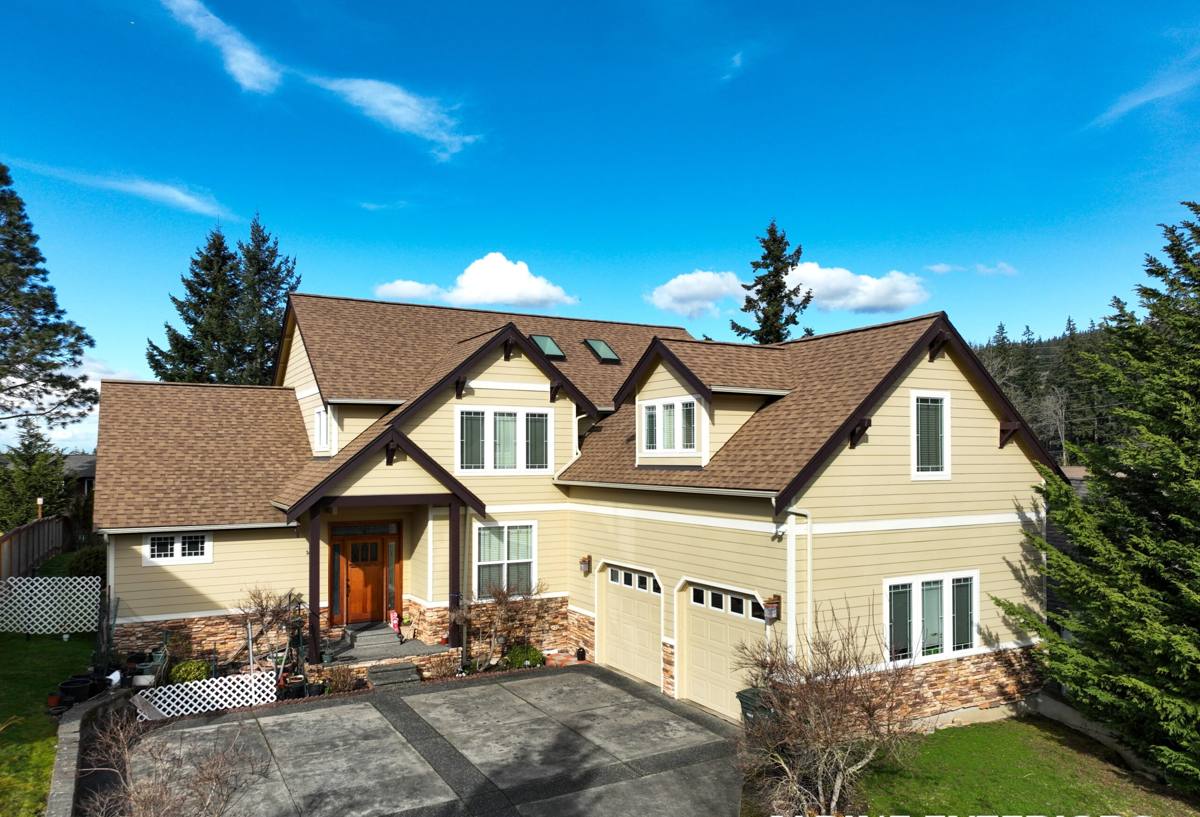
What Palmer Ranch's Climate Actually Demands
Palmer Ranch sits inland enough to avoid direct beachfront exposure, but it's still well within the reach of everything Gulf Coast weather throws at a house over a full year.
- Hurricane-force wind: Vertical siding has more surface area exposed to uplift at each panel edge than horizontal lap siding. Fastener spacing and panel attachment have to be engineered for wind load, not just nailed on by eye.
- Intense, year-round UV: Florida sun breaks down paint film faster than almost anywhere else in the country. A board and batten system with a factory-baked finish holds its color far longer than a system that depends on field-applied paint.
- Wind-driven rain: Storms here don't just fall straight down — rain gets driven sideways into every seam, joint, and batten reveal. The water management behind the boards has to assume rain will find its way to the wall, and give it somewhere to go.
- Salt air: Even set back from the water, Sarasota County homes deal with airborne salt that accelerates corrosion on fasteners and telegraphs through cheap coatings over time.
Any board and batten system installed in Palmer Ranch needs to be selected and installed with all four of these in mind at once — not just the one that happens to be top of mind that week.
Board & Batten Material Options — An Honest Comparison
Board and batten can be built from several materials. Here's how they actually perform under Sarasota conditions, not just how they're marketed.
| Material | UV / Fade Resistance | Moisture Behavior | Wind Performance | Long-Term Upkeep |
|---|---|---|---|---|
| Vinyl board and batten | Fades and can warp or distort in direct heat | Doesn't rot, but seams and channels can trap water against the wall | Lighter panels are more prone to flexing and blow-off in gusts | Low upkeep but limited repair options once faded or cracked |
| Wood (cedar, primed spruce) | Requires repainting every few years to hold color | Absorbs moisture, swells, and rots if any detail fails | Fine when installed correctly, but fastener pull-through is a risk over time | High — regular repainting and caulking is part of ownership |
| James Hardie fiber cement | Factory ColorPlus finish is baked on and warranted against fading | Non-combustible, doesn't swell or rot, engineered moisture-management behind the panel | Rated and tested for high-wind installation when fastened to spec | Low — no repainting cycle, occasional rinse and inspection |
Every one of these materials can look like board and batten in a photograph. The difference shows up five, ten, and twenty years later.
Why We Only Install James Hardie Board & Batten Panels
We don't install vinyl board and batten, engineered wood panels, or primed spruce boards — not because those products have no place in the market, but because we've made a professional decision to stand behind one system that we know performs in this climate: James Hardie fiber cement.
For board and batten specifically, that means HardiePanel vertical siding paired with HardieTrim battens, built from Hardie's climate-engineered HZ10 formulation for the Southeast and Gulf Coast. A few reasons this matters for Palmer Ranch homes specifically:
- Non-combustible core — fiber cement doesn't feed a fire the way wood-based products can, which matters for insurance conversations as much as safety.
- ColorPlus factory finish — the color is baked into the panel at the factory under controlled conditions, which holds up to Florida UV dramatically better than field-applied paint, and carries its own finish warranty.
- Engineered for humidity and moisture cycling — HZ10 fiber cement is formulated for the wet-dry, hot-humid cycling that's normal here, not adapted from a product built for a different climate.
- Strong, transferable warranty — when installed to Hardie's specifications, the manufacturer warranty is substantial and can transfer to a new owner, which matters if the home sells.
Hardie board and batten costs more upfront than vinyl and is priced similarly to quality wood systems. The difference is what happens after year one — no repainting cycle, no warping in the heat, no soft spots from trapped moisture.
What a Correct Board & Batten Installation Involves
Board and batten looks simple from the curb — vertical panels, battens over the seams — but the assembly behind those boards is where installations succeed or fail. A correct installation includes:
Water Management Behind the Panel
A drainage plane (weather-resistant barrier, properly lapped and sealed) goes on the wall sheathing before any siding touches it. Panels are held off that plane with furring or an integrated drainage gap so that any water that does get behind a seam has a path down and out, instead of sitting against the wall.
Fastening for Wind Load
Fastener type, spacing, and embedment are specified by Hardie for the wind zone and exposure category of the home — not a generic pattern used on every job regardless of location. This is especially relevant on Palmer Ranch homes with more open, unshielded elevations facing prevailing wind.
Flashing at Every Penetration
Windows, doors, hose bibs, light fixtures, and any other wall penetration need proper flashing integrated with the water-resistive barrier before the siding goes on. This is the detail most often skipped by crews trying to move fast, and the detail most responsible for hidden rot when it's missed.
Batten Layout and Reveal Consistency
Batten spacing should be planned around the home's elevation — window and door locations, corners, and wall length — so the pattern lands symmetrically rather than ending in an awkward sliver at a corner.
Sealed, Caulked Joints Rated for Sun and Salt
Sealants used at joints and terminations need to hold up to UV and salt exposure, not just look good on installation day.
Our Process for a Palmer Ranch Board & Batten Project
- On-site inspection — we assess the existing siding, sheathing condition, and any moisture or rot issues before quoting anything.
- Measurement and design — batten layout is planned around the home's actual elevations, not a generic template.
- Product and color selection — homeowners choose from Hardie's ColorPlus palette and panel profile options suited to their home's style.
- Tear-off and prep — old siding comes off, sheathing is inspected and repaired if needed, and a new water-resistive barrier goes on correctly lapped and flashed.
- Installation to Hardie spec — panels, battens, and fasteners installed per manufacturer wind-zone requirements.
- Final walk-through — we go over the finished job with the homeowner before calling it complete.
Why a Crew That Already Works Palmer Ranch Matters
Palmer Ranch includes a number of established communities, many with their own architectural review processes and exterior guidelines. A crew that's worked in the area understands that approval steps and documentation often need to happen before the first panel goes up, and knows how to plan a project timeline around that instead of finding out mid-job. Sarasota County permitting for exterior work is also part of doing this correctly — a licensed, local crew handles that as a normal part of the process rather than treating it as an afterthought.
There's also a practical logistics benefit: a crew that regularly works Palmer Ranch isn't learning the neighborhood's typical home styles, common HOA expectations, or drive-time logistics for the first time on your job.
Maintaining Board & Batten Siding in a Coastal Climate
Even a low-maintenance material benefits from a basic annual check. A simple homeowner checklist:
- Rinse the siding with a garden hose once or twice a year to clear salt film and pollen buildup.
- Walk the exterior after major storms and check caulking at joints, trim, and penetrations for cracking or separation.
- Look for any staining below flashing points, which can indicate a sealant or flashing issue worth addressing early.
- Keep sprinklers and irrigation heads angled away from directly hitting the siding to avoid constant water exposure on one section.
- Trim back landscaping that holds moisture against the wall or shades one area enough to encourage mildew growth.
None of this is heavy maintenance — that's the point of choosing a factory-finished fiber cement system in the first place.
Get a Straightforward Estimate
If you're weighing board and batten siding for a Palmer Ranch home, we're glad to come take a look, answer questions honestly, and put together a clear, no-pressure estimate — no scare tactics, no invented urgency, just what your home actually needs.