 Sarasota Window
 Why Bradenton Roofs Wear Differently Than Roofs Inland
A roof in Bradenton does a harder job than a roof forty miles inland, even if it's built from the same shingle bundle. Sitting along the Gulf Coast between Tampa Bay and Sarasota, Bradenton homes take on constant, low-grade abuse from sun, salt, and moisture that adds up fast. Add in the periodic hurricane-force wind events that come through this stretch of Florida, and a roof that was installed without the coast in mind tends to show its age early — curling shingles, rusted fasteners, and soft spots around penetrations well before it should.
The four biggest factors we design around for any new roof installation in this area are wind, UV, wind-driven rain, and salt air. None of them are exotic — every Gulf Coast roofer deals with them — but each one attacks a different part of the roof system, and a correct installation has to account for all four at once, not just the one that's easiest to sell.
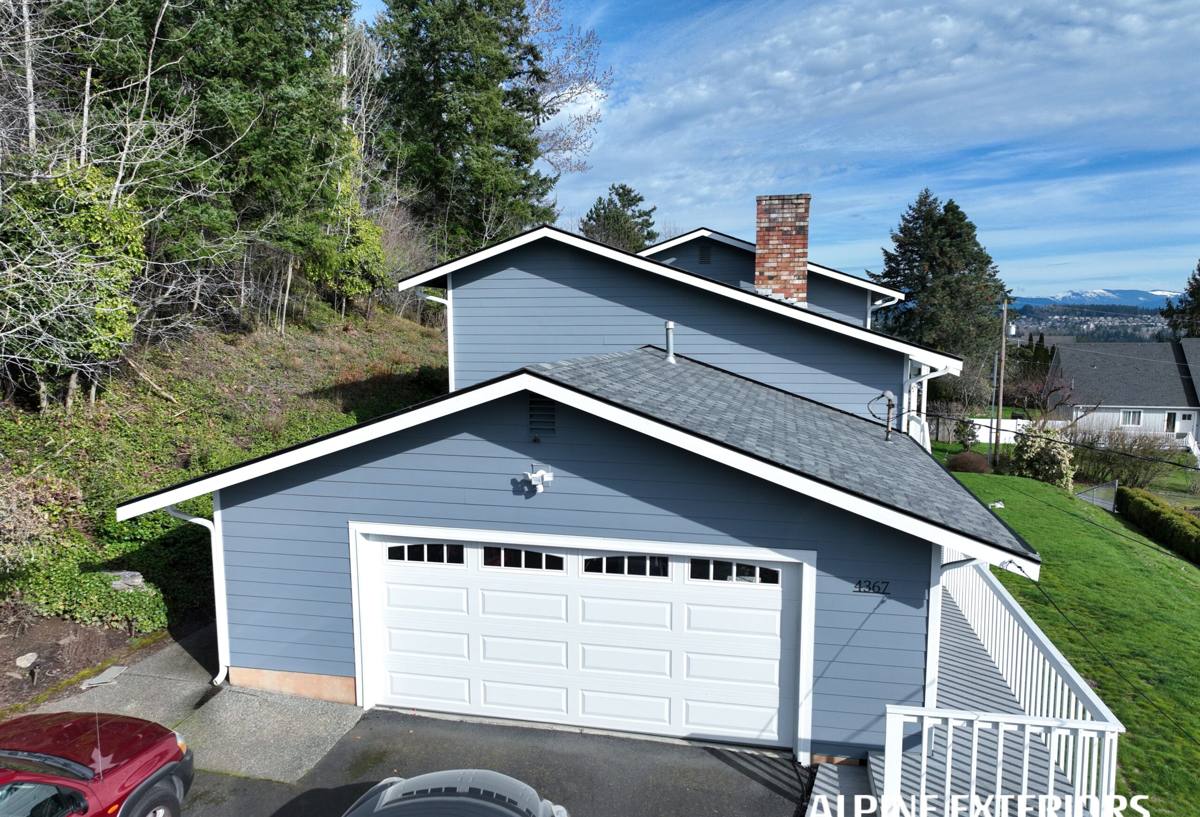
How Each Climate Factor Attacks a Roof
Wind
Hurricane-force gusts don't just tear off loose shingles — they get up under edges and ridges and peel a roof from the perimeter inward. The failure point is almost always at the edges, hips, and ridge caps, which is why nailing pattern, fastener count, and edge metal matter more than the shingle brand printed on the wrapper.
UV Exposure
Florida sun is intense and year-round, not seasonal. UV breaks down the asphalt oils in shingles and dries out sealant strips, which is what eventually causes granule loss and brittleness. A roof baking under this kind of sun for a decade needs materials and ventilation that are rated for it, not just standard-grade product.
Wind-Driven Rain
Rain that comes in sideways during a storm doesn't behave like rain falling straight down. It gets pushed under shingle tabs, around vents, and through any flashing gap that a calmer climate would never expose. This is why underlayment and flashing details matter as much as the shingles themselves out here.
Salt Air
Even at a few miles from the water, salt-laden air accelerates corrosion on exposed metal — nail heads, flashing, vent stacks, and fasteners. Corroded fasteners lose their grip strength over time, which is a quiet problem until a wind event finds the weak spot.
What a Correct New Roof Installation Actually Involves
A new roof is more than shingles on plywood. Done right, it's a layered system where every component backs up the one above it. For a Bradenton home, that system needs to be built with the four factors above in mind from the deck up.
Tear-Off and Deck Inspection
We don't install over an existing roof. A full tear-off lets us see the actual condition of the decking — soft spots, old leaks, and rot that a roof-over would hide for years until it becomes a structural problem. Any damaged decking gets replaced before anything else goes down.
Underlayment and Secondary Water Barrier
This is the layer that protects the house if wind ever lifts a shingle during a storm. In a wind-driven rain climate, this isn't optional upgrade territory — it's the difference between a storm event that costs you nothing and one that costs you a ceiling.
Flashing and Penetrations
Valleys, chimneys, skylights, and vent stacks are where most leaks actually start, not out in the open field of shingles. Flashing has to be properly lapped, sealed, and — given the salt air here — ideally corrosion-resistant, not bare galvanized that starts rusting within a few seasons.
Ventilation
Proper intake and exhaust ventilation keeps attic temperatures down, which slows shingle aging from the underside and helps control moisture that can otherwise lead to deck rot and mold.
Roofing Materials for a Bradenton Home
There's no single "best" roofing material — the right choice depends on your budget, roof pitch, and how long you want to go before the next replacement. Here's how the common options compare for a Gulf Coast home:
| Material | Typical Wind Rating | Expected Lifespan | Maintenance Notes |
|---|---|---|---|
| Architectural asphalt shingles | Up to 130 mph when properly installed | 20-30 years | Most affordable; sealant strips and granule coating are what age fastest in this sun |
| Standing seam metal | Often rated well above 140 mph | 40-50+ years | Higher upfront cost; needs quality fasteners and coatings to resist salt-air corrosion |
| Concrete or clay tile | High wind resistance when fastened correctly | 50+ years | Heavy — requires the structure to support it; underlayment failure is the usual weak point, not the tile itself |
Our standard is to match the material to what the roof structure and your budget can actually support, and to be upfront about the trade-offs rather than pushing whatever has the best margin. A shingle roof installed correctly will consistently outperform a premium material installed carelessly.
Wind Resistance and Building Code in Manatee and Sarasota Counties
Bradenton sits in Manatee County, just north of Sarasota County, and both jurisdictions enforce the Florida Building Code's wind provisions for this region. That means permitted roof work here has to meet minimum wind-uplift and fastening requirements, and it goes through a permit and inspection process rather than being a handshake job.
In practice, this shows up in things like required nailing patterns (often six nails per shingle instead of four in wind-exposed areas), enhanced starter strip and ridge cap fastening, and documentation of the products used so the roof qualifies for wind mitigation credits on your homeowner's insurance. A contractor who pulls proper permits and schedules the required inspections is protecting you twice — once structurally, and once on your insurance paperwork.
Our Roof Installation Process
- On-site inspection — we look at the current roof, decking condition (where visible), pitch, and any problem areas before quoting anything.
- Written estimate — material options and pricing explained plainly, with the trade-offs of each laid out, not just a single number.
- Permitting — we handle the Manatee or Sarasota County permit application so the job is inspected and documented correctly.
- Tear-off and deck repair — old roofing removed, decking inspected, and any damaged sections replaced.
- Underlayment, flashing, and material installation — installed to current wind and moisture standards for this climate.
- Cleanup and magnetic sweep — job site and yard cleared of debris and stray fasteners.
- Final inspection — signed off by the county before the job is considered complete.
Signs Your Bradenton Roof Needs Replacing, Not Just Repair
Not every roof problem calls for a full replacement, but these are the signs that a repair is likely just delaying the inevitable:
- Shingles that are curling, cupping, or losing granules in patches across the roof, not just one spot
- Missing or lifted shingles after wind events, especially repeated occurrences
- Soft or spongy spots when walked on, which usually points to deck damage underneath
- Interior ceiling stains or attic water marks that show up after storms
- Visible rust or corrosion on flashing, vent stacks, or exposed fasteners
- A roof approaching or past the manufacturer's rated lifespan, particularly if it's never been re-flashed or serviced
- Daylight visible through the roof deck from inside the attic
What a New Roof Costs in Bradenton
Every roof is different, so we won't quote a number without seeing your home, but these are the main factors that move the price up or down:
| Cost Factor | Why It Matters |
|---|---|
| Roof size and pitch | More square footage and steeper pitches mean more material and labor time |
| Decking condition | Rotted or soft decking found during tear-off adds material and labor to replace it |
| Material choice | Shingle, metal, and tile carry very different material and labor costs |
| Roof complexity | Valleys, hips, dormers, and multiple penetrations all add labor and flashing detail |
| Permit and inspection requirements | Proper permitting is part of a legitimate job, and it's built into an honest estimate |
Why Hiring a Crew That Already Works in Bradenton Matters
A roofing crew that regularly works Manatee and Sarasota County jobs already knows the local permit offices, the specific wind and fastening requirements enforced here, and how to document a job so it qualifies for wind mitigation insurance credit. That familiarity translates into fewer inspection delays and fewer surprises mid-project.
It also means realistic scheduling. Storm season brings a surge of roofing demand across the Gulf Coast, and a crew based in the area understands how to plan material orders and labor around that seasonal reality rather than overpromising a timeline they can't hit.
If you're weighing a new roof for your Bradenton home, we're happy to take a look and walk you through your options honestly. Reach out for a free, no-pressure estimate using the form below.