 Sarasota Window
 Why Decking Takes a Beating in University Park
University Park sits inland from the Gulf but still lives under the same Sarasota County weather rules as everywhere else on this coast: long, intense UV exposure nearly every day of the year, seasonal hurricane-force winds, wind-driven rain that finds its way into any gap in a structure, and salt-laden air that travels farther inland than most homeowners expect. A deck or lanai floor in this community isn't just outdoor flooring — it's a structure that has to survive repeated heat-cycling, storm loading, and moisture intrusion year after year without warping, fading unevenly, or rotting from underneath.
Many homes in this area were built with traditional wood decking or aging composite products that were never really matched to Gulf Coast conditions. We see the same failure patterns over and over: boards that cup or crown from moisture trapped underneath, fastener heads that back out after a few heat cycles, and fading that happens faster on the west-facing side of a lanai than the rest of the deck. None of that is a mystery once you understand what Sarasota's climate actually does to decking materials over time.
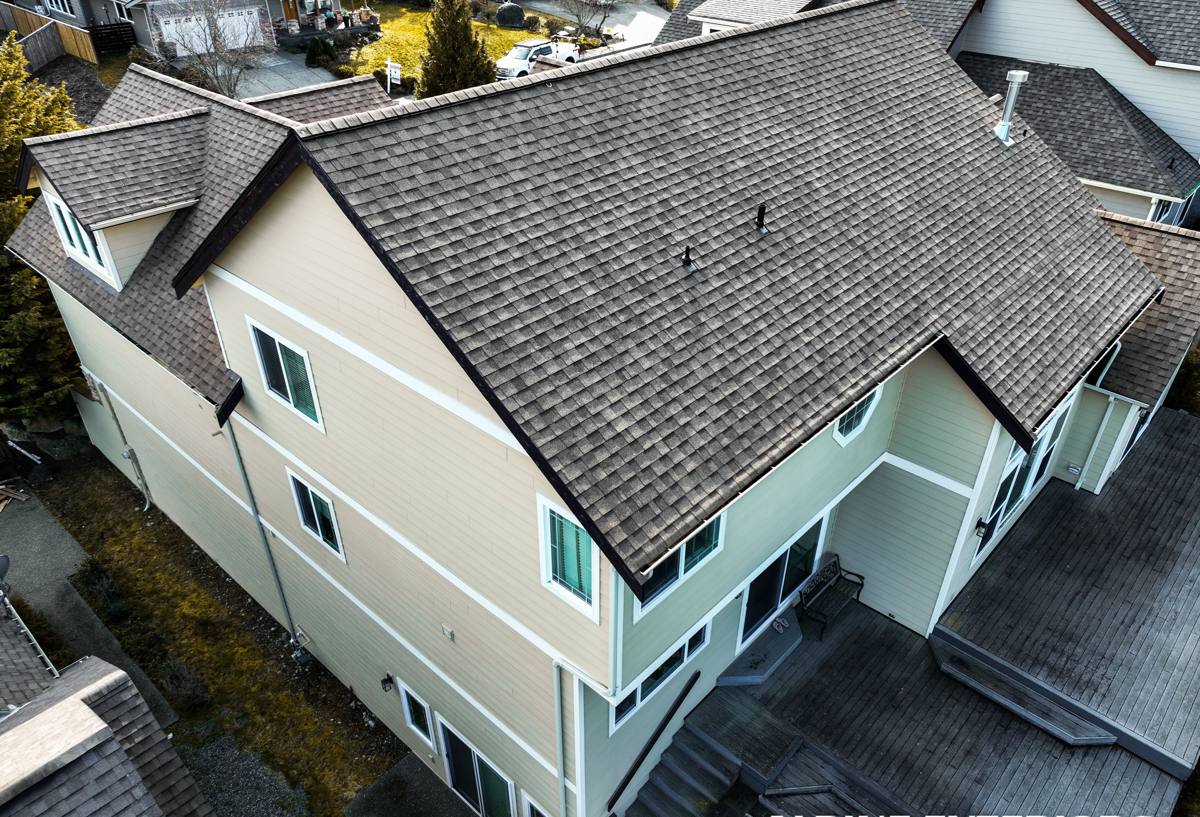
What University Park Homes Need From a Deck
University Park is a mature, well-landscaped community with a mix of golf-course lots, lake and pond frontage, and homes with screened lanais or pool decks that see heavy foot traffic. That combination creates a few specific demands on any decking material:
- Resistance to standing humidity — lake and pond lots hold moisture in the air longer after rain, which matters for anything installed low to grade
- Stability under mature tree canopy — shaded sections stay damp longer while sunny sections take full UV load, so the material has to perform consistently under both conditions on the same deck
- Fade resistance that holds up evenly across the whole surface, not just the shaded portions
- Hardware and fastening that won't corrode from the salt content carried inland by Gulf breezes
- A structure built to hold up under wind loading, since any exterior surface in this county needs to survive storm season, not just look good on a calm day
A generic decking job — one built to a national average spec rather than a Gulf Coast one — tends to show its weaknesses within the first two or three years here. That's the gap we build our process around closing.
Composite Decking vs. the Alternatives
We install composite decking because, done correctly, it's the material that best matches what this climate demands. That said, every material has real trade-offs, and we'd rather explain them honestly than oversell any one product.
| Material | UV / Fade Behavior | Moisture Behavior | Maintenance |
|---|---|---|---|
| Pressure-treated wood | Fades and grays quickly under constant Florida sun | Absorbs water, prone to warping and rot at fastener points | Requires regular sealing/staining to slow deterioration |
| Uncapped composite | Better than wood, but surface can still fade and the core can absorb some moisture over time | More moisture-resistant than wood, not fully sealed | Low, but not maintenance-free |
| Capped composite | Best fade resistance of the three; the polymer shell is engineered for UV exposure | Sealed core resists moisture intrusion at the board level | Lowest — occasional cleaning, no sealing or staining |
Capped composite costs more upfront than wood or uncapped composite, but in a climate that punishes materials this hard, the lower long-term maintenance and more consistent fade performance usually make it the better value over the life of the deck.
Where Composite Still Has Limits
Composite decking isn't magic. Board temperature can run hotter underfoot than wood on a direct-sun deck in peak summer — a real consideration for pool decks and lanais with heavy midday exposure. And composite is only as good as the substructure underneath it; the best boards in the world will still fail early over a poorly built or under-ventilated frame.
What a Correct Installation Actually Involves
The board itself is maybe half the equation. The other half is what's underneath and around it, and it's where we see the most corners cut on past installs we're asked to inspect or replace.
Substructure and Framing
Joist spacing has to match the specific composite product's engineering requirements — composite boards typically need tighter joist spacing than wood to avoid sagging over time. We use fasteners and structural connectors rated for coastal exposure, not standard interior-grade hardware that will corrode within a few seasons of salt air contact.
Ledger Attachment and Flashing
Where a deck attaches to the house, proper flashing keeps wind-driven rain from working its way behind the ledger board and into the home's structure. This is one of the most common failure points we find on older installs — water intrusion at the ledger connection that isn't visible until it's already caused damage.
Ventilation and Drainage
Composite decking needs airflow underneath to shed the humidity that's constant in this part of Florida. Decks built too close to grade, or without adequate ventilation gaps, trap moisture that shortens the life of both the boards and the substructure.
Expansion Gaps and Fastening
Composite material expands and contracts with heat more than most homeowners expect. Board spacing and hidden fastener systems have to account for that movement, or you end up with buckling, popped fasteners, or uneven gaps within a year or two.
Our Process, Start to Finish
- On-site assessment — we look at the existing structure (if any), grade, drainage, sun exposure, and how the space is actually used
- Structural evaluation — we confirm the substructure can be reused or determine what needs to be rebuilt to current framing standards
- Material selection — we walk through composite options suited to your budget and how the space is used, being upfront about trade-offs rather than pushing the most expensive option
- Permitting — decking work in Sarasota County generally requires permitting; we handle that process rather than leaving it to the homeowner
- Installation — framing or reinforcement first, then decking installed to the manufacturer's coastal-climate specifications
- Final walkthrough — we inspect the finished deck with you before we consider the job done, not just before we invoice it
What Drives the Cost
Composite decking costs vary widely based on a handful of factors that matter more than the price per square foot advertised by any one brand.
| Factor | Why It Matters |
|---|---|
| Existing substructure condition | Reusable framing costs far less than a full rebuild, but only if it's actually sound |
| Deck size and shape | Complex angles, stairs, and multiple levels add labor beyond simple linear footage |
| Board grade (capped vs. uncapped) | Capped composite costs more per board but reduces long-term maintenance |
| Height above grade / railing requirements | Code-required railing and structural bracing add cost on elevated decks |
| Site access | Lake-adjacent or heavily landscaped lots can complicate material staging and equipment access |
We'd rather give you a real number after seeing your specific deck than a generic per-square-foot estimate that doesn't hold up once the job starts.
Maintaining Composite Decking on the Gulf Coast
One of the real advantages of capped composite in this climate is how little upkeep it needs compared to wood — but "low maintenance" isn't "no maintenance." Periodic washing to clear salt residue, pollen, and organic debris from tree canopy keeps the surface performing as designed and prevents buildup in board gaps that can trap moisture. Checking fasteners and railing connections after major storms is also worth doing, the same way you'd check any other exterior structure on your home.
Why Hiring a Crew That Already Works in University Park Matters
Established communities like University Park often have architectural review requirements through the HOA, along with Sarasota County permitting standards that apply on top of that. A crew that's already worked in the neighborhood knows what documentation is typically expected, what setback and railing requirements tend to come up, and how to sequence a project so it doesn't sit half-finished waiting on approvals. That familiarity isn't a shortcut around the process — it just means fewer surprises and delays for you along the way.
It also means we've seen how decking actually performs on lots like yours over multiple storm seasons, not just on a showroom sample. That's the difference between a deck that's built to look good on installation day and one that's built to still look good five summers and a few tropical systems later.
Composite Decking Checklist Before You Sign a Contract
- Confirm the contractor is licensed to work in Sarasota County and carries current insurance
- Ask whether they pull permits themselves or expect you to handle it
- Get specifics on fastener and hardware corrosion ratings, not just the board brand
- Ask how they handle ledger flashing and moisture protection at the house connection
- Confirm whether joist spacing will be adjusted to match the specific composite product used
- Get the manufacturer's warranty terms in writing, separate from the installer's workmanship warranty
If you're weighing composite decking for your University Park home, we're glad to come take a look, walk the space with you, and put together a straightforward, no-pressure estimate — no obligation, just a clear picture of what your project actually needs.