 Sarasota Window
 Building a Custom Deck in Sarasota's Laurel Park
Laurel Park is one of the older in-town neighborhoods near downtown Sarasota — modest lots, mature oak canopy, and homes with real architectural character that go back decades. A custom deck here has to work with that setting, not against it: fitting a footprint that suits a smaller in-town lot, working around established trees rather than through them, and standing up to a Gulf Coast climate that includes hurricane-force wind, intense year-round UV, wind-driven rain, and salt-laden air carried in from Sarasota Bay a short distance away.
A deck built for Laurel Park isn't the same project as one built on open ground further out in Sarasota County. The tree cover that gives the neighborhood its character also changes what a deck needs from its materials and drainage design. This page covers what actually matters for a custom deck build in this specific neighborhood — what the site conditions demand, what a correct build involves, and why a crew that already works Laurel Park does a better job here than one learning the neighborhood on your project.
What Laurel Park's Setting Actually Does to a Deck
Mature Tree Canopy and Shade
The oak canopy that lines many Laurel Park streets and yards is one of the neighborhood's best features, and it's also one of the bigger factors in how a deck ages here. Shaded decking stays damp longer after rain than decking out in full sun, which gives mold, mildew, and algae more time to take hold, especially on the north side of a house or under heavy limb cover. Falling leaves, acorns, and organic debris settle into board gaps and against ledger connections, holding moisture against the structure if they aren't cleared regularly. None of this means a deck can't go under a canopy — it means the material and drainage details have to account for shade instead of assuming full sun.
Sun and UV in the Open Parts of the Yard
Not every part of a Laurel Park lot sits under tree cover, and the open sections get the same intense, near year-round UV load the rest of the Gulf Coast sees. That mix of full sun in one part of a yard and heavy shade in another is more common on an in-town lot with mature landscaping than on a newer, more open property, and it means a single deck can show two different aging patterns across its own surface — UV fade and checking on the sunny end, moss and mildew on the shaded end.
Hurricane-Force Wind and Wind-Driven Rain
Sarasota County sits squarely in a hurricane-exposed region, and wind loading is a real structural consideration for any deck here, not an afterthought. Wind-driven rain during a storm reaches ledger connections, railing posts, and fastener points that stay comparatively dry during ordinary weather, and it's common to find loosened hardware or a shifted ledger connection after storm season even when nothing looked obviously wrong beforehand.
Salt Air, Even Blocks Inland
Laurel Park sits close enough to Sarasota Bay and the wider coastline that salt-laden air is still a factor, even though the neighborhood itself is set back from the water. It's a lighter dose than a barrier island property gets, but it's steady, and it still accelerates corrosion in exposed fasteners, brackets, and railing hardware over the years. Combined with the shade and moisture issues above, standard hardware doesn't hold up here as long as homeowners often expect.
Working Within Laurel Park's In-Town Lots
Tight Lots, Setbacks, and Root Zones
In-town Sarasota lots tend to run smaller and tighter than newer subdivisions further out, and Laurel Park is no exception — property lines, setback requirements, and established landscaping all narrow the footprint a deck can actually occupy. Mature oak root systems add another constraint: footings need to be placed and dug with enough care to avoid cutting through significant roots, both to protect the tree and because damaged roots can eventually undermine what looked like solid ground when the footing went in.
Designing a Deck That Fits an Older Home
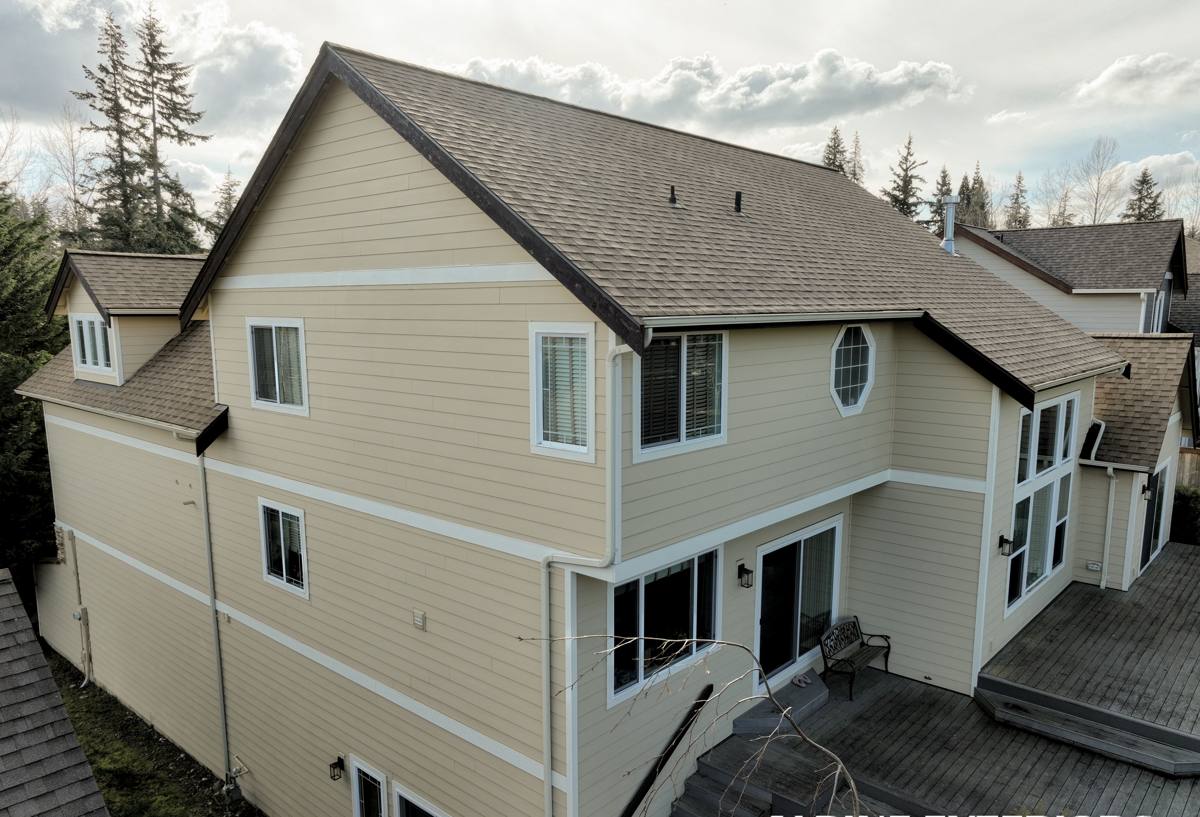
Many Laurel Park homes have real architectural character — proportions, trim details, and rooflines from an earlier era of homebuilding — and a deck that looks like it came from a generic catalog can look out of place next to that. Railing style, decking board width, and even fastener visibility are worth matching to the house's existing character rather than defaulting to whatever's fastest to install. That's a design conversation, not just a materials one.
Choosing the Right Decking Material for a Shaded, Coastal Lot
Material choice matters more in a neighborhood like Laurel Park than on a fully open, inland lot, because a deck here often deals with shade-driven moisture and moss in one section and sun-driven UV fade in another, on top of a steady low level of salt exposure. The three categories homeowners typically weigh are pressure-treated or cedar wood, capped composite, and cellular PVC.
Wood
Pressure-treated lumber and cedar look good going in and can work well here, but both need consistent sealing or staining to hold up against the shaded, moisture-retentive sections of a canopy lot, and both show mold and mildew faster than capped composite or PVC once maintenance lapses. In full sun, wood also grays and checks faster under this region's UV load than most homeowners expect.
Capped Composite
Capped composite boards use a plastic shell over a wood-fiber composite core, which resists moisture absorption and staining far better than uncapped composite or wood — a real advantage in the shaded parts of a Laurel Park lot. Quality varies by product line, so we're specific with homeowners about which lines actually hold up to sustained shade-driven moisture versus which just claim to.
Cellular PVC
PVC decking has no wood fiber to absorb moisture at all, which makes it the strongest option for a deck section that sits under heavy shade or close to grade where moisture lingers longest. It costs more than composite and can flex more under concentrated point loads, but for the shadiest corner of a Laurel Park yard, some homeowners decide the added moisture resistance is worth it.
| Material | Shade & Moss Resistance | Sun/UV Handling | Salt Air Hardware Needs |
|---|---|---|---|
| Cellular PVC | Excellent — no wood fiber to absorb moisture | Strong, minimal fading on most lines | Stainless or coastal-rated fasteners |
| Capped composite | Good on quality lines, varies by product | Strong on most lines | Stainless or coastal-rated fasteners |
| Pressure-treated wood | Fair — needs regular sealing | Fair — grays and checks over time | Hot-dip galvanized or stainless, minimum |
| Cedar | Fair — needs regular sealing/staining | Fair to good with upkeep | Stainless recommended |
Structural and Permitting Considerations
Wind Load and Footings
Any deck built in Sarasota County needs to be engineered and permitted to the wind loads the region requires, and a shaded, tree-adjacent lot adds the footing consideration mentioned above — placing and sizing footings correctly around root zones without compromising either the tree or the structure. Railing connections and post-to-footing hardware matter as much as the visible decking when a real storm comes through.
Ledger Flashing and Drainage
Where a deck attaches to the house, the ledger connection needs to be flashed correctly to keep wind-driven rain from working its way behind the siding or into the rim joist. This detail matters everywhere, but it matters more on a shaded lot where that area of the house may already stay damp longer between dry spells.
Historic Character and Neighborhood Review
Depending on the specific property and any applicable neighborhood guidelines, some Laurel Park projects involve an added layer of design review beyond a standard county building permit. We handle that as part of the process rather than treating it as a surprise partway through, and we'd rather flag it upfront with a homeowner than discover it after a design is already finalized.
Our Process for a Laurel Park Deck Project
- Site visit to walk the lot, note tree canopy, root zones, sun exposure, and how the deck should relate to the existing house
- Design conversation covering layout, railing style, and decking material matched to both site conditions and the home's character
- Structural engineering and permitting through Sarasota County, including any additional neighborhood review the property requires
- Framing and construction, with fastener grade and flashing details specified for this climate rather than a generic spec sheet
- Final walkthrough covering maintenance expectations specific to a shaded, coastal, in-town lot
Living With a Deck Under Tree Cover
A well-built deck in Laurel Park still needs some regular attention, more because of the tree canopy and coastal humidity than because of any flaw in the build itself. A few habits go a long way:
- Clear leaves, acorns, and debris from board gaps regularly, especially in fall and after storms, so moisture doesn't sit trapped against the surface
- Rinse the deck periodically to clear pollen, mildew spores, and salt residue before they work into the surface
- Check railing posts and visible hardware once or twice a year for early corrosion, particularly heading into hurricane season
- Keep an eye on shaded sections for early moss or algae growth and address it before it spreads or gets slick underfoot
- Have any soft framing, movement, or standing water underneath looked at right away — those are structural signs, not cosmetic ones
Why It Matters That We Already Work Laurel Park
A crew that mostly builds decks on open, newer lots can still do solid work, but a Laurel Park project has variables that come up more often here than elsewhere in Sarasota County — root-zone footing placement around mature oaks, a design conversation about matching an older home's character, and a moisture profile that mixes heavy shade with the region's coastal humidity and hurricane-season wind. Working this neighborhood regularly means we're not guessing at those details or working them out on your project. We know which decking lines actually hold up under sustained shade, what fastener grade earns its cost here, and how to place a footing without compromising a tree the homeowner wants kept.
That familiarity also shows up in a more accurate first estimate and fewer surprises once work is underway, because the site visit accounts for how this particular kind of lot actually behaves rather than applying a generic checklist meant for open ground.
Get a Straight Answer About Your Deck
Whether you're planning a new deck, replacing one that's struggled with shade and moisture, or just want an honest read on what a custom build would take on your Laurel Park property, we're glad to walk the site and talk through the options plainly. Reach out below for a free, no-pressure estimate.