 Sarasota Window
 Building Decks for Southside Village's Older Florida Homes
Southside Village sits close to the water and close to downtown, which means its homes catch a lot of what Sarasota's climate has to offer: salt-laden air off the bay, intense sun nearly every day of the year, and the kind of wind-driven rain that comes with a Gulf Coast thunderstorm season. Many of the homes in this part of Sarasota are older bungalows and cottages that have been renovated over the years, often with additions and outdoor living spaces bolted onto original framing that was never designed for today's deck loads. A custom deck here has to do two jobs at once: hold up structurally under Florida's weather, and tie in cleanly with a house that may have some age and quirks to it.
We build decks specifically for this kind of neighborhood — walking distance to the water, mature tree canopy, older housing stock, and homeowners who want an outdoor space that actually gets used year-round, not just in the cooler months.
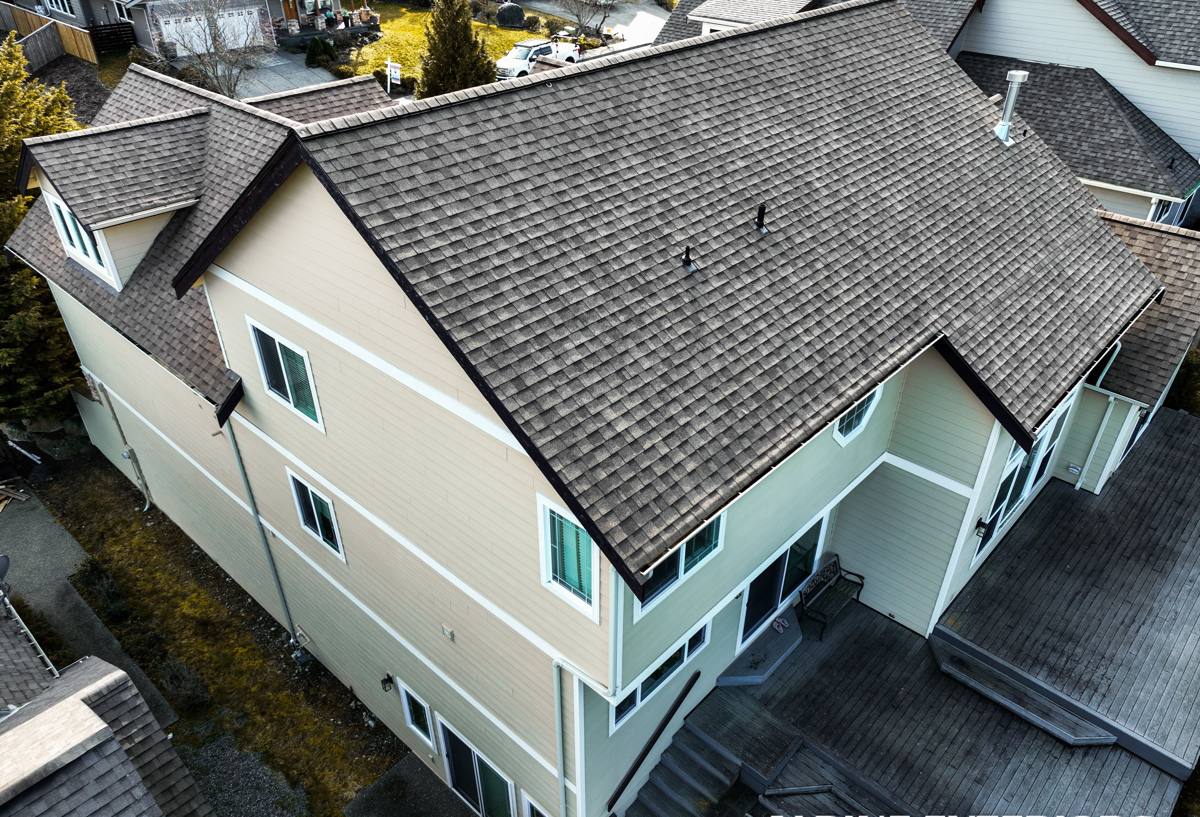
What Sarasota's Climate Demands From a Deck
Hurricane-Force Wind
A deck isn't just a platform — it's a structure that has to resist uplift and lateral loads in a storm. That means proper ledger attachment to the house framing (not just lag bolts into siding), hurricane clips or straps at key connections, and post-to-footing hardware rated for wind exposure. In a hurricane-prone county like Sarasota, this isn't optional extra credit — it's what keeps a deck attached to the house instead of becoming debris.
Year-Round UV Exposure
Florida sun is harder on materials than most other parts of the country. Untreated or poorly finished wood grays, cracks, and splinters faster here than it would up north. Composite decking without UV-stabilized capping fades and chalks. We select and install materials with UV performance in mind, not just how they look on day one.
Wind-Driven Rain and Standing Water
Sarasota's afternoon storms don't fall straight down — wind pushes rain sideways and up under rail caps, around post bases, and into any gap that isn't sealed or sloped correctly. Decks near Southside Village also tend to sit on lots with limited natural drainage, so water has to be directed away from the house and away from post footings, not just off the deck surface.
Salt Air
Being close to the bay means airborne salt accelerates corrosion on fasteners, hardware, and any metal railing components. Standard hardware-store fasteners corrode faster in this environment and can stain decking or fail years before they should.
Decking Material Comparison for This Area
| Material | How it handles Sarasota's climate | Maintenance | Typical lifespan here |
|---|---|---|---|
| Pressure-treated pine | Affordable, but prone to cupping, splintering, and graying under constant UV and humidity | Annual sealing/staining recommended | 10-15 years with upkeep |
| Tropical hardwood (ipe, cumaru) | Naturally dense and rot-resistant, handles humidity well, but still needs UV protection to hold color | Periodic oiling to maintain color; can be left to gray naturally | 25+ years |
| Capped composite | UV-stabilized cap resists fading and doesn't splinter or absorb salt spray staining | Occasional washing, no sealing/staining | 25-30 years |
| PVC decking | Fully synthetic, doesn't rot or absorb moisture, performs well right on the water | Low — periodic cleaning | 30+ years |
We don't push one product on every job. A shaded lot under tree canopy behaves differently than an open, sun-blasted yard, and the right material depends on your budget, how close you are to the water, and how much upkeep you actually want to do. What we won't do is install a material in a way that ignores how it actually performs in this climate — for example, capping fasteners or finishes that trap moisture against wood, which shortens the life of an otherwise good deck.
What a Correctly Built Deck Involves
Ledger Attachment and Framing
Where the deck meets the house is the single most important structural connection on the whole project. It has to be through-bolted or lagged into solid framing, flashed to keep water from getting behind it, and sized to the actual loads the deck will carry — not guessed at.
Footings
Florida's water table and sandy soils mean footing depth and design matter more here than they might elsewhere. We size and place footings to local soil conditions and Florida Building Code requirements, not a one-size-fits-all number.
Fasteners and Hardware
Given the salt air near the bay, we use stainless steel or coated fasteners rated for coastal exposure, along with hurricane ties and post connectors rated for wind uplift — not standard interior-grade hardware that will corrode within a few seasons.
Railing and Guard Systems
Railings have code-required height and baluster spacing, and in a coastal environment the hardware holding them matters as much as how they look. Loose or corroded rail posts are one of the most common deck failures we see on older homes in this area.
Drainage and Ventilation Under the Deck
Especially on lower decks close to grade, airflow underneath prevents moisture from sitting against joists and ledger framing. We grade and, where needed, add underdeck drainage systems so water moves away from the house instead of pooling.
Permitting in Sarasota County and the City of Sarasota
Southside Village falls under the City of Sarasota's building and zoning review, which means permits, inspections, and in many cases wind load engineering documentation are required before a deck goes up — this isn't a handshake, weekend-project kind of build in this jurisdiction. Older homes in established neighborhoods can also carry setback rules or lot coverage limits that affect how large a deck can be or where it can sit relative to property lines. Because we already pull permits and schedule inspections in this area regularly, we know what the reviewers want to see the first time, which keeps the project from stalling out waiting on resubmittals.
What Permitting Typically Involves
- Site plan showing the deck's footprint relative to property lines and the existing structure
- Structural details for framing, footings, and connections, sized for local wind load requirements
- Permit review and approval before construction begins
- Inspections at key stages (footings, framing) before the deck is closed in or finished
- Final inspection and permit closeout
Our Process, Start to Finish
- On-site walkthrough — we look at your home's existing framing, the yard's drainage and sun exposure, and talk through how you actually plan to use the space.
- Design and material selection — sizing the deck to your lot and budget, choosing decking, railing, and hardware suited to a coastal, high-UV environment.
- Permit drawings and submittal — preparing what the City of Sarasota requires, including structural and wind-load details, and handling the submittal ourselves.
- Construction — footings and framing first, inspected before anything is closed in, then decking, railing, and finish work.
- Final inspection and walkthrough — permit closeout, and a walk of the finished deck with you before we consider the job done.
Why It Matters That We Already Work This Neighborhood
A crew that's unfamiliar with Southside Village is starting from zero on things that affect your timeline and your build quality: how the City of Sarasota's permitting office likes drawings submitted, what soil and drainage conditions are common on these lots, and what kind of framing quirks tend to show up in this era of home. We've built and repaired decks on homes like these enough to know where the common trouble spots are before we start cutting lumber — things like a ledger board that needs sistered framing behind it, or a yard that needs regrading before footings go in.
That familiarity also shows up in smaller ways: knowing which material choices actually hold up a few blocks from the water versus a few miles inland, and being upfront when a homeowner's first material choice isn't going to perform well in this specific spot.
Maintaining Your Deck in a Coastal Climate
- Rinse salt residue and debris off the deck surface periodically, especially after storms
- Inspect railing posts and hardware annually for corrosion or loosening
- Check ledger board flashing and the house connection point for signs of water intrusion
- Keep gutters and downspouts near the deck clear so runoff isn't dumping onto footings
- Reseal or oil wood decking on the schedule appropriate to the species — don't wait until it's already graying and cracking
- Clear debris from under the deck to maintain airflow and prevent moisture buildup
Cost Factors to Expect
| Factor | Why it affects price |
|---|---|
| Deck size and shape | More square footage and complex shapes (multiple levels, angles) increase material and labor |
| Material choice | Composite and PVC cost more upfront than treated pine but require far less long-term maintenance |
| Height above grade | Taller decks need more substantial footings, framing, and often stairs and additional railing |
| Site access and existing conditions | Tight side-yard access, mature landscaping, or an aging structure needing reinforcement can add labor |
| Permitting and engineering | Structural and wind-load documentation required by the City of Sarasota adds a fixed cost regardless of deck size |
If you're weighing a custom deck for your Southside Village home, we're glad to walk the property, talk through what your house's framing and site conditions call for, and put together a straightforward estimate — no pressure, no upsell script. Use the form below to get started.