 Sarasota Window
 Why Windows Take Extra Punishment in Gulf Gate Estates
Gulf Gate Estates sits inland from the beaches, but it's still squarely inside Sarasota County's coastal climate. That means the same forces that wear down oceanfront homes reach this neighborhood too, just on a slightly slower timeline. Hurricane-force winds and wind-driven rain during storm season push water and pressure straight at every window opening. Between storms, the year-round Florida sun bakes frames, seals, and glazing with UV exposure most window products were never designed to handle for decades on end. Add in salt-laden air that drifts inland on Gulf breezes, and you've got a slow, steady corrosion process working on aluminum frames, fasteners, and hardware even on houses that have never taken direct storm damage. None of this is unique to any one street in Gulf Gate Estates — it's the baseline climate load every window in this part of Sarasota has to carry, every day, not just during a named storm.
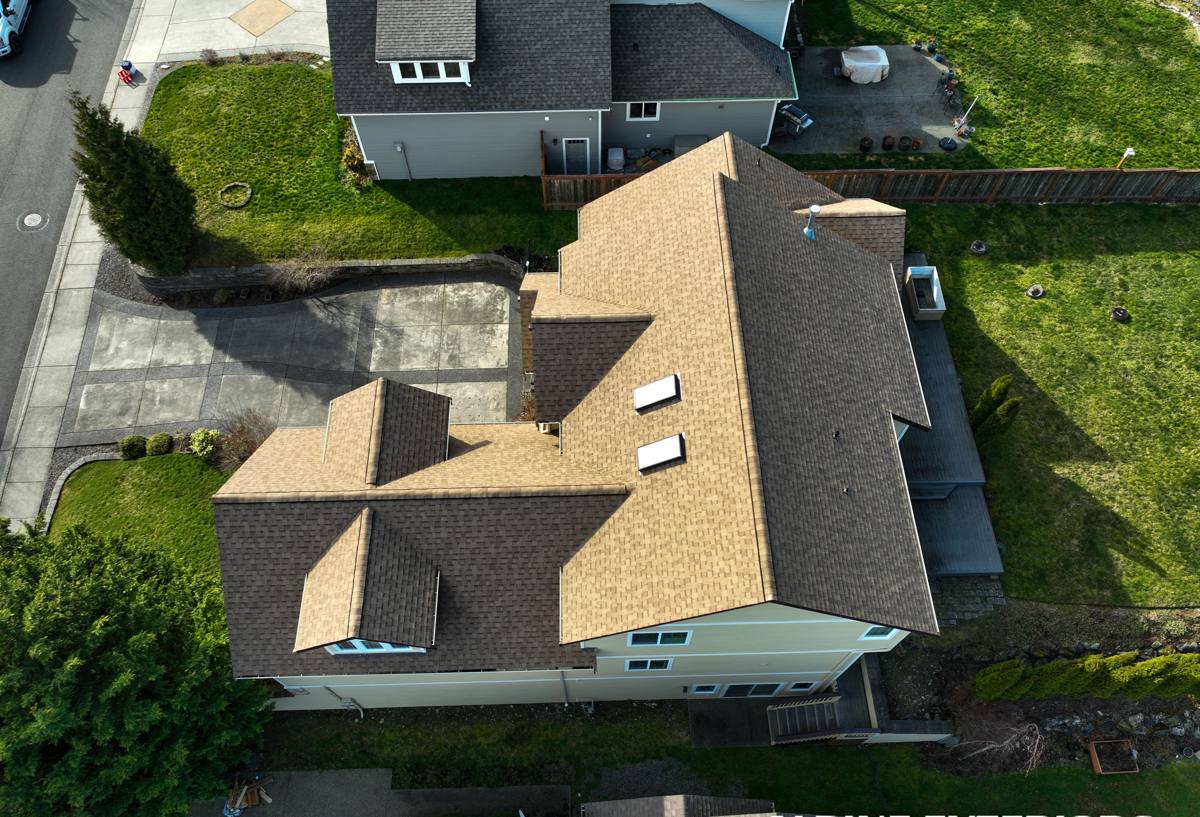
What We Typically Find in Gulf Gate Estates Homes
Gulf Gate Estates is one of Sarasota's established residential neighborhoods, and like most communities built up over the mid-to-late 20th century, the housing stock is a mix. Some homes still carry their original single-pane aluminum windows. Others have been through one or two rounds of replacement over the decades, often with builder-grade aluminum or early-generation vinyl units that met the code of their era but not today's wind and impact standards. Neither situation is a problem you have to live with — but it does mean an honest assessment before any installation matters more here than in a newer subdivision where every window is the same age and spec.
Signs Your Current Windows Are Falling Behind
- Visible pitting, chalky residue, or corrosion on aluminum frames — a classic salt-air symptom
- Fogging or a hazy film between panes on any double-pane unit (a failed seal, not a cleaning issue)
- Frames that feel warm to the touch on a hot day, or noticeably raise your cooling bill
- Difficulty opening, closing, or locking — often swelling, warping, or worn hardware
- Water intrusion or staining below the sill after wind-driven rain
- Whistling or drafts during windy conditions, even with the window latched
What a Correct Custom Window Installation Actually Involves
"Custom windows" doesn't just mean a nicer-looking frame. It means the window is specified, built, and installed to match the actual wind and water conditions at your address — not a generic, one-size-fits-all unit pulled off a shelf. That distinction matters more in a coastal county than almost anywhere else, because the difference between a correct installation and a sloppy one usually doesn't show up until the next serious storm.
Matching the Window to the Wind Load
Every window has a Design Pressure, or DP, rating — a measure of how much wind and structural load it can take before failing. The right DP rating for your home depends on your specific wind exposure, the height and shape of the house, and where the opening sits on the wall. A correctly specified custom window is chosen to meet or exceed that number, not just to fit the rough opening.
Flashing and Sealing Against Wind-Driven Rain
Most water intrusion problems we're called out to fix aren't glass failures — they're flashing and sealant failures. A correct installation ties the window's flanges into the wall's water-resistive barrier in the right order, uses sealant rated for exterior exposure and compatible with the wall finish (stucco is common throughout this part of Sarasota County), and leaves no shortcuts at the corners or sill, which is where wind-driven rain finds its way in first.
Fastening for the Actual Substrate
Frame material, fastener type, spacing, and embedment depth all have to match both the window manufacturer's tested installation instructions and what's actually behind your wall — block, wood framing, or a mix from a prior renovation. Guessing here is exactly how a window that tested fine in a lab fails in the field.
Impact-Rated Windows vs. Non-Impact Windows Plus Shutters
Homeowners in Gulf Gate Estates generally have two legitimate ways to meet Florida's wind-borne debris protection requirements: impact-rated windows, or standard windows paired with code-approved shutters. Both are valid approaches. The right one depends on your budget, how the home is used, and how much day-to-day convenience matters to you.
| Factor | Impact-Rated Windows | Non-Impact + Shutters |
|---|---|---|
| Storm prep effort | None — protection is built in | Shutters must be deployed before every storm |
| Upfront cost | Higher per opening | Lower window cost, but shutters add their own expense |
| Daily UV and noise reduction | Laminated glass helps year-round, not just in storms | No everyday benefit — shutters only work when deployed |
| Curb appeal | No visible hardware or panels | Shutters and their tracks are visible on the exterior |
| Maintenance | Standard window upkeep | Shutters need their own periodic maintenance and hardware checks |
Neither option is wrong. What matters is that whichever you choose is properly rated, properly installed, and actually appropriate for the openings on your specific home — not just whatever was cheapest to stock.
Frame and Glass Options Worth Understanding
Frame material affects how a window holds up to salt air and sun over the long run, and it's worth understanding the trade-offs rather than picking on appearance alone.
| Frame Material | How It Holds Up Locally | Maintenance |
|---|---|---|
| Vinyl | Doesn't corrode from salt air; can discolor or become brittle under sustained UV over many years | Low — occasional cleaning |
| Aluminum | Strong and slim profile, but prone to pitting and corrosion near the coast without a quality finish | Moderate — finish and hardware need periodic attention |
| Fiberglass | Very stable through heat cycling and resistant to corrosion; higher upfront cost | Low |
On the glass side, Low-E coatings cut down on the heat gain that comes with year-round Florida sun, which shows up directly on cooling bills. Laminated glass — the type used in impact-rated units — also blocks a meaningful amount of UV and outside noise even outside of storm season, which is a quieter benefit homeowners often notice more than the storm protection itself.
Permits, Wind Zones, and Sarasota County Requirements
Window replacement in Sarasota County isn't a project you do without a permit, and it shouldn't be — the permit and inspection process exists to confirm the products installed are actually approved for Florida's wind conditions and that the installation matches how they were tested. Florida's wind-borne debris region requirements apply throughout this part of the state, which is why impact-rated glazing or approved shutter protection is required on most openings, with the specific wind speed and exposure requirements varying by location and the height and shape of the house. Legitimate window products carry a Florida product approval or Notice of Acceptance number specific to that unit — that number is what a permit reviewer and inspector will check against, so it should be documented in your contract, not just claimed verbally.
Our Process, Start to Finish
- On-site assessment — we look at every opening individually, not just the house as a whole, since age and condition often vary window to window
- Product selection — matched to the required DP rating, your budget, and how each opening is exposed to wind and sun
- Written proposal — clear scope, product specifications, and pricing before any work begins
- Permitting — pulled and handled with Sarasota County before removal starts
- Careful removal and opening prep — checking the substrate behind the old window for hidden water damage before the new unit ever goes in
- Installation — set, flashed, and sealed to the manufacturer's tested instructions
- Inspection — scheduled and passed through the county before the job is considered closed
- Final walkthrough — operation, locks, and finish checked with you before we leave
Before You Sign a Window Contract
Whoever you hire, these are worth confirming in writing before work starts:
- Current Florida contractor license and liability insurance
- A permit will be pulled in the contractor's name, not left to you
- The specific products quoted have a Florida product approval or Notice of Acceptance number for your wind zone
- The DP rating quoted actually matches what your home's exposure requires
- Warranty terms — on both the product and the labor — spelled out in the contract, not just mentioned
- A clear payment schedule with nothing close to full payment due upfront
Why a Crew That Already Works Gulf Gate Estates Matters
A neighborhood like Gulf Gate Estates has its own mix of home vintages, wall finishes, and prior renovation history, and a crew that already works here regularly has seen most of what's behind the stucco before they ever open a wall. That familiarity shows up in fewer surprises mid-project, a permitting process that moves without back-and-forth because the paperwork is done right the first time, and product recommendations grounded in what actually holds up on homes like yours rather than a generic pitch. It's a meaningful difference between a company installing windows in Sarasota as one stop on a route and one that treats this neighborhood as known ground.
If you're weighing your options for windows in Gulf Gate Estates — whether it's one problem window or a full-house replacement — we're glad to take a look and give you a straightforward, no-pressure estimate using the form below.