 Sarasota Window
 Building a Deck That Actually Holds Up in Palmer Ranch
Palmer Ranch is one of the more desirable places to add outdoor living space in Sarasota County, and for good reason — the lot sizes, mature landscaping, and lanai-and-pool layouts common throughout the community make a well-built deck a natural extension of the home. But a deck that would last decades in a drier, milder climate can fail in a fraction of that time here if it's built without accounting for what South Florida weather actually does to wood, fasteners, and framing. Hurricane-force wind events, wind-driven rain, near-constant UV exposure, and salt-laden air off the Gulf all work against outdoor structures year-round, not just during storm season.
This page focuses specifically on deck building for Palmer Ranch homeowners — what the local climate demands, what a correctly built deck involves structurally and materially, how our process works from first visit to final walkthrough, and why hiring a crew that already understands this specific area's conditions and permitting environment matters more than it might seem.
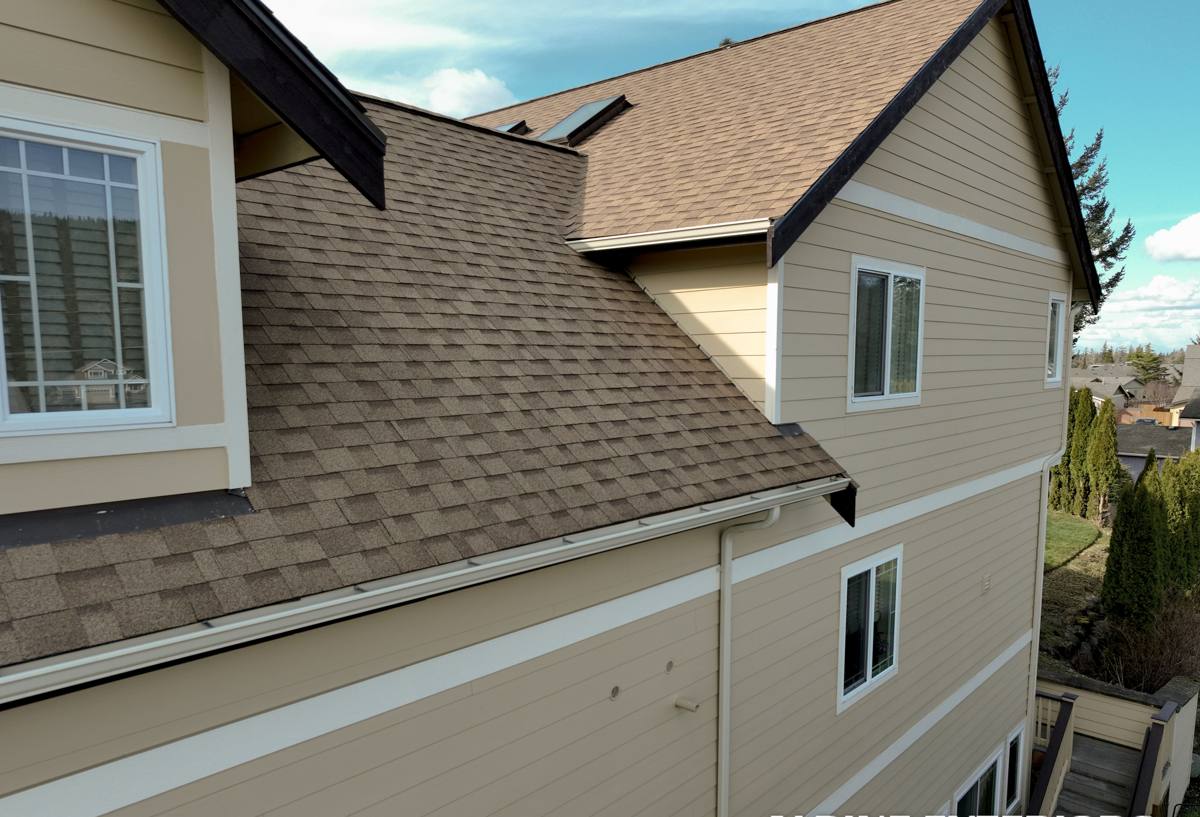
What Sarasota's Climate Does to an Outdoor Deck
Every deck in Palmer Ranch is fighting the same four things, whether the homeowner realizes it or not:
Intense, Year-Round UV
Sarasota gets strong sun exposure nearly every month of the year, not just in summer. UV breaks down the lignin in wood fibers, causing graying and surface checking, and it degrades the resins and pigments in composite and PVC decking over time. Materials that aren't rated for this level of sun exposure fade, chalk, or become brittle faster than their marketed lifespan would suggest.
Wind-Driven Rain
Rain in this region rarely falls straight down. Storms push moisture sideways and underneath structures, which means end grain, fastener penetrations, ledger connections, and any gap where water can collect are constantly at risk — even on a deck that looks fine from the top.
Hurricane-Force Wind Loads
Sarasota County sits in a wind zone where the Florida Building Code requires specific engineering for outdoor structures — post spacing, footing depth, and connector hardware are not optional upgrades, they're baseline requirements. A deck built to a generic national standard, without accounting for local wind speed requirements, is a liability during the next named storm.
Salt Air
Palmer Ranch isn't directly on the coast, but it's close enough that salt-laden air carried inland corrodes standard fasteners, hinges, and connector plates faster than it would further inland. Once corrosion starts at a structural connection point, it's often hidden until it's already compromised the joint.
Decking Material Options for Palmer Ranch Homes
There's no single "best" decking material — the right choice depends on budget, how much upkeep the homeowner wants to do, and how the space will be used. Here's how the common options actually compare under this climate's conditions:
| Material | UV Behavior | Moisture/Salt Air Behavior | Maintenance |
|---|---|---|---|
| Pressure-treated wood | Grays and checks without regular sealing | Needs sealed end cuts and fastener corrosion resistance | Sealing every 1-2 years |
| Composite decking | Fade-resistant in quality lines, capped boards hold color best | Doesn't rot, but uncapped edges can absorb moisture over time | Periodic cleaning, no sealing |
| PVC/cellular PVC | Strong UV and fade resistance | Fully moisture-resistant, unaffected by salt air | Low — occasional cleaning |
| Aluminum decking | Excellent, coatings hold up well | Naturally corrosion-resistant with proper coating | Very low |
Our standard is to steer homeowners away from lower-grade pressure-treated boards for anything but budget-driven projects, not because the material is bad, but because it demands consistent maintenance to perform in this climate — sealing schedules that most homeowners underestimate when they're comparing sticker prices. Composite and PVC products carry a higher upfront cost but a much lower lifetime maintenance burden, which matters more here than in drier climates.
Structural Requirements That Aren't Optional
A deck is only as good as what's underneath it. In Palmer Ranch, and Sarasota County generally, that means:
- Footings sized and set to Florida Building Code depth for the local soil and wind zone — not a generic footprint pulled from a national framing guide.
- Ledger board attachment done with proper flashing and lag bolting into structural framing, never just into siding or stucco.
- Hurricane ties and structural connectors at every post-to-beam and beam-to-joist connection, rated for the applicable wind speed.
- Corrosion-resistant fasteners — stainless steel or coated hardware rated for coastal-influenced air, not standard galvanized fasteners that corrode faster here.
- Proper joist spacing and blocking for the decking material chosen, since composite and PVC boards often require tighter spacing than solid wood.
Skipping any one of these doesn't usually show up as a problem in year one. It shows up three, five, or ten years later — as a soft spot near the ledger, a wobbling post, or worse, a structural failure during a wind event. That's the core reason a properly engineered deck costs more upfront than a quick weekend build, and why it's worth the difference.
What Drives Cost on a Palmer Ranch Deck
| Factor | Why It Matters Here |
|---|---|
| Decking material | Wood costs less upfront; composite/PVC cost more but reduce long-term maintenance in high-UV, salt-air conditions |
| Height and footing depth | Multi-level decks and elevated designs require deeper footings and more engineering to meet wind load requirements |
| Railing and connector hardware | Corrosion-resistant hardware costs more but is essential this close to the Gulf |
| Permitting and engineering | Sarasota County permitting for decks above a certain size or height requires engineered drawings |
| Site access and existing structures | Tying into an existing lanai, pool deck, or sloped lot adds design complexity |
Permitting and HOA Considerations in Palmer Ranch
Most Palmer Ranch neighborhoods are part of a master-planned community with deed restrictions and an architectural review process, and many also fall under a separate community development district. That generally means any new deck needs sign-off on design, materials, and sometimes color before it ever gets to the county permitting stage. On top of that, Sarasota County requires a building permit for most deck construction, with plan review tied to Florida Building Code wind and structural requirements.
We don't guess at what a given HOA will or won't approve — every community's architectural guidelines are different, and they can change. Part of doing this job right in Palmer Ranch is building the submittal package correctly the first time, so the project isn't stalled waiting on a resubmission. Homeowners should expect this step to add some lead time to the schedule; it's normal and it's worth doing properly rather than rushing past it.
Our Deck Building Process
- On-site assessment. We walk the property, look at grade, drainage, existing structures the deck will tie into, and sun/wind exposure for the specific spot.
- Design and material selection. We go over material trade-offs honestly — what fits the budget, what fits the maintenance appetite, and what will actually perform given the sun and salt air exposure at that location.
- Permit and HOA submittal. We prepare the documentation needed for both the county permit and, where applicable, the community's architectural review process.
- Construction. Footings, framing, and connector hardware go in to code, followed by decking, railings, and any built-in features.
- Inspection and walkthrough. We cover required county inspections and walk the finished deck with the homeowner before calling the job done.
Living With a Deck in This Climate: Maintenance That Actually Matters
Every deck needs some upkeep — what changes by material is how much and how often. A short, honest checklist for Palmer Ranch homeowners:
- Rinse salt residue and debris off the deck surface periodically, especially after storms with onshore wind.
- Inspect fastener heads and connector hardware yearly for early signs of corrosion, particularly at ledger and post connections.
- Reseal wood decking on the schedule appropriate to the product — waiting too long lets UV damage set in before it's visible.
- Keep gutters and downspouts near the deck clear so runoff isn't concentrated onto framing or footings.
- Check railing connections for looseness after major wind events, before assuming everything is fine.
Why Local Experience in Palmer Ranch Matters
A deck built to a generic national spec sheet isn't automatically a deck built for Sarasota County. The wind load requirements, the salt air corrosion timeline, the HOA and architectural review process specific to Palmer Ranch communities, and the county's permitting expectations are all local variables that change how a deck should be designed and built. A crew that already works in this specific area has already been through that HOA process, already knows what the county inspector will look for, and already understands which materials hold up here versus which ones look good on paper but underperform in this climate. That local familiarity translates directly into fewer surprises, fewer delays, and a deck that's actually built for the conditions it will face.
If you're considering a new deck or need to evaluate whether an existing one is still structurally sound, we're glad to take a look and talk through honest options. Reach out for a free, no-pressure estimate using the form below.