 Sarasota Window
 Deck Building in The Meadows: A Different Set of Problems Than a Generic Backyard
The Meadows is one of the more heavily wooded, lake-and-golf-course communities in Sarasota, and that setting changes what a deck actually has to deal with day to day. Mature tree canopy means more shade in some yards and more standing organic debris (leaves, seed pods, oak tannins) on deck boards than you'd get on an open lot. Proximity to ponds and irrigated turf means more ambient humidity at ground level, which matters for anything built low to grade. And like the rest of Sarasota County, homes here still answer to the same wind, rain, and UV exposure that drives every exterior decision in this part of Florida. A deck built for The Meadows needs to handle shade-driven moisture retention and full Gulf Coast sun exposure, sometimes in the same yard.
None of this means a deck here needs to be exotic or overbuilt. It means the material choices, fastener selection, and drainage details have to be picked on purpose, not defaulted to whatever's cheapest at the yard.
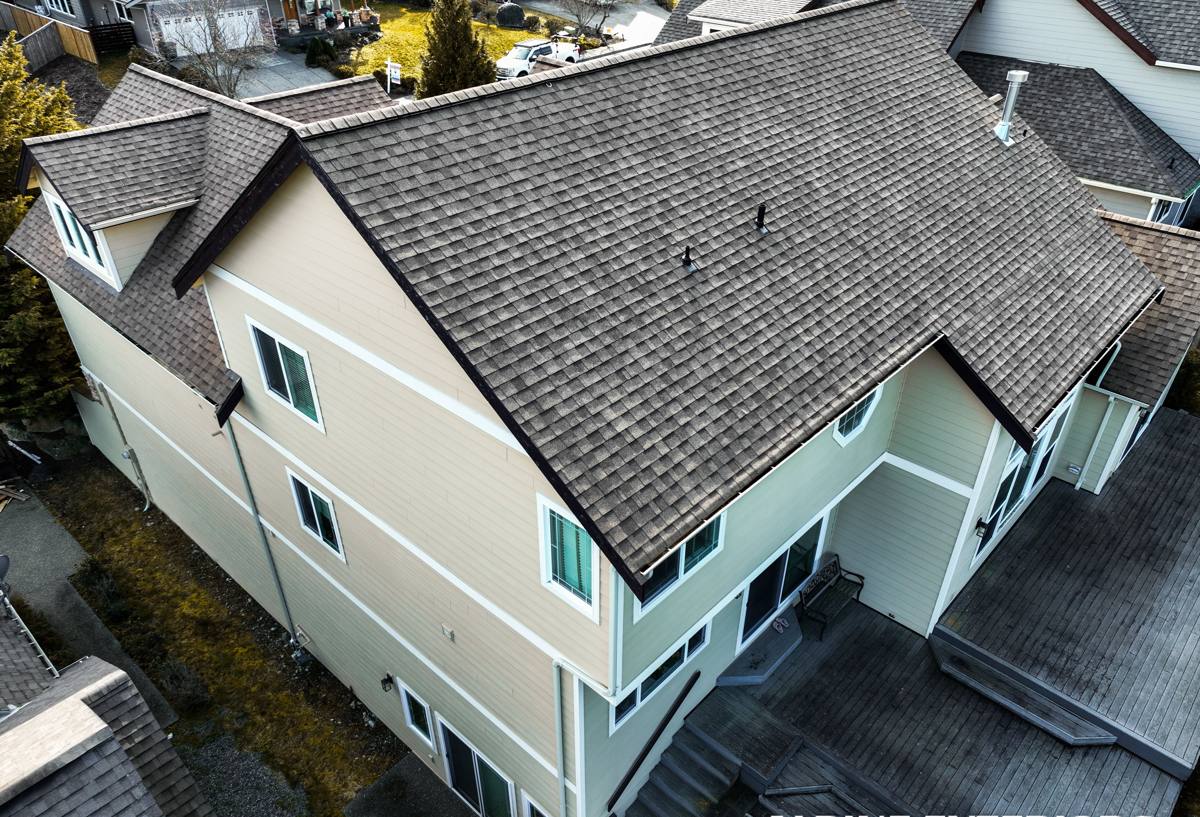
What Sarasota's Climate Actually Does to a Deck
Every deck in this region is fighting four things at once, and they compound each other rather than acting one at a time:
- Hurricane-force wind: uplift on ledger boards, joists, and railing posts during named storms and seasonal squalls.
- Intense, year-round UV: breaks down sealants, fades and chalks surface finishes, and dries out wood fiber faster than in northern climates.
- Wind-driven rain: pushes water sideways and up under boards and flashing, not just straight down, which defeats a lot of standard drainage details.
- Salt air: even set back from the coast, Sarasota County's air carries enough salt to accelerate corrosion on fasteners, brackets, and any exposed metal hardware.
A deck that ignores any one of these tends to show it within a few seasons — cupped boards, rust streaks bleeding from screw heads, a railing post that's gone soft at the base, or a ledger connection that's started to work loose. None of that is inevitable. It's a function of what went into the deck the day it was built.
Why Shade From Mature Trees Isn't Automatically a Good Thing
Shade cuts UV damage but slows drying. In neighborhoods like The Meadows with real tree cover, decks stay damp longer after rain and collect more leaf litter and pollen, which holds moisture against the board surface. That combination is exactly what accelerates rot in untreated or poorly sealed wood and encourages mildew growth on any decking material with a textured or grooved surface. The fix isn't avoiding shaded lots — it's choosing materials and gapping details that shed water and dry out fast even without direct sun.
Choosing the Right Decking Material for This Neighborhood
There's no single "best" decking material — there's a best fit for a given yard, budget, and maintenance appetite. Here's how the common options actually compare under Sarasota conditions:
| Material | UV / Fade Resistance | Moisture Behavior | Maintenance | Typical Lifespan |
|---|---|---|---|---|
| Pressure-treated pine | Fair — fades and grays without upkeep | Absorbs and releases moisture; prone to cupping if not sealed | Annual cleaning and resealing recommended | 10–15 years with upkeep |
| Tropical hardwoods (e.g., ipe-type) | Good — dense grain resists UV degradation | Naturally moisture-resistant, low absorption | Periodic oiling to maintain color; low structural maintenance | 25+ years |
| Capped composite | Very good — capped shell resists fading and staining | Sheds water well; doesn't absorb or rot | Occasional washing; no sealing or staining | 25–30 year warranties common |
| PVC decking | Very good | Fully moisture-immune, will not rot or swell | Lowest maintenance of the group | 25–30+ years |
We install all of the above. Our job is to walk a homeowner through the honest trade-offs — cost per square foot, how the surface handles direct afternoon sun versus a shaded lot near the tree line, and how much upkeep someone actually wants to commit to — rather than push one product because it's easier to install.
A Note on Wood-Look Composite in Shaded Yards
In heavily treed sections of The Meadows, we lean toward capped composite or PVC more often than natural wood, simply because those materials don't care how long they stay damp under leaf cover. That's a maintenance-burden decision, not a claim that wood decking is unfit for use — plenty of homeowners still want the real material and are willing to stay on top of sealing it. We'll install what you choose; we just want you choosing it with the shade and moisture pattern of your specific yard in mind.
What's Under the Boards Matters More Than the Boards Themselves
The decking surface is the part everyone sees, but the framing underneath is what actually determines whether the deck survives a storm season intact. A correct build starts below the visible layer:
Ledger Attachment
The ledger board — where the deck ties into the house — is the single most common failure point on older or poorly built decks. It has to be properly flashed to keep wind-driven rain from working behind the siding, and it has to be through-bolted (not just lag-screwed) into solid framing, sized for the wind and load requirements of the structure.
Joists, Posts, and Footings
Post footings need to be sized and set to local frost-free and load-bearing standards, which in this part of Florida is really about bearing capacity in sandy or fill soil rather than frost depth. Joists need hardware-rated hangers, not just nailed connections, and every structural connection benefits from corrosion-resistant fasteners given the salt content in the air here.
Drainage and Ventilation Under the Deck
Low decks especially need airflow underneath to let framing dry out between rain events. Blocking that airflow with dense landscaping or solid skirting without vents is one of the more common mistakes we see on existing decks in shaded, lake-adjacent yards.
Permitting, Wind Load, and Sarasota County Requirements
Sarasota County requires a permit for new deck construction, and structural elements — footings, framing, railings, and stair connections — get inspected against wind load and life-safety requirements that reflect this region's storm exposure. This isn't paperwork for its own sake: it's the difference between a deck engineered to stay attached to the house in a wind event and one that just looks fine until it doesn't. We handle permitting and inspection scheduling as part of the build, and we won't cut a deck loose from that process to save time.
Railings, Fasteners, and Hardware That Actually Hold Up
Hardware is where a lot of decks quietly fail years before the decking surface does. In a salt-air environment, standard zinc-plated fasteners and brackets corrode faster than they would inland, and once a fastener starts rusting, it weakens the exact connection it's supposed to protect. We use stainless steel or coated fasteners rated for coastal exposure, and we spec hardware to match the decking and framing material rather than whatever's on the shelf. Railing posts get the same scrutiny — the connection at the base of a post is a structural load point, not a decorative detail, and it needs to be built to resist lateral force, not just look attached.
Our Process, Start to Finish
- On-site assessment: we walk the yard, check sun and shade exposure, drainage, and how the deck will tie into the existing structure.
- Material and layout conversation: honest trade-offs on decking material, railing style, and layout based on your yard and budget — no upsell script.
- Permit and engineering: we pull the Sarasota County permit and handle any required engineering sign-off for footings and structural connections.
- Framing build: ledger, footings, posts, and joists go in first, inspected before any decking is installed.
- Decking, railing, and finish work: surface material, railings, stairs, and any skirting or under-deck detailing.
- Final walkthrough and inspection: we go over the finished deck with you and close out county inspection.
Maintenance Checklist for a Deck in a Shaded, Lake-Adjacent Yard
- Clear leaf litter and debris from board gaps and around post bases regularly, especially after storms.
- Check fastener heads and hardware for early rust staining once a year.
- Keep gutters and downspouts near the deck clear so runoff isn't dumping extra water onto or under the structure.
- Inspect ledger flashing at the house connection for gaps or cracking in caulk.
- For wood decking, reseal on the manufacturer's recommended schedule — don't wait for visible graying.
- Trim back landscaping that blocks airflow under low decks.
Why Hiring a Crew That Already Works The Meadows Matters
A deck contractor who's worked this neighborhood before already knows the yard conditions — tree canopy, proximity to water features, HOA expectations on visible materials and railing styles — before the first site visit. That saves back-and-forth and reduces the chance of a design choice that looks fine on paper but fights the yard once it's built. It also means we're not guessing at how Sarasota County's permitting and inspection process runs; we've been through it enough times to keep a build on schedule instead of stalled on paperwork.
More broadly, exterior work in this region only holds up if it's built for the actual conditions — hurricane-force wind, relentless UV, wind-driven rain, and salt air — rather than a generic spec sheet. That's true of decks, and it's true of every exterior project we take on in Sarasota County.
If you're planning a new deck or replacing one that's showing its age, we're happy to come out, take a look at your yard, and put together a free, no-pressure estimate — no obligation, just a straight answer on what your yard actually needs.