 Sarasota Window
 Why Decks in Ellenton Wear Out Faster Than People Expect
Ellenton sits close enough to the Gulf that homeowners here deal with a tougher combination of stressors than most of the country ever sees on an outdoor structure. Salt-laden air corrodes fasteners and hardware from the inside out, long stretches of intense UV bake and dry out wood fibers and lower-grade composites, and wind-driven rain finds its way into every gap in flashing, ledger boards, and post connections. Add in the real possibility of hurricane-force gusts during storm season, and a deck built to a minimum standard — or built somewhere that never sees this kind of weather — starts failing years before it should.
None of this means a deck can't last in this climate. It means the framing, fasteners, and decking material all have to be chosen and installed with this specific environment in mind, not just "code minimum" or whatever was cheapest at the yard. A deck replacement done right for an Ellenton home should be able to shrug off a normal Gulf Coast summer and hold up through a real storm season without the owner worrying every time the wind picks up.
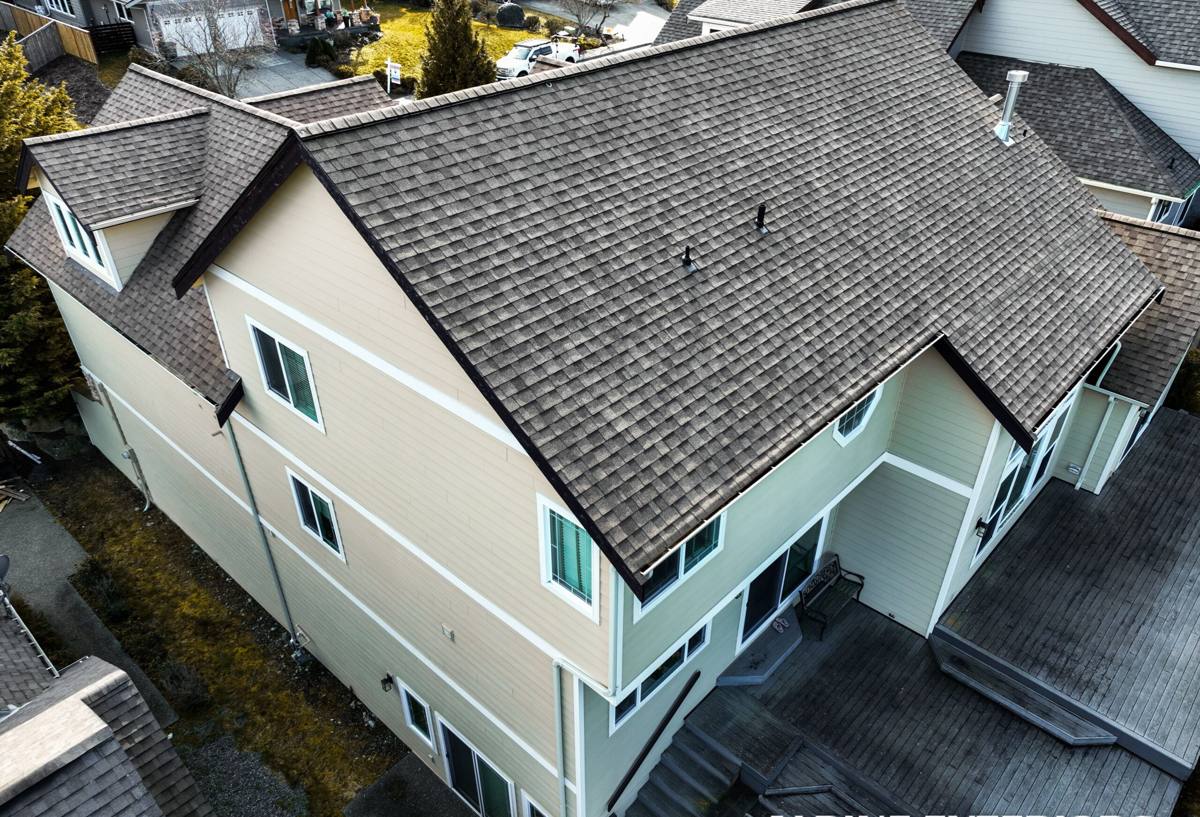
Signs an Ellenton Deck Needs Replacing, Not Just Patching
Homeowners often ask whether a deck can be repaired instead of replaced. Sometimes it can — but there are signs that point to a full rebuild being the safer and more cost-effective choice:
- Soft, spongy, or spalling spots in the decking boards, especially near the house or at board ends
- Rust streaking down from screws, bolts, or joist hangers — a sign the hardware itself is corroding, not just staining
- A ledger board (the piece attaching the deck to the house) that's soft, stained, or pulling away from the wall
- Visible sagging between joists, or a deck that feels "bouncy" underfoot
- Railings or posts that wobble more than a firm push should cause
- Multiple past repairs that only bought a year or two before the same problem came back
Surface graying or minor cracking on the top of a board doesn't automatically mean the whole structure is compromised. But once the framing, ledger, or connections are in question, patching individual boards is treating a symptom while the actual problem — moisture and corrosion working through the structure — keeps going.
What a Correct Deck Replacement Actually Involves
Structural framing and footings
The part of a deck nobody sees after the job is done is the part that matters most. Footings need to be sized and set to actual local frost-free, load-bearing standards, posts need proper anchoring, and joists need to be spaced and sized for the span and the decking material going on top of them. In coastal Florida conditions, we also pay close attention to keeping framing lumber ventilated and off standing water, since trapped moisture combined with heat is exactly what accelerates rot.
Fasteners, flashing, and hardware
This is where a lot of decks quietly fail in salt-air environments. Standard galvanized hardware can corrode within a few years this close to the coast. We use fasteners and structural connectors rated for coastal and high-corrosion exposure, and we flash the ledger board properly where the deck meets the house so wind-driven rain can't work its way behind the siding or into the rim joist.
Decking material and fastening pattern
Whatever surface material is chosen, the fastening pattern and gapping matter for both wind performance and drainage. Boards need consistent expansion gaps for Florida's heat swings and enough airflow underneath to dry out after a storm rather than sit wet.
Choosing a Decking Material for Ellenton's Climate
There's no single "best" decking material for every homeowner — it comes down to how much maintenance you want to do, your budget, and how long you want the deck to last before another major refresh. Here's an honest comparison for this specific climate:
| Material | How It Handles This Climate | Maintenance | Typical Lifespan Here |
|---|---|---|---|
| Pressure-treated wood | Affordable, but UV and humidity cycles cause graying, cracking, and splintering faster than in drier climates | Annual sealing/staining recommended | 10-15 years with upkeep |
| Tropical hardwood | Naturally dense and rot-resistant, handles moisture well, but still needs UV protection to hold its color | Periodic oiling to prevent graying and checking | 20-25+ years with upkeep |
| Capped composite | Strong UV and moisture resistance, resists salt-air staining better than uncapped composite | Occasional washing, no sealing/staining | 25-30 years |
| PVC decking | Fully synthetic, no wood fibers to absorb moisture, very stable in heat and humidity swings | Occasional washing | 25-30+ years |
We're honest with homeowners that lower-grade, uncapped composite products can actually underperform quality wood in this climate — some early-generation composites absorbed moisture and faded unevenly under intense coastal UV. That's a real trade-off worth knowing before you buy, not a reason to avoid composite decking altogether; the capped and PVC products available now are built specifically to resist that failure mode.
What a Fair Decking Choice Depends On
- How much hands-on maintenance you're realistically willing to do each year
- Whether the deck gets full sun most of the day or sits partly shaded
- Your budget for the initial build versus long-term upkeep costs
- Whether you want a wood look and feel, or prefer the low-maintenance route
- How close the deck is to salt spray, sprinklers, or standing water
Our Deck Replacement Process in Ellenton
1. On-site assessment
We start by inspecting the existing structure from the footings up — not just the visible decking surface. This tells us whether framing can be reused (rare on a deck old enough to need full replacement) or whether the rebuild needs to start from the ground up.
2. Design and material selection
We walk through material options, railing styles, and layout with the homeowner, being upfront about cost, maintenance, and lifespan trade-offs so the decision fits the budget and how the space will actually be used.
3. Permitting
Deck replacements typically require a permit, and coastal wind-load requirements affect how framing and connections are engineered. We handle the permitting process so the finished deck is inspected and documented correctly — which also matters for insurance and resale down the road.
4. Demolition and structural rebuild
The old deck comes out, footings and framing go in to current standards, and every connection point gets corrosion-resistant hardware and proper flashing before decking ever gets installed.
5. Decking, railing, and finish work
Decking is installed with correct gapping and fastening, railings are set and secured, and the site is cleaned up so the only thing left behind is a finished deck.
Why Hiring a Crew That Already Works in Ellenton Matters
A deck replacement is a structural project, not just a cosmetic one, and the details that matter most — footing depth, hardware corrosion resistance, ledger flashing, wind-rated connections — are exactly the details that get missed by crews unfamiliar with coastal Gulf Coast conditions. A contractor who regularly works decks, siding, and exteriors in the Ellenton and greater Sarasota area already knows how local building departments review these permits, what hardware actually holds up to salt air here versus inland installations, and how to size a structure for the wind exposure this part of Florida sees. That local familiarity translates into fewer surprises during permitting, fewer callbacks after the first storm season, and a deck built for the conditions it's actually going to face.
Keeping a New Deck in Good Shape
Whatever material you choose, a little routine attention goes a long way toward getting the full lifespan out of a replacement deck in this climate:
- Rinse off salt spray, pollen, and debris every few weeks, more often if the deck faces the water or gets direct sea breeze
- Check railing posts and stair connections twice a year for looseness
- Keep gutters and downspouts clear so runoff doesn't pool near footings
- Reseal or oil wood decking on the schedule your material calls for — don't wait until it's already graying badly
- Trim back vegetation that traps moisture against the deck surface or framing
- After any major storm, do a quick visual check of fasteners, railings, and the ledger connection
Cost Factors to Expect
Every deck is different, so exact pricing depends on size, material, and site conditions, but these are the main factors that move the number up or down:
| Factor | Why It Affects Cost |
|---|---|
| Deck size and shape | Larger footprints and multi-level or angled designs need more material and labor |
| Decking material | Wood typically costs less upfront; composite and PVC cost more initially but less over time |
| Structural condition | Reusable footings versus a full ground-up rebuild significantly changes labor and material needs |
| Height and access | Elevated decks or decks with difficult site access require more framing and staging |
| Railings and stairs | Style, material, and code-required railing height/spacing add to both material and labor |
| Permitting requirements | Coastal wind-load engineering and inspections are part of doing the job correctly |
We'll always give a straight answer on where a project falls and why, rather than a vague number that changes once work starts.
Ready for an Honest Look at Your Deck?
If your deck in Ellenton is showing its age, feeling soft or unstable, or you're just planning ahead before the next storm season, we're glad to come take a look. There's no pressure and no obligation — just a straight assessment of what your deck needs and what a proper replacement would involve. Use the form below to request your free estimate.