 Sarasota Window
 Asphalt Shingle Roofing Built for Downtown Sarasota
Downtown Sarasota sits close enough to the bay and the Gulf that every roof in the neighborhood is doing more work than a roof in an inland town. Between the hurricane season winds, the near-constant UV exposure, wind-driven rain that finds every weak seam, and the slow corrosive effect of salt air, an asphalt shingle roof here ages differently than one thirty miles inland. We install and repair asphalt shingle roofing specifically with those conditions in mind, not a generic specification pulled from a manufacturer's national brochure.
This page covers what we actually do when we put a shingle roof on a Downtown Sarasota home: the materials we choose, the install details that matter most in this climate, how our process runs from first call to final walk-through, and what to look for when you're hiring anyone to work on your roof in Sarasota County.
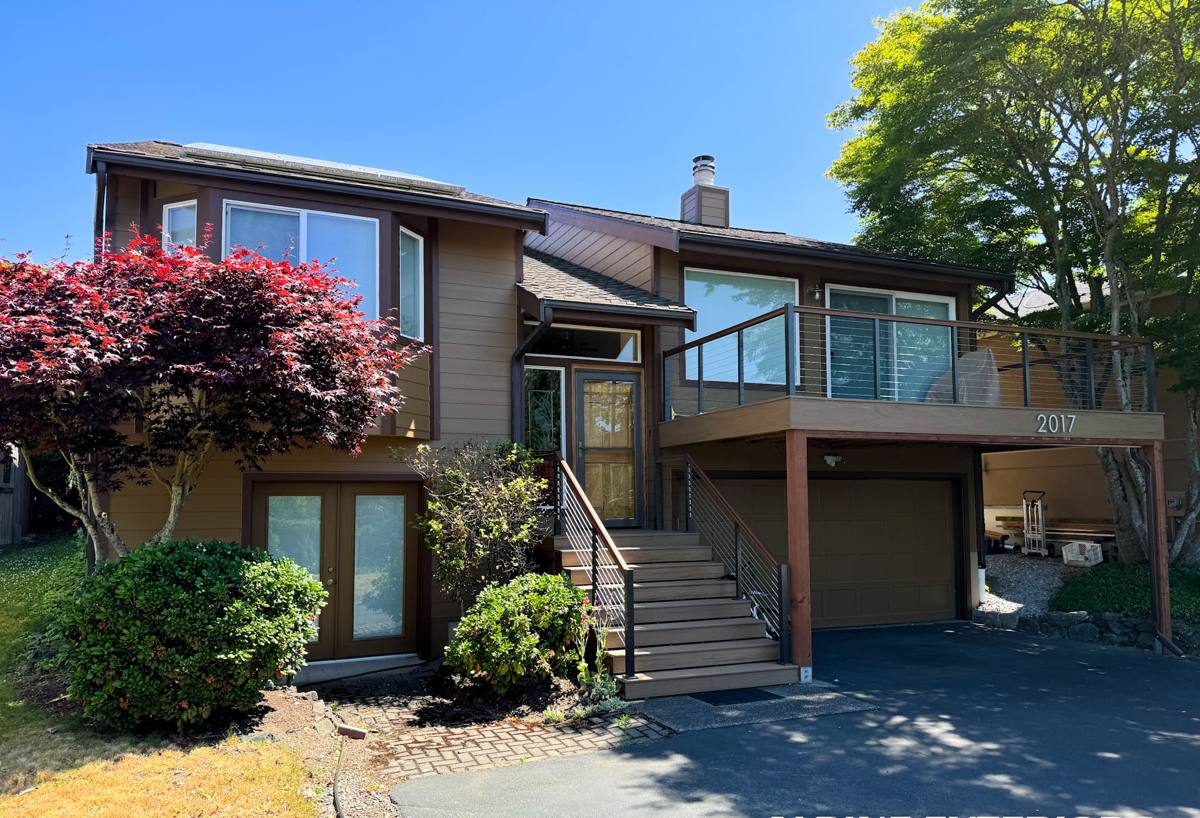
Why Downtown Sarasota Roofs Take a Harder Beating
A few things stack up in this part of the county that shorten the life of a poorly-built roof and make correct installation more important, not less:
- Hurricane-force wind exposure: Sarasota County sits in a high-wind zone, and Downtown's mix of older and newer construction means roof decks and fastening schedules vary a lot from house to house.
- Year-round UV load: Florida sun doesn't take an off-season. Shingle mat and asphalt binders break down faster here than in most of the country, which is why granule loss and brittleness show up earlier than the "rated" shingle lifespan suggests.
- Wind-driven rain: Storms here rarely fall straight down. Rain gets pushed sideways under shingle tabs, into exposed nail heads, and along valleys and flashing edges that weren't sealed correctly the first time.
- Salt air corrosion: Being close to the water means metal components — nails, flashing, vents, drip edge — corrode faster unless the right materials and coatings are used.
None of this means asphalt shingles are a poor choice for Downtown Sarasota. It means the installation details that get skipped on a rushed job are exactly the details that fail first here.
What a Correct Asphalt Shingle Job Actually Involves
Starting With the Deck, Not the Shingles
Every re-roof starts with the roof deck, not the shingle bundle. We pull the old roofing down to the sheathing, inspect for soft spots, delamination, and water staining, and replace any bad plywood before anything new goes down. Installing new shingles over a compromised deck is the single most common shortcut that leads to early failure, and it's invisible once the roof is finished — which is exactly why it matters that the crew doing it has a reason to do it right.
Underlayment as the Real Water Barrier
Shingles shed the majority of water, but the underlayment is what actually keeps a roof watertight when wind drives rain up under the shingle edges — which happens regularly during Gulf Coast storms. We use synthetic or self-adhering underlayment sized to the exposure of the specific roof, with extra attention at valleys, low-slope transitions, and anywhere two roof planes meet.
Fastening for Wind, Not Just for Code Minimum
Florida Building Code sets wind-rated fastening requirements based on the county's wind zone, and Sarasota County's requirements reflect real hurricane exposure. We follow the fastener count, placement, and nail type the shingle manufacturer specifies for high-wind installation — not the minimum that happens to pass a quick inspection. Under-nailing is one of the most common causes of shingle blow-off in Sarasota storms, and it's a decision made in a few seconds per shingle that determines how the roof performs years later.
Flashing and Salt-Air Metal Choices
Flashing around chimneys, walls, skylights, and roof-to-wall transitions is where most leaks actually originate — not in the open field of shingles. In a salt-air environment, we pay closer attention to the metal itself: standard galvanized components corrode faster near the coast, so we favor corrosion-resistant flashing and fasteners suited to the exposure, and we seal transitions with materials rated for sustained UV and moisture rather than a general-purpose sealant.
Choosing the Right Shingle for This Climate
Not every asphalt shingle product is built the same, and the differences matter more here than in a milder climate. We talk homeowners through the real trade-offs rather than upselling the most expensive option by default.
| Factor | Standard 3-Tab | Architectural (Laminate) |
|---|---|---|
| Wind rating | Lower — typically less suited to Sarasota County's wind zone | Higher wind ratings available, better fit for coastal wind exposure |
| UV/heat durability | Thinner mat, tends to show granule loss and brittleness sooner | Heavier mat and dual-layer construction hold up better under sustained sun |
| Upfront cost | Lower material cost | Higher material cost, generally better long-run value in this climate |
| Typical warranty | Shorter manufacturer warranty terms | Longer warranty terms, often with wind-speed-specific coverage |
| Appearance | Flat, uniform look | Dimensional, shadow-line look many homeowners prefer |
For most Downtown Sarasota homes, we lean toward architectural shingles rated for the local wind zone. It's a straightforward cost-versus-durability call: the price difference is modest relative to the total job, and the added wind rating and mat thickness directly address the two things that age roofs fastest here — wind and UV.
How Our Process Works
- Roof assessment: We inspect the existing roof, deck condition, flashing points, ventilation, and any visible storm or age damage, and explain what we find in plain terms.
- Written estimate: You get a clear, itemized estimate — materials, scope of work, and timeline — with no vague allowances buried in the fine print.
- Material selection: We walk through shingle options, colors, and wind ratings appropriate for the home and budget.
- Permitting: We handle the Sarasota County or City of Sarasota permit process, which is required for re-roofing and includes wind-rating compliance review.
- Tear-off and deck inspection: Old roofing comes off, the deck is inspected and repaired as needed, before anything new is installed.
- Installation: Underlayment, flashing, and shingles go on following manufacturer specs for high-wind installation.
- Final walk-through: We review the finished roof with you, confirm cleanup, and go over the warranty paperwork.
Maintenance That Actually Extends a Sarasota Roof's Life
A well-installed roof still needs basic upkeep in this climate. A few things go a long way:
- Clear gutters and downspouts regularly so wind-driven rain has somewhere to go instead of backing up under the eaves.
- After any named storm or significant wind event, do a visual check (or have us do one) for lifted or missing shingles before a small problem becomes a leak.
- Keep overhanging branches trimmed back — falling debris and constant shade both shorten shingle life.
- Check attic ventilation periodically; poor airflow traps heat and moisture, which accelerates shingle aging from underneath.
- Address minor flashing or sealant wear early — in salt air, small gaps don't stay small for long.
Signs a Downtown Sarasota Roof Needs Attention
Homeowners often wait too long to call because early warning signs look minor. Worth a closer look if you notice:
- Granules collecting in gutters or at downspout outlets
- Shingles that look curled, cracked, or lifted at the edges
- Dark streaking or algae growth across the roof surface
- Soft spots or sagging when viewed from the ground or a ladder
- Water stains on interior ceilings, especially after heavy rain
- Visible rust or corrosion on flashing, vents, or exposed fasteners
Why Hiring a Crew That Already Works Downtown Sarasota Matters
Roofing crews unfamiliar with coastal wind zones and salt-air corrosion tend to build to a generic standard — one that might hold up fine in a low-wind inland market but underperforms here. A crew that regularly works Downtown Sarasota already knows the local permitting process, the wind-zone fastening requirements that apply in Sarasota County, and which materials actually hold up against salt air rather than just looking good on installation day. That familiarity shows up in fewer surprises during permitting, fewer callbacks after the first real storm, and a roof that's built for the conditions it actually has to survive rather than the conditions a national spec sheet assumes.
Cost Factors to Understand Before You Get Quotes
Every roof is different, so we won't quote a number without seeing the roof — but these are the main factors that drive cost on a Downtown Sarasota re-roof, so you know what you're comparing when you get estimates:
| Factor | Why It Affects Cost |
|---|---|
| Roof size and pitch | More square footage and steeper pitches mean more material and labor time |
| Deck condition | Rotten or damaged sheathing found during tear-off adds repair cost |
| Shingle grade chosen | 3-tab vs. architectural, and wind rating tier, change material cost per square |
| Number of roof planes/valleys | More complex rooflines require more flashing, cutting, and labor |
| Ventilation upgrades | Adding or improving attic ventilation adds material and labor but extends roof life |
| Permit and inspection fees | Set by Sarasota County/City of Sarasota, required for re-roofing work |
Be cautious of any quote that's dramatically lower than the others — it usually means shortcuts on underlayment, fastening schedule, or flashing work that won't show up until the next big storm.
Questions Worth Asking Before You Hire
- Are you licensed and insured to do roofing work in Sarasota County?
- What wind rating and fastening schedule will you use for this roof?
- Will you inspect and repair the deck as part of the job, or only if it's found later?
- What underlayment and flashing materials do you use, and are they suited for salt-air exposure?
- Who pulls the permit, and is that included in the estimate?
- What does the workmanship warranty cover, separate from the manufacturer's shingle warranty?
If your Downtown Sarasota roof is showing its age, took storm damage, or you just want an honest read on where it stands, we're glad to take a look. Fill out the form below for a free, no-pressure estimate — we'll tell you what we actually see, not just what sells a job.